Archive: 2026/01

Key Medication Safety Terms Patients Should Know and Use
Learn the eight key medication safety terms every patient should know to prevent dangerous errors. Understand right patient, adverse drug events, high-alert meds, and how to use them daily for safer care.

Using Wearables to Track Side Effects: Heart Rate, Sleep, and Activity
Wearables like Apple Watch and Fitbit can detect early signs of medication side effects by tracking heart rate, sleep, and movement. Learn how to use this data safely and when to talk to your doctor.
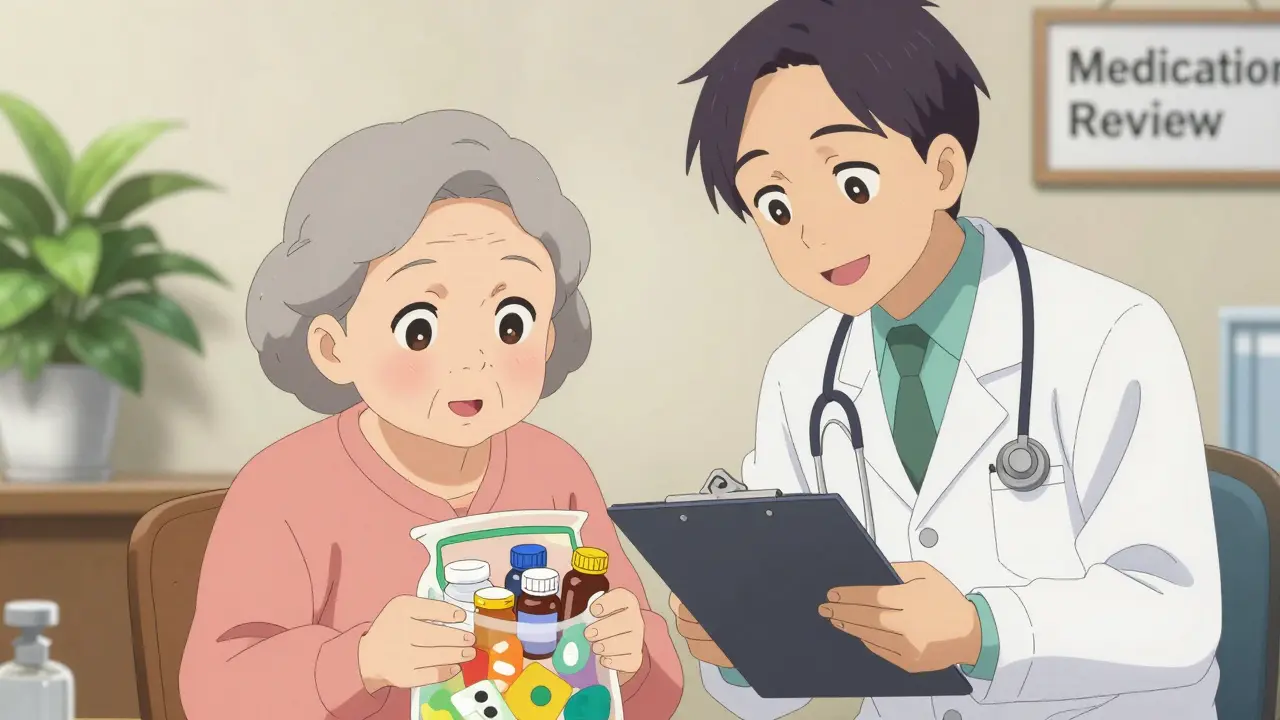
How to Talk to Doctors About Senior Medications for Better Health
Learn how to communicate effectively with healthcare providers about senior medications to prevent dangerous side effects, reduce hospital visits, and ensure safer, smarter drug use for older adults.

Vancomycin and Red Man Syndrome: Understanding and Preventing Infusion Reactions
Vancomycin can cause a flushing reaction if infused too quickly. Learn what it is, how to prevent it, why the old term 'red man syndrome' is outdated, and how to tell it apart from true allergies.
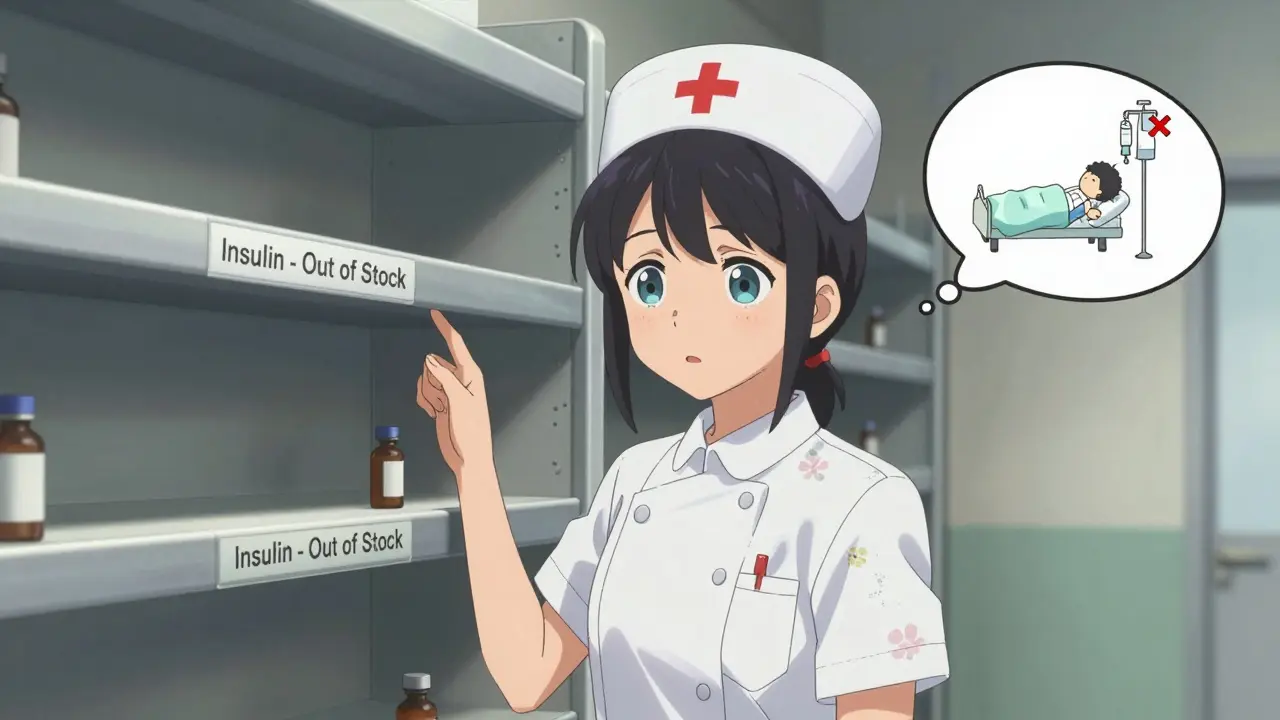
Congressional Bills Aim to Tackle Drug and Healthcare Provider Shortages in 2026
Two congressional bills aim to fix drug and healthcare worker shortages, but both are stuck due to the longest U.S. government shutdown in history. Here's what's in them, why they're stalled, and what it means for patients.
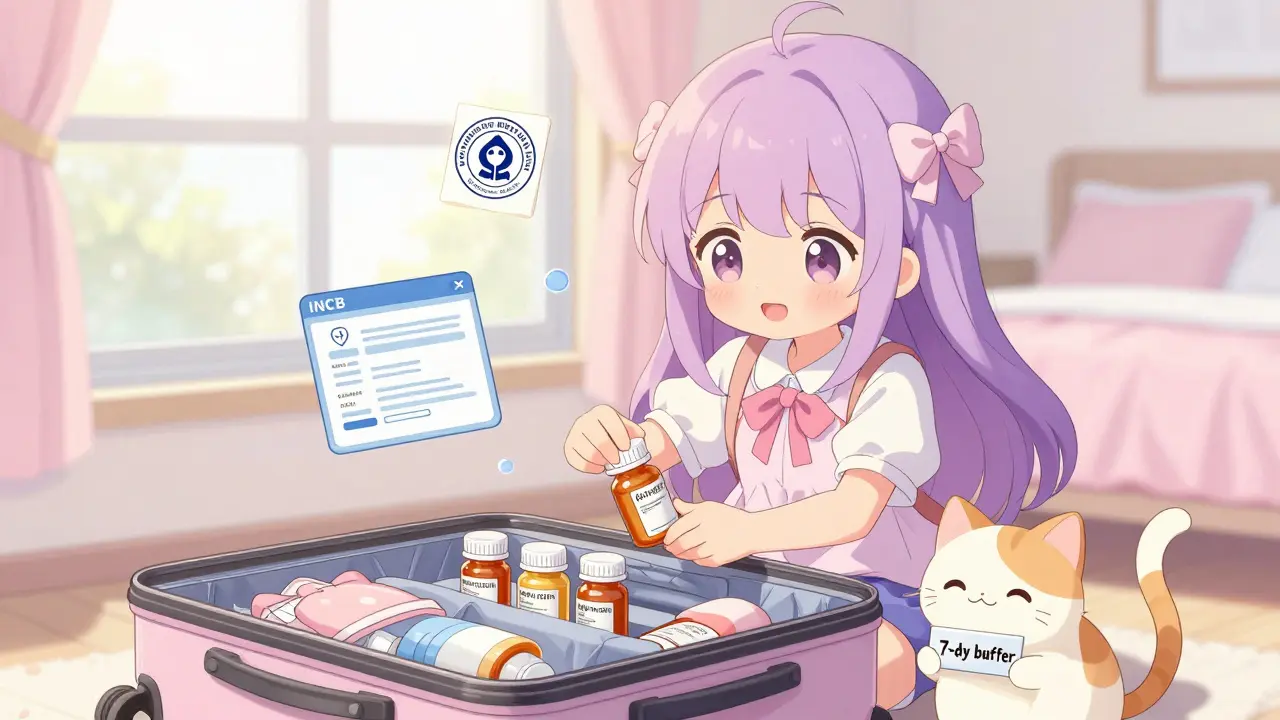
How to Get Enough Medication Before International Travel: A Practical Guide for 2026
Learn how to safely bring your prescription medications overseas without risking legal trouble or medical emergencies. Essential tips for travelers with chronic conditions in 2026.
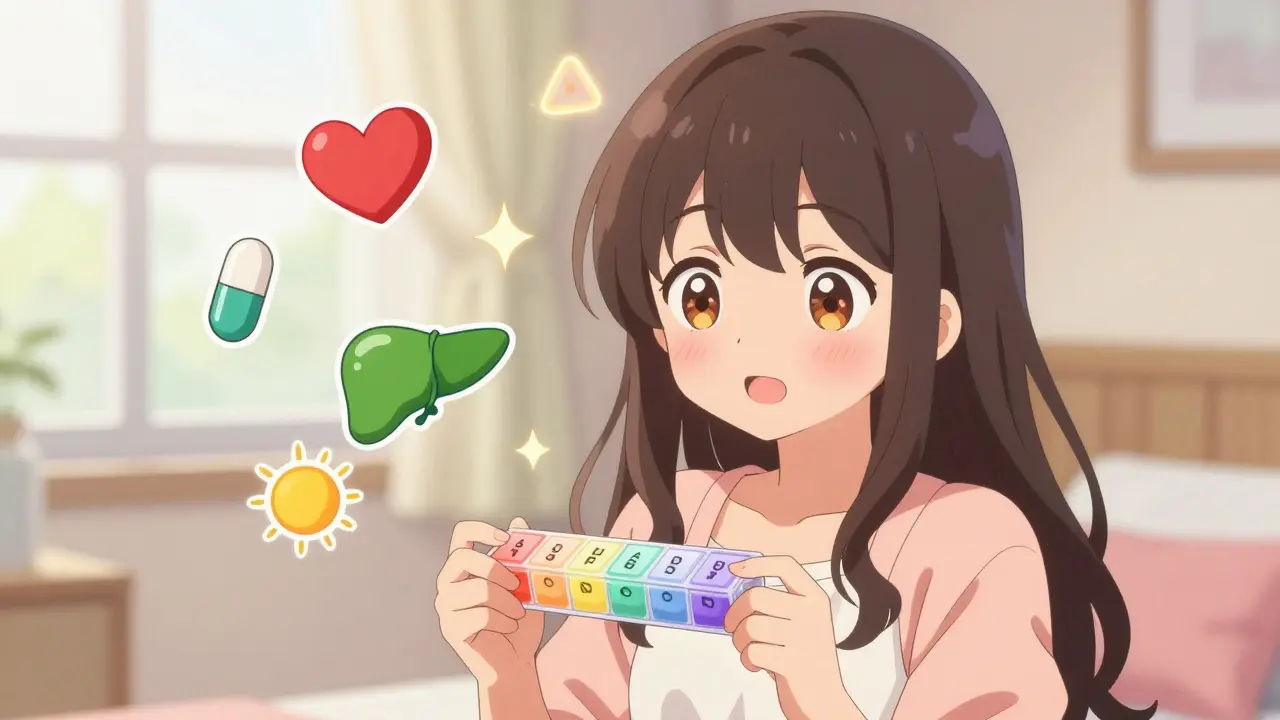
How Drug-Drug Interactions Work: Mechanisms and Effects Explained
Drug-drug interactions can cause serious side effects or treatment failure. Learn how pharmacokinetic and pharmacodynamic mechanisms work, which drugs are most risky, and how to protect yourself from dangerous combinations.

Yoga and Tai Chi for Pain: Gentle Movement That Actually Works
Yoga and tai chi are proven, gentle ways to reduce chronic pain without drugs. Backed by science and used by veterans and clinics, these practices improve movement, sleep, and mental well-being. Find out how to start safely and what works best for your pain.

Cholinergic Urticaria: How Heat-Induced Hives Work and How to Stop Them
Cholinergic urticaria causes itchy heat-induced hives triggered by sweat and rising body temperature. Learn how to identify triggers, use effective treatments, and prevent flare-ups with practical, science-backed strategies.

Bone Turnover Markers: How They Help Track Osteoporosis Treatment Effectiveness
Bone turnover markers like PINP and β-CTX-I offer early insight into how well osteoporosis treatments are working-often within weeks, not years. Learn how these blood tests help track adherence and response to therapy.
Pharmaceutical Prices across Different Countries: A Real-World Comparison
Pharmaceutical prices vary wildly across countries due to different government policies. The U.S. pays more for brand-name drugs but less for generics. Learn how Medicare's new negotiations, international pricing systems, and market forces shape what you pay for medication.

Generic Drugs: What They Are and How They Work
Generic drugs are identical to brand-name medications in active ingredients, safety, and effectiveness, but cost 80-85% less. Learn how they're approved, why they work the same, and when to ask for them.