Archive: 2025/12 - Page 2
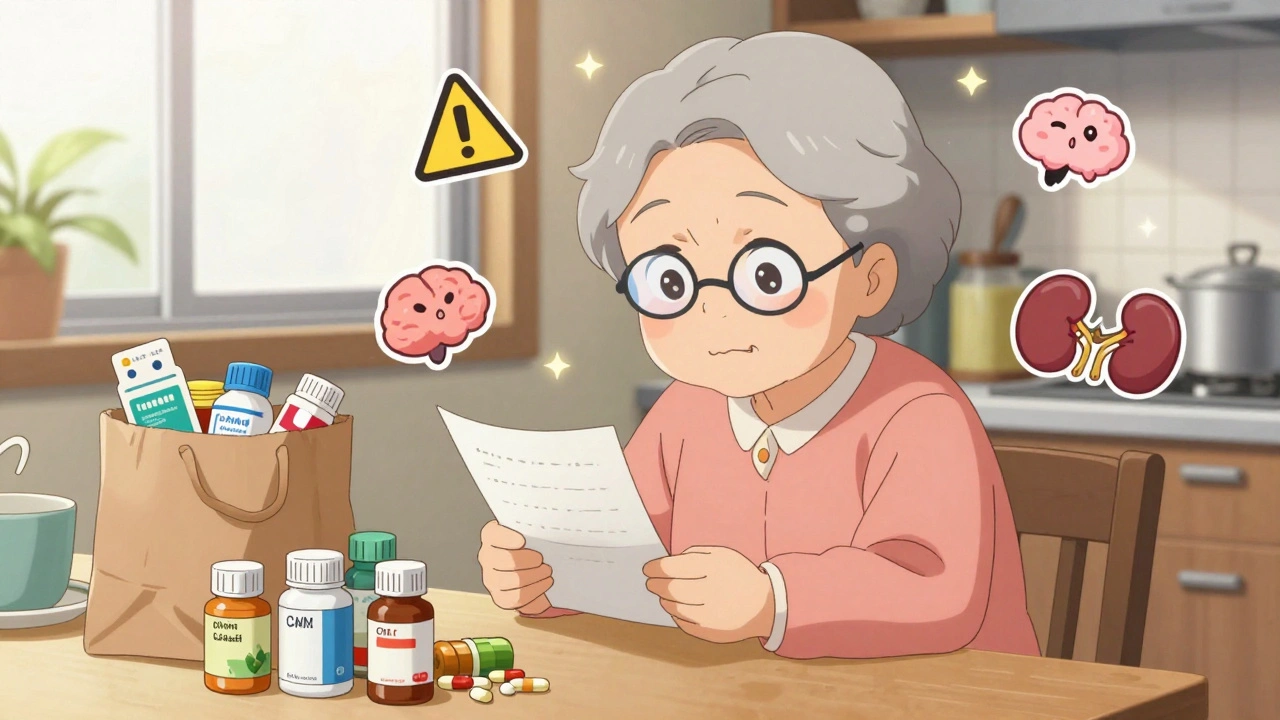
Medications That Are High-Risk for Seniors: What to Review
Many common medications pose serious risks for seniors, including sleep aids, diabetes drugs, and antihistamines. Learn which ones to review, safer alternatives, and how to protect yourself from preventable hospitalizations.

Opioid Withdrawal: How to Safely Taper and Manage Symptoms
Learn how to safely taper off opioids with step-by-step guidance on managing withdrawal symptoms, medication options, and proven strategies for long-term success. Based on CDC guidelines and real patient experiences.
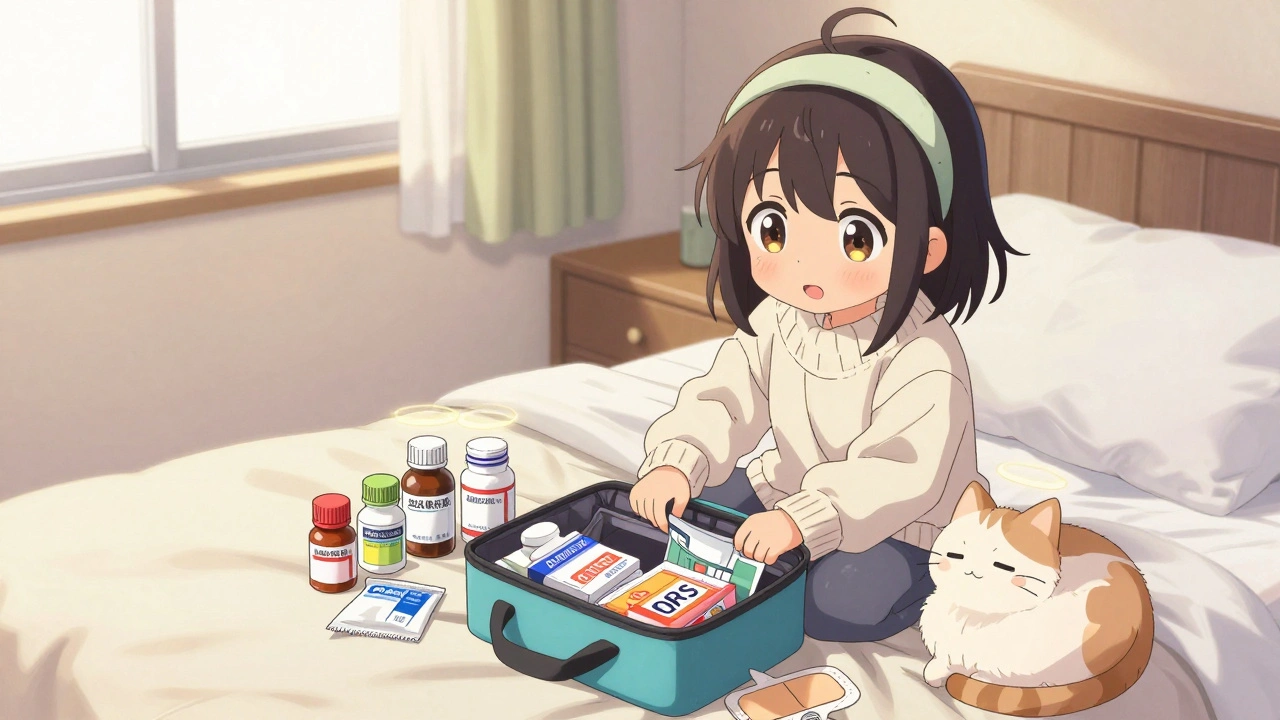
How to Pack a Travel Medication Kit for Common Conditions
Learn how to pack a travel medication kit with essential medicines for diarrhea, pain, allergies, and wounds. Get expert-backed tips for destination-specific needs, legal rules, and smart storage.
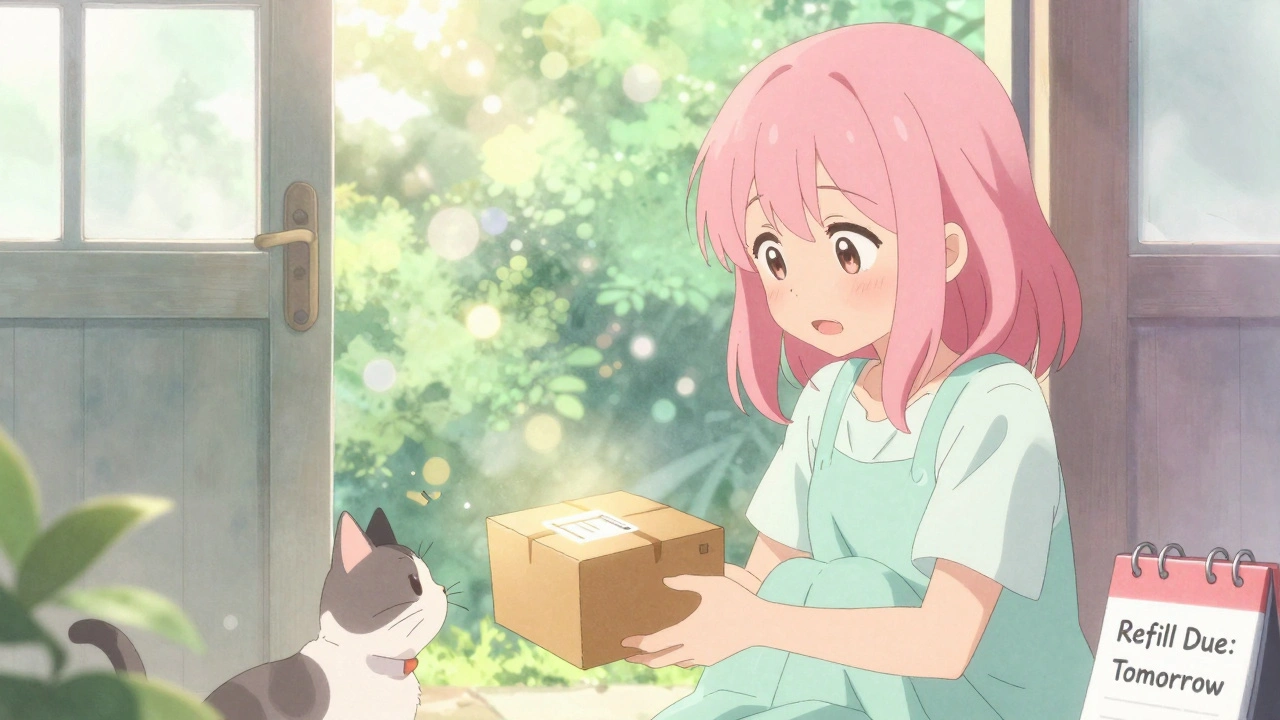
Mail-Order Generics: Benefits and Risks of Home-Delivered Prescription Medications
Mail-order generics offer convenience and cost savings for chronic meds, but risks like temperature damage, delivery delays, and hidden markups can threaten safety. Know when to use them-and when to avoid them.
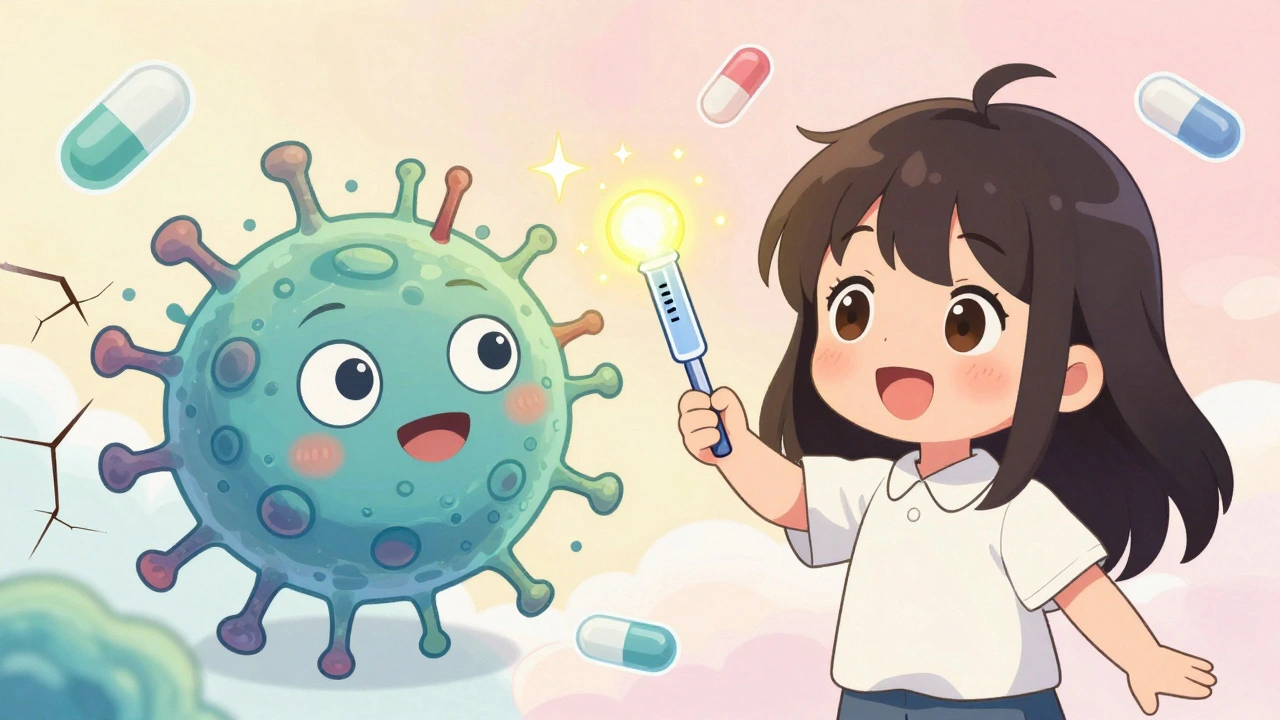
Antibiotics for Bacterial Infections: Classes and How They Work
Antibiotics fight bacterial infections by targeting specific parts of bacterial cells - cell walls, protein factories, or DNA. Learn how different classes like penicillins, tetracyclines, and fluoroquinolones work, why they fail, and how to use them safely.

Tinnitus Retraining Therapy: How Habituation and Sound Therapy Help You Stop Fighting the Ringing
Tinnitus Retraining Therapy (TRT) doesn't silence ringing in the ears - it teaches your brain to stop reacting to it. Learn how habituation and sound therapy work together to restore peace, backed by science and real patient outcomes.
FDA Black Box Warnings: What You Need to Know About the Highest-Risk Prescription Medications
FDA black box warnings are the strongest safety alerts for prescription drugs, signaling risks of death or serious harm. Learn what they mean, how they're decided, and what to do if your medication has one.

FDA-Approved Medications You Can Flush Down the Toilet (And Which Ones You Shouldn’t)
The FDA allows flushing only a short list of high-risk medications to prevent accidental overdose. Learn which drugs you can safely flush, when to do it, and safer alternatives if take-back programs aren't available.
When to Accept vs Address Medication Side Effects: Making Smart Choices
Learn when to tolerate medication side effects and when to act - with clear guidelines from health experts. Avoid common mistakes and make smarter choices with your treatment plan.
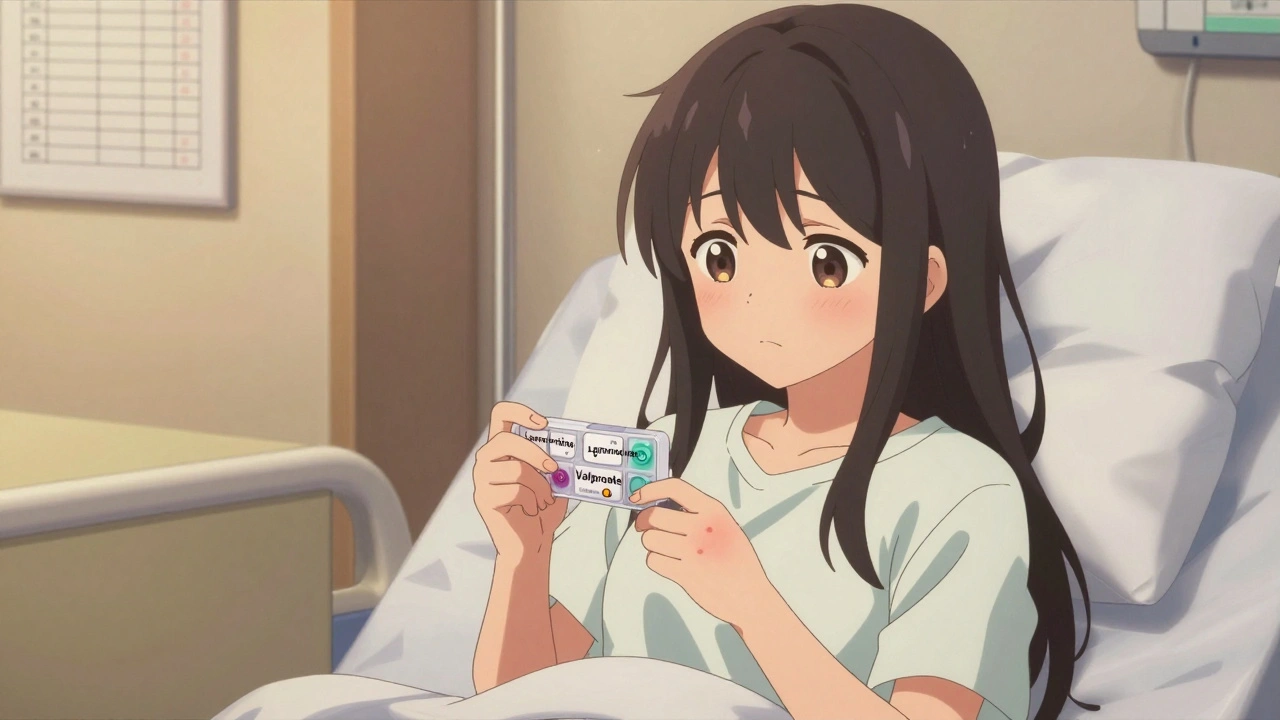
Valproate and Lamotrigine: How to Reduce Rash Risk with Proper Dosing
Lamotrigine and valproate can cause dangerous skin reactions when used together. Learn the exact dosing steps to reduce rash risk by over 90%, what to watch for, and what to do if a rash appears.
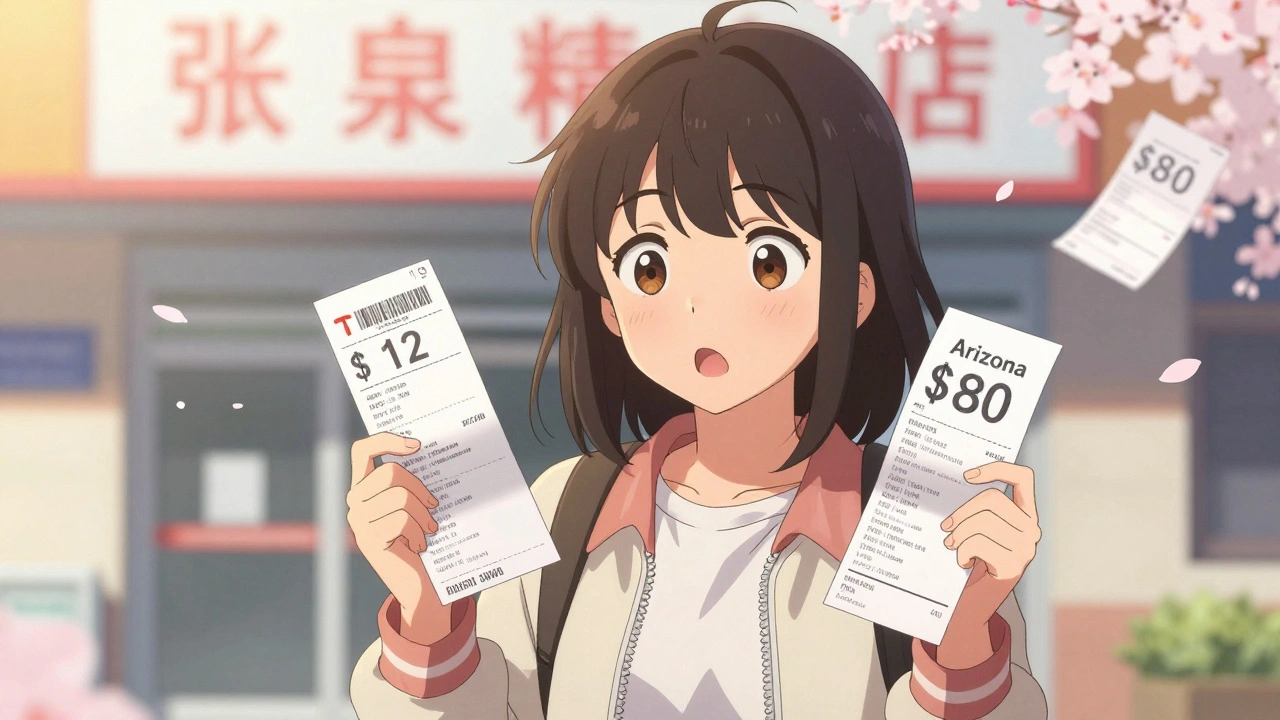
Why Generic Drug Prices Vary So Much Between U.S. States
Generic drug prices vary dramatically across U.S. states due to PBM practices, Medicaid reimbursement rules, and lack of transparency. Paying cash often beats insurance. Here's why-and how to save.
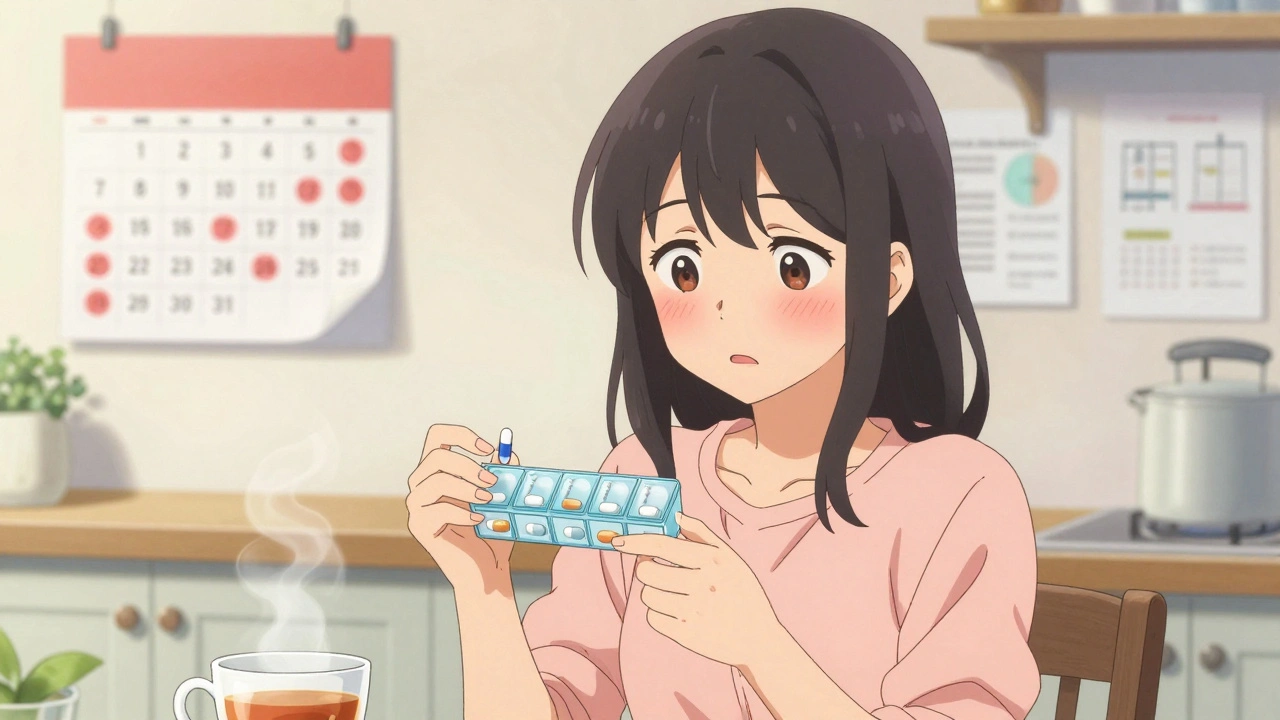
Proton Pump Inhibitors with Antiplatelets: How to Reduce GI Bleed Risk
Proton pump inhibitors can reduce GI bleeding risk by up to 37% in patients on antiplatelet therapy. Learn which PPIs to use, who needs them, and how to avoid dangerous mistakes.