
What if the ringing in your ears doesn’t need to be silenced - just ignored?
For millions of people, tinnitus isn’t just a noise. It’s a constant companion that steals sleep, fuels anxiety, and makes quiet moments unbearable. You’ve tried earplugs, white noise machines, apps, and even supplements. But what if the problem isn’t the sound itself - but your brain’s reaction to it?
Tinnitus Retraining Therapy (TRT) doesn’t try to make the ringing disappear. Instead, it teaches your brain to stop noticing it. And for many, that’s the only thing that truly works.
Developed in the early 1990s by Dr. Pawel Jastreboff, TRT is built on a simple but powerful idea: tinnitus isn’t a disease. It’s a signal your brain has learned to treat like a threat. TRT rewires that response - not with drugs or surgery, but with two proven tools: counseling and sound therapy.
Why most tinnitus treatments fail - and what TRT does differently
Most treatments for tinnitus focus on masking the sound. Earplugs. Noise generators. Meditation apps. They help for a while, but the ringing always comes back. Why? Because they don’t touch the root problem: your brain’s emotional alarm system.
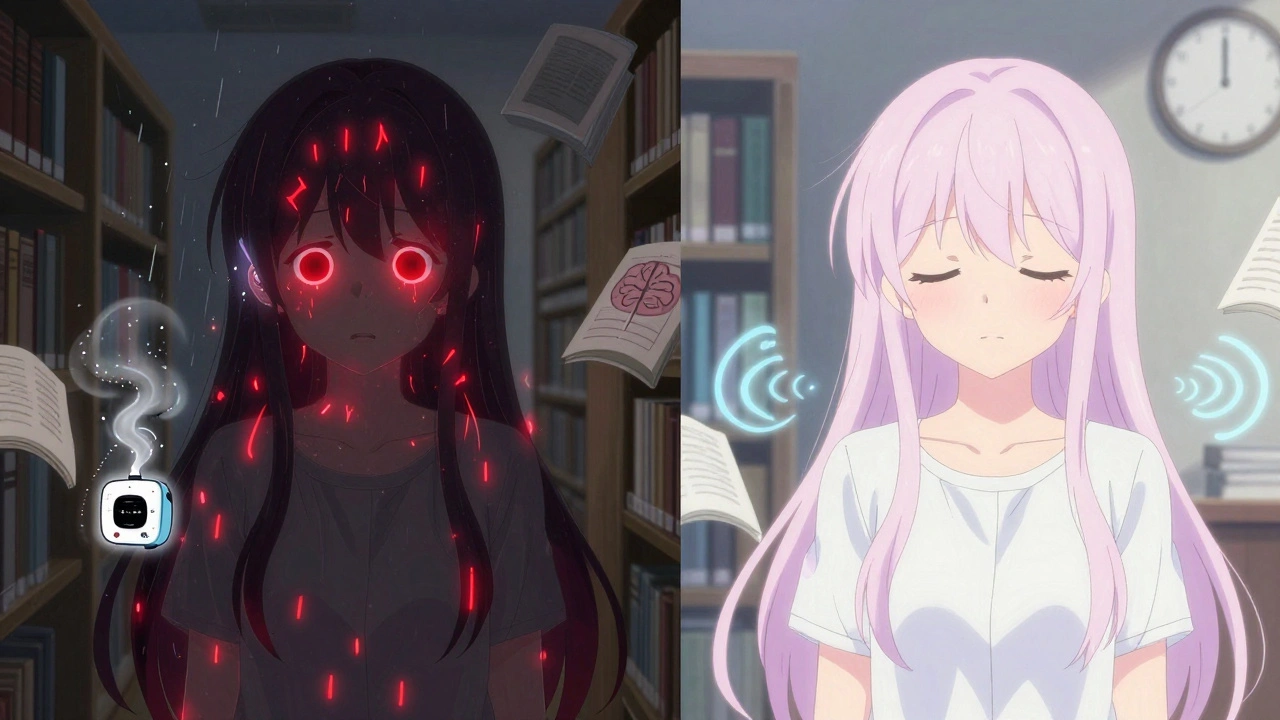
When you first notice tinnitus, your brain goes into overdrive. It scans for danger. It connects the noise to stress, fear, sleep loss. Over time, this becomes automatic. Your limbic system - the part of your brain that handles emotions - starts lighting up every time you hear the ring. That’s why tinnitus feels so loud, so intrusive, even when it’s physically unchanged.
TRT flips this script. Instead of fighting the sound, it teaches your brain that tinnitus is harmless - like the hum of a refrigerator or the ticking of a clock. Once your brain stops seeing it as a threat, your attention shifts away. You don’t hear it as much. Not because it’s gone. Because your brain no longer cares.
This isn’t wishful thinking. Brain scans from 2018 and 2020 show clear changes in tinnitus patients after TRT. The connection between the auditory cortex and the amygdala - the brain’s fear center - weakens. The signal doesn’t vanish. But the emotional punch disappears.
The two pillars of TRT: Counseling and sound therapy
TRT isn’t one thing. It’s two tightly linked parts - and neither works well without the other.
Part 1: Counseling
This isn’t talk therapy. It’s neurophysiology class - but made simple. In 12 to 15 sessions, you learn exactly how tinnitus forms. You’ll see diagrams of the cochlea, the auditory nerve, and how sound travels through your brain. You’ll learn that tinnitus isn’t caused by damaged ears - it’s caused by how your brain interprets signals. You’ll understand why silence makes it worse, and why your body reacts with stress.
The goal? To replace fear with understanding. When you know tinnitus isn’t a sign of brain damage, hearing loss, or a coming disaster, your anxiety drops. And when anxiety drops, your brain stops labeling the sound as dangerous. That’s habituation in action.
Most people need 3 to 6 months of monthly sessions to get there. The counselor doesn’t just explain - they help you reframe your thoughts. Instead of “This noise is ruining my life,” you learn to say, “This is just a signal my brain is misfiring. It’s not harmful.”
Part 2: Sound Therapy
This is where most people get confused. You don’t need loud noise. You don’t need music. You need just enough sound to reduce the contrast between your tinnitus and the background.
Wear small, discreet sound generators - like hearing aids or tiny ear devices - for 6 to 8 hours a day. They play low-level broadband noise, like static or rainfall, set just below the volume of your tinnitus. This isn’t to cover it up. It’s to train your brain to notice less of it.
Think of it like learning to ignore a dripping faucet. At first, every drip screams for attention. But after a few days, you stop hearing it. Sound therapy does the same thing - but for your brain’s internal noise.
There are four groups of patients, each with different sound therapy needs:
- Group 1: Normal hearing, tinnitus only → sound generators only
- Group 2: Hearing loss, no awareness of tinnitus in quiet → hearing aids only
- Group 3: Hearing loss with tinnitus → hearing aids + sound generators
- Group 4: Sensitive to loud sounds (hyperacusis) → customized, gentler protocols
The devices are calibrated precisely. Too loud? It becomes a distraction. Too quiet? It does nothing. A trained audiologist sets this up - and adjusts it over time.

How long does TRT take? And what does success look like?
TRT isn’t a quick fix. It’s a marathon. Most people see real change between 12 and 24 months.
Success isn’t silence. It’s freedom.
People who complete TRT report:
- Being aware of tinnitus only 5-15% of the day (down from 80-100%)
- No longer waking up anxious because of the noise
- Being able to focus at work, read, or sleep without distraction
- Feeling calm when they hear the ring - not panicked
Studies show 75-85% of patients achieve significant improvement when TRT is done correctly. That’s not just “a little better.” That’s life-changing.
One metric used by doctors: the Tinnitus Handicap Inventory. A drop of 20+ points means you’ve moved from “severe impact” to “mild or no impact.” That’s the standard for success.
And here’s the kicker: the brain keeps rewiring even after treatment ends. Habituation sticks.
Why isn’t everyone doing TRT? The hidden barriers
TRT has strong scientific backing. It’s one of only two treatments with a Level A recommendation from the American Academy of Otolaryngology. So why don’t more people try it?
Three big reasons:
- It’s hard to find a certified provider. Only about 500 audiologists in the U.S. are fully trained in Jastreboff’s original TRT protocol. Many clinics offer “TRT-like” programs - but without the full counseling component, success rates drop to 55%.
- It takes time. Monthly appointments for two years. Daily sound therapy. That’s a commitment. About 30-40% of people quit before finishing.
- It’s expensive. In the U.S., TRT costs $2,500-$4,000. Sound generators run $500-$1,200. Insurance rarely covers it.
Some people say the counseling feels “too technical.” Others find the sound generators annoying at first. Reddit users report mixed results: 62% saw major improvement after a year, 28% felt it didn’t help. The difference? Proper implementation. If your provider isn’t certified, your odds drop.
There’s hope, though. In 2021, the Jastreboff Foundation launched a telehealth certification program. More clinics are starting to blend TRT principles into standard care. And a 2023 trial combining TRT with transcranial magnetic stimulation showed 92% improvement at six months - faster than TRT alone.
Who TRT works for - and who it doesn’t
TRT isn’t for everyone. But it’s the best option for people who:
- Have had tinnitus for more than 6 months
- Feel anxious, frustrated, or overwhelmed by the noise
- Have tried masking or relaxation techniques without lasting results
- Are willing to commit to daily sound use and regular appointments
It’s less effective if:
- Your tinnitus is very recent (under 3 months)
- You have severe depression or PTSD that hasn’t been treated
- You’re looking for a quick fix
- You can’t commit to 6-8 hours of sound therapy per day
If you’re unsure, start with a hearing test and a consultation with a certified TRT provider. Many offer free screenings. Don’t assume it’s too late. Even people with 20-year tinnitus have found relief.
What to do next
If you’re tired of fighting your tinnitus, here’s your action plan:
- Find a certified TRT provider. Search the Jastreboff Foundation registry or ask your audiologist if they’re trained in the original protocol.
- Get a full hearing evaluation. Your sound therapy plan depends on your hearing status.
- Ask about the counseling process. Make sure it includes the neurophysiological model - not just “relaxation tips.”
- Start sound therapy. Even before formal TRT begins, use low-level background sound (like a fan or quiet radio) for 4-6 hours a day.
- Be patient. Don’t expect miracles in 3 months. Give it a year.
TRT doesn’t promise silence. But it does promise peace. And for many, that’s worth every hour, every dollar, every moment of effort.
Is TRT the same as using white noise apps or hearing aids?
No. White noise apps or hearing aids alone don’t retrain your brain. TRT combines sound therapy with specialized counseling that teaches you why tinnitus isn’t dangerous. Without the counseling, you’re just masking - not healing. Only certified TRT providers use the full protocol designed by Dr. Jastreboff.
How long until I notice results from TRT?
Most people start noticing changes in 3-6 months - like less anxiety when the ringing occurs. But full habituation - where you barely notice the sound - usually takes 12 to 24 months. This isn’t a quick fix. It’s a rewiring process. Patience is part of the treatment.
Can TRT help if I also have hyperacusis?
Yes. In fact, TRT was originally developed to treat both tinnitus and sound sensitivity. People with hyperacusis are placed in Group 4 and get customized sound therapy - usually with lower intensity and slower progression. The counseling helps them understand that loud sounds aren’t harmful, which reduces the fear response.
Do I need to wear sound generators forever?
No. Once habituation is complete - usually after 12-24 months - most people stop using the devices daily. Some keep them for occasional use in quiet environments, like libraries or bedrooms. But you won’t need them for life. The goal is to retrain your brain so it no longer relies on external sound to stay calm.
Is TRT covered by insurance?
Rarely. Most insurance plans don’t cover TRT counseling or sound generators. Some may cover the hearing evaluation or hearing aids if you have hearing loss. Out-of-pocket costs range from $2,500 to $4,000 total. Some clinics offer payment plans. Check with your provider about financing options.
Can I do TRT online or remotely?
Yes. Since 2021, the Jastreboff Foundation has offered telehealth certification for providers. Many certified audiologists now offer virtual counseling sessions and remote device setup. Sound generators can be mailed to you. The protocol remains the same - just delivered online. Accessibility has improved, but make sure your provider is officially certified.
What if TRT doesn’t work for me?
TRT isn’t the only option. Cognitive Behavioral Therapy (CBT) for tinnitus has similar success rates and is more widely available. Some people combine TRT and CBT. Others find relief with mindfulness or neuromodulation therapies. The key is not giving up. If one method doesn’t click, try another. The goal isn’t perfection - it’s progress.
Desmond Khoo
December 7, 2025 AT 01:48Kyle Oksten
December 7, 2025 AT 02:54Sam Mathew Cheriyan
December 8, 2025 AT 21:24Nancy Carlsen
December 8, 2025 AT 22:23Ted Rosenwasser
December 9, 2025 AT 15:49David Brooks
December 11, 2025 AT 06:12Kyle Flores
December 11, 2025 AT 10:02Ryan Sullivan
December 13, 2025 AT 07:38Wesley Phillips
December 14, 2025 AT 20:07