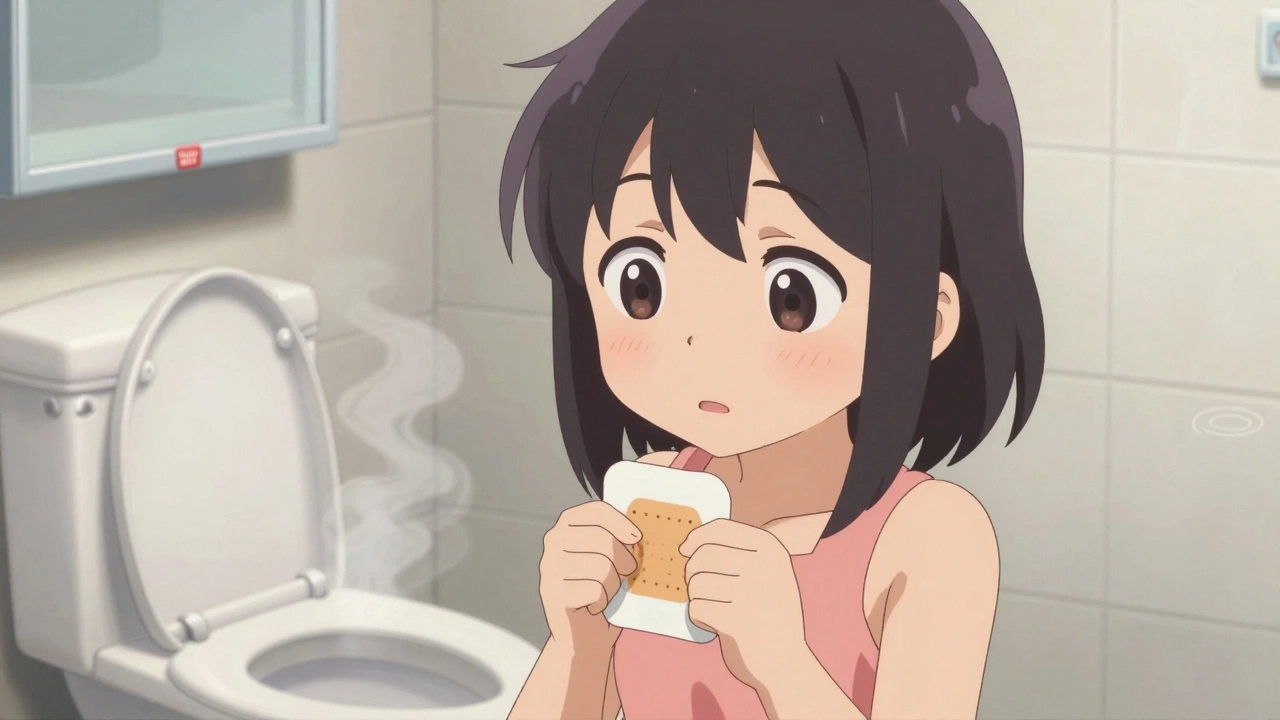
Most people think flushing pills down the toilet is dirty, dangerous, or just plain wrong. And for the most part, they’re right. But there’s a small, critical list of medications the FDA says you should flush - and only if you have no other option. This isn’t about convenience. It’s about saving lives.
Why Flushing Is Usually a Bad Idea
The EPA and FDA agree: flushing medications into the sewer system isn’t ideal. Pharmaceuticals can end up in rivers, lakes, and drinking water. Scientists have found traces of drugs in waterways across the U.S., even at levels too low to affect humans directly. But that’s not the main reason you shouldn’t flush. The bigger problem? People throw unused pills in the trash. Kids find them. Pets chew through bags. Teens raid medicine cabinets. A single pill of fentanyl can kill an adult who’s never used opioids. A child can die from licking a used patch. That’s why the FDA created the Flush List - not to help the environment, but to stop preventable deaths.What’s on the FDA Flush List? (April 2024 Update)
The FDA’s Flush List isn’t long. It’s only 15 active ingredients. And every single one can cause death with just one accidental dose. Here’s what’s included:- Buprenorphine - found in SUBOXONE, BELBUCA, BUTRANS, ZUBSOLV
- Fentanyl - ABSTRAL, ACTIQ, DURAGESIC patches, FENTORA, ONSOLIS
- Hydromorphone - EXALGO extended-release tablets
- Meperidine - DEMEROL
- Methadone - DOLOPHINE, METHADOSE
- Morphine - ARYMO ER, AVINZA, EMBEDA, KADIAN, MORPHABOND ER, MS CONTIN, ORAMPH SR
- Oxymorphone - OPANA, OPANA ER
- Tapentadol - NUCYNTA, NUCYNTA ER
- Sodium oxybate - XYREM, XYWAV
- Diazepam rectal gel - DIASTAT, DIASTAT ACUDIAL
- Methylphenidate transdermal system - DAYTRANA
That’s it. No antidepressants. No blood pressure pills. No antibiotics. Only drugs that can kill quickly if someone else takes them. The FDA didn’t pick these randomly. They reviewed over 200 cases of accidental overdose from 2010 to 2022 - 9 of them were children who found fentanyl patches in the trash.
When Should You Flush?
You should only flush if:- Your medication is on the FDA Flush List
- You can’t get to a drug take-back program
- You’re worried someone - a child, pet, or visitor - might find it in the trash
Step one: Check your pill bottle. Look for the active ingredient. If it’s not on the list above, don’t flush. Step two: Try to find a take-back location. The DEA runs National Take Back Days twice a year - in April and October. But you don’t have to wait. Go to DEA’s website and search for year-round collection sites near you. Pharmacies, hospitals, and police stations often have drop boxes.
If you live in a rural area and the nearest drop-off is 40 miles away? That’s when flushing becomes the safest choice. The FDA knows this. That’s why they made the list.
How to Flush Correctly
Flushing isn’t just about dropping a pill in the toilet. Do it wrong, and you risk exposure - or contamination.- For pills or liquids: Take the medication out of the original bottle. Don’t crush or dissolve it. Just drop it straight into the toilet and flush.
- For fentanyl patches: Fold the patch in half, sticky side to sticky side. This traps the remaining drug inside. Then flush. Never throw a used patch in the trash - even if you think it’s empty. Residual fentanyl can still kill.
- For transdermal systems like DAYTRANA: Same rule. Fold it up, sticky sides together. Flush.
After flushing, remove any personal info from the empty packaging - name, prescription number, dosage - before tossing it in the trash. This protects your privacy.
What If You Can’t Flush and Can’t Take It Back?
If your medication isn’t on the Flush List, and you can’t get to a take-back site, here’s what to do:- Take the pills out of their original container.
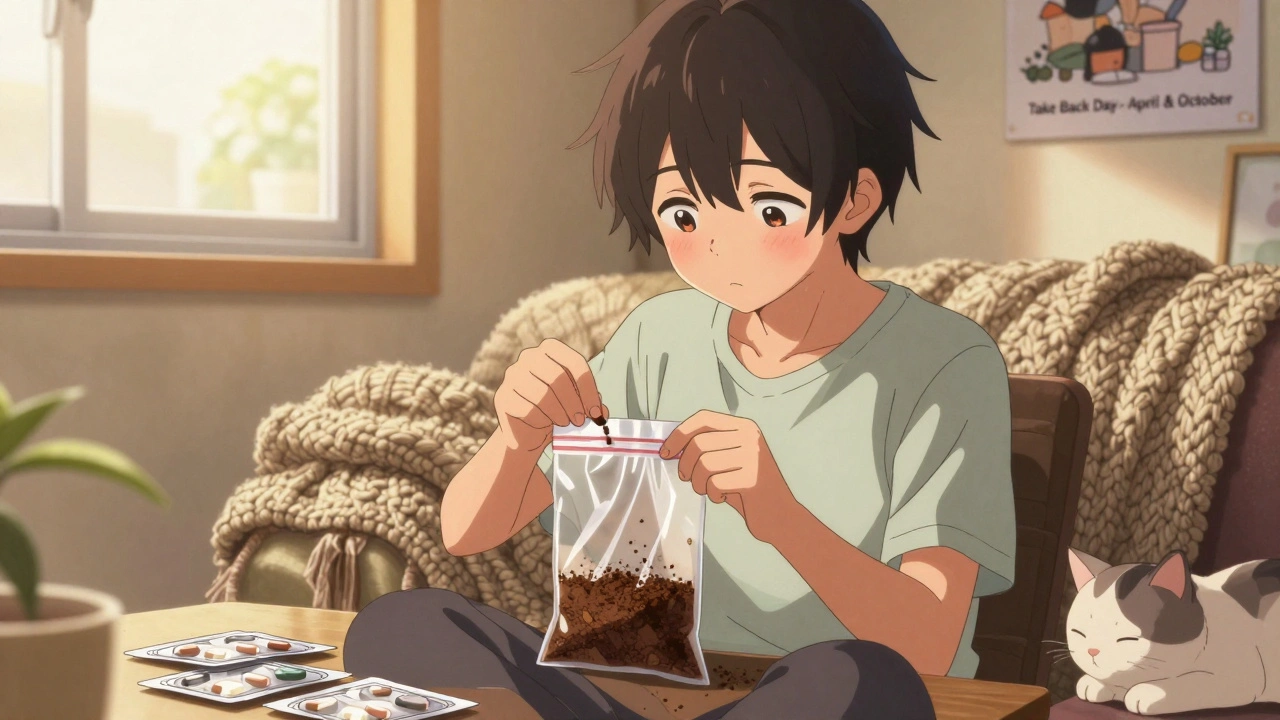
- Mix them with something unappetizing - used coffee grounds, cat litter, or dirt.
- Put the mixture in a sealed plastic bag or container.
- Throw it in the trash.
This makes it unappealing and unusable. A child won’t dig through coffee grounds. A pet won’t eat kitty litter mixed with pills. It’s not perfect, but it’s safer than leaving pills in a drawer or tossing them in the trash unaltered.
Why the FDA Keeps the List So Short
The FDA could have made this list longer. They could have said, “Flush everything.” But they didn’t. Why? Because they’re balancing two risks: human death and environmental harm. In 2021, the FDA reviewed 15 drugs on the list and removed 11 because newer versions had abuse-deterrent features - like pills that turn to gel when crushed, making them harder to snort or inject. That meant the risk of accidental overdose dropped. So those drugs were taken off the Flush List. Now, they’re looking at adding new transdermal formulations after 17 cases of accidental buprenorphine exposure in 2023. The list isn’t static. It’s updated based on real-world data. That’s why you should always check the FDA’s website before flushing.What About Pharmacies and Hospitals?
Hospitals, nursing homes, and pharmacies are not allowed to flush medications - even if they’re on the Flush List. The EPA bans it. They have to use licensed hazardous waste disposal services. That’s because their volume is huge. A single hospital can generate hundreds of pounds of pharmaceutical waste a year. Flushing that would overwhelm water systems. This is why take-back programs matter. They’re the only legal, safe way for institutions to dispose of unused drugs. And that’s why the Bipartisan Infrastructure Law in 2021 gave $15 million to expand drop-off locations. Since then, the number of registered collection sites has jumped 37%.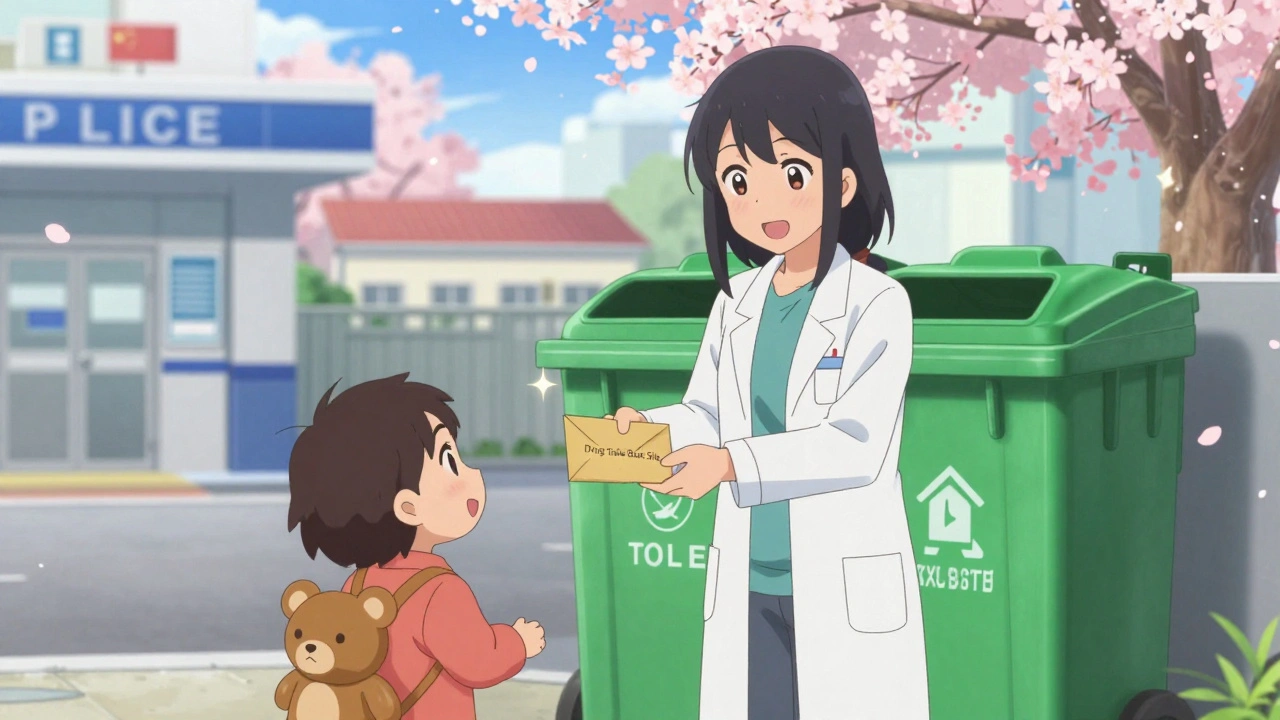
Real Stories Behind the Numbers
In January 2024, a Reddit user named u/MedSafetyTech posted about finding a used fentanyl patch stuck to a playground slide. “It was still sticky,” they wrote. “I picked it up with gloves and turned it in to the police. That patch could’ve killed a toddler.” The FDA documented 217 accidental exposures to fentanyl patches between 2010 and 2022. Nine of those were fatal. All happened because someone threw the patch in the trash instead of flushing it or taking it to a drop-off. A 2023 survey by the National Community Pharmacists Association found that 42% of Americans admit to flushing medications not on the FDA list. That’s not just unsafe - it’s illegal under EPA rules. And it puts others at risk.What’s Changing in 2025?
The FDA is reviewing three medications on the current list - buprenorphine, oxymorphone, and methadone - to see if newer, safer formulations mean they can be removed. If approved, those drugs might no longer need to be flushed. But until then, treat them like explosives. Also, new prescription labels will soon include standardized disposal instructions. Right now, some say “flush,” some say “take back,” some say nothing. Starting in 2025, all controlled substance labels will have clear, consistent language. That should cut down on confusion.Final Rule: When in Doubt, Don’t Flush
The FDA’s message is simple: Take back is always better. Flushing is the last resort. Only for the most dangerous drugs. Only when you have no other choice. If you’re unsure whether your medication is on the list, go to the FDA’s website and search “Drug Disposal: Flush List.” Print it out. Keep it with your medicine cabinet. Or better yet - find your nearest take-back location now. Save yourself the stress later.One pill can kill. But one smart decision can save a life.
Can I flush any unused medication down the toilet?
No. Only medications on the FDA’s official Flush List should be flushed - and only if you can’t access a drug take-back program. Flushing other medications is unsafe and violates EPA guidelines. Most drugs should be mixed with coffee grounds or cat litter and thrown in the trash.
What if I can’t find a drug take-back location near me?
Check the DEA’s website for year-round collection sites - they’re at pharmacies, hospitals, and police stations. If you live in a rural area with no nearby drop-off, and your medication is on the FDA Flush List, flushing is the safest option. For non-listed drugs, mix them with an unappetizing substance like used coffee grounds or kitty litter, seal them in a plastic bag, and throw them in the trash.
Why are fentanyl patches specifically mentioned?
Fentanyl patches contain enough drug to kill multiple adults - even after being used. If thrown in the trash, they can be found by children or pets. The FDA recommends folding them in half, sticky side to sticky side, before flushing to trap any remaining medication. Never throw them away unfolded.
Does flushing medications harm the environment?
Yes, but the FDA determined that for these specific drugs, the risk of accidental overdose and death outweighs environmental concerns. Studies show detectable levels of these medications in waterways, but at concentrations far below therapeutic doses. The FDA continues to monitor this and updates the list as safer alternatives become available.
Are there any new drugs being added to the Flush List?
In early 2024, the FDA began reviewing new transdermal formulations after 17 cases of accidental buprenorphine exposure in children. While no new drugs have been added yet, the list is actively updated based on real-world data. Always check the FDA’s website for the latest version.
Can I flush expired medications?
Expiration date doesn’t matter. Only the active ingredient does. If your expired medication is on the FDA Flush List, flush it if no take-back option exists. If it’s not on the list, dispose of it by mixing with coffee grounds or kitty litter and throwing it in the trash.
Is it legal to flush medications in my state?
Some local governments prohibit flushing, but federal FDA guidelines override state or city rules when it comes to public safety. If your medication is on the FDA Flush List and you have no take-back option, flushing is legally permitted under federal guidance. Always check your local regulations first, but prioritize preventing accidental overdose.
aditya dixit
December 4, 2025 AT 16:09It's wild how we treat medicine like it's either a poison or a miracle, but never just a tool. The FDA's list isn't about convenience-it's about recognizing that some drugs are literally lethal in tiny doses. We don't flush aspirin because it won't kill a kid in five minutes. We flush fentanyl patches because they will. That’s not fearmongering. That’s basic harm reduction.
And honestly? The fact that we even need a list like this says something about how broken our system is. People hoard meds because they’re expensive. Kids find them because they’re left out. Pets get into them because we’re lazy. The real fix isn’t flushing-it’s better access, better education, and better packaging. But until then? Flushing saves lives.
Lynette Myles
December 6, 2025 AT 08:21They’re lying. This is all a cover for Big Pharma to get rid of stock without paying for proper disposal. The EPA knows this. The water tests are rigged. They want you to flush so they don’t have to pay for incineration. You think they care about kids? They care about profit.
Jimmy Jude
December 8, 2025 AT 02:50Let me just say this: we live in a society where a child can die from a sticky patch on a playground slide, but we still can’t agree on whether to flush a pill. We’ve normalized danger. We’ve turned public safety into a debate. And now we’re pretending that folding a patch in half is some kind of moral victory.
It’s not. It’s a symptom. The real tragedy isn’t the flushing-it’s that we need this list at all. We’ve failed our children. We’ve failed our elders. We’ve failed the people who just need pain relief without becoming a hazard to their own families. This isn’t policy. This is damage control with a smiley face.
Chris Brown
December 8, 2025 AT 20:29It is regrettable that the federal government has deemed it acceptable to introduce pharmaceutical contaminants into the nation’s water supply under the guise of public safety. While the intention may be noble, the precedent is dangerous. If we begin compromising environmental integrity for perceived immediate benefit, where does the line end? Next, will we flush antibiotics to prevent bacterial resistance? Or antidepressants to reduce suicide rates? The slippery slope is real, and the cost is borne by future generations.
Carole Nkosi
December 9, 2025 AT 01:37You people are so naive. You think the FDA gives a damn about your kid? They’re just trying to offload liability. They knew fentanyl patches were dangerous. They let them be sold for years. Now they tell you to flush them like it’s your fault for not knowing? No. It’s their fault. And they’ll keep changing the rules until you stop asking questions. Don’t be fooled by their ‘safety’ talk. This is control.
Mellissa Landrum
December 10, 2025 AT 04:47lol so now we gotta flush our meds? next they’ll tell us to pee in the toilet after taking tylenol. what a joke. my grandma used to save her pills for next year when she ran out. now we got a whole fentanyl panic. they just wanna make us paranoid so we buy more stuff. #bigpharma
Mark Curry
December 10, 2025 AT 06:39Good info. I didn’t know about the folding trick for patches. That’s actually smart. I’ll start doing that. Also, found a take-back at my local pharmacy last week-super easy. No lines, just drop it in a box. Took 30 seconds. I think more people should just do that when they can. Less stress, safer world. :)
an mo
December 11, 2025 AT 22:49Let’s not conflate risk mitigation with systemic failure. The FDA’s Flush List is a symptom of an opioid crisis that was exacerbated by regulatory capture, aggressive marketing, and the dismantling of pain management protocols in the 90s. The environmental impact is negligible compared to the mortality rate from accidental ingestion. The real issue isn’t disposal-it’s the fact that 80% of these drugs were prescribed inappropriately in the first place. We’re treating the wound while ignoring the bullet.
Lucy Kavanagh
December 13, 2025 AT 16:12Okay but… what if I’m in the UK and I have a patch? Can I flush it here? I read somewhere that the NHS says no, but the FDA says yes. Who do I listen to? I don’t want to be the person whose kid dies because I followed the wrong country’s advice. 😅
Stephanie Fiero
December 14, 2025 AT 23:19i just flushed my dad’s old methadone after he passed. no take back near us. felt weird but also like… i had to. i didnt want some kid finding it. i hope i did the right thing. 😔