Tag: generic drugs

Keeping a Medication Journal: Tracking Your Response to Generics
Tracking your response to generic medications with a simple journal can reveal hidden side effects and therapeutic changes. Learn what to record, why it matters, and how to use it to protect your health.
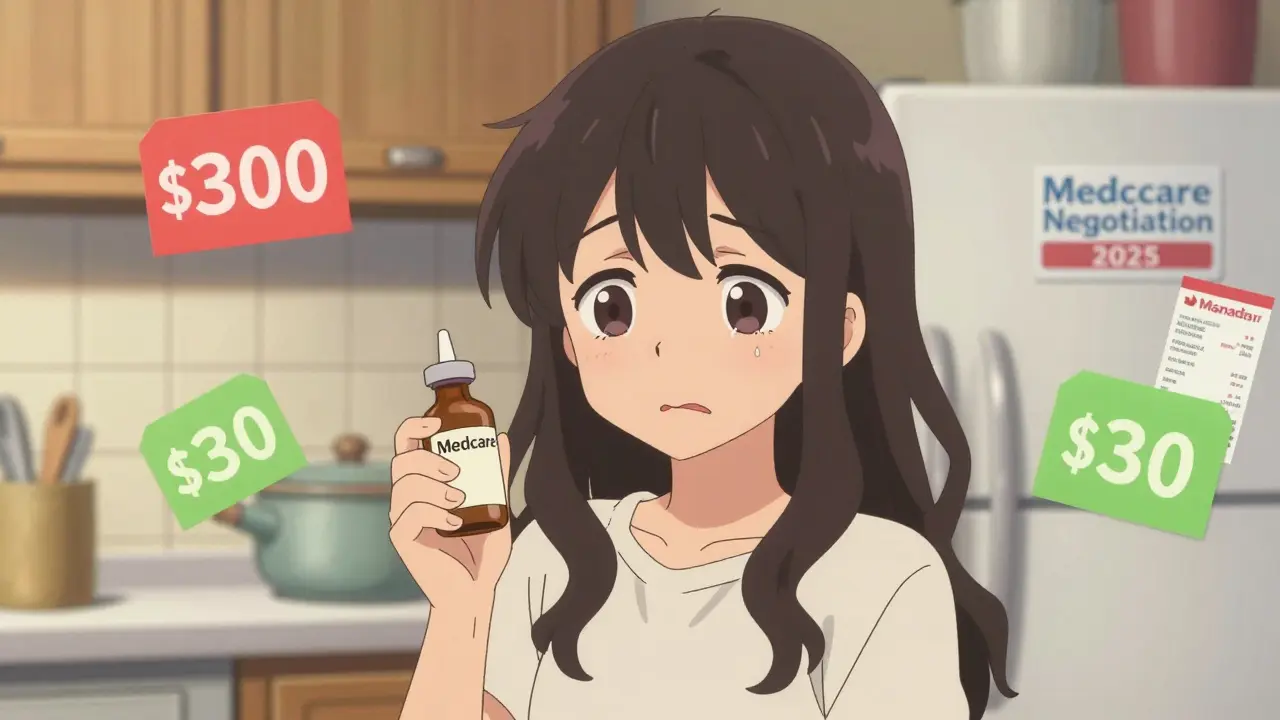
Pharmaceutical Prices across Different Countries: A Real-World Comparison
Pharmaceutical prices vary wildly across countries due to different government policies. The U.S. pays more for brand-name drugs but less for generics. Learn how Medicare's new negotiations, international pricing systems, and market forces shape what you pay for medication.
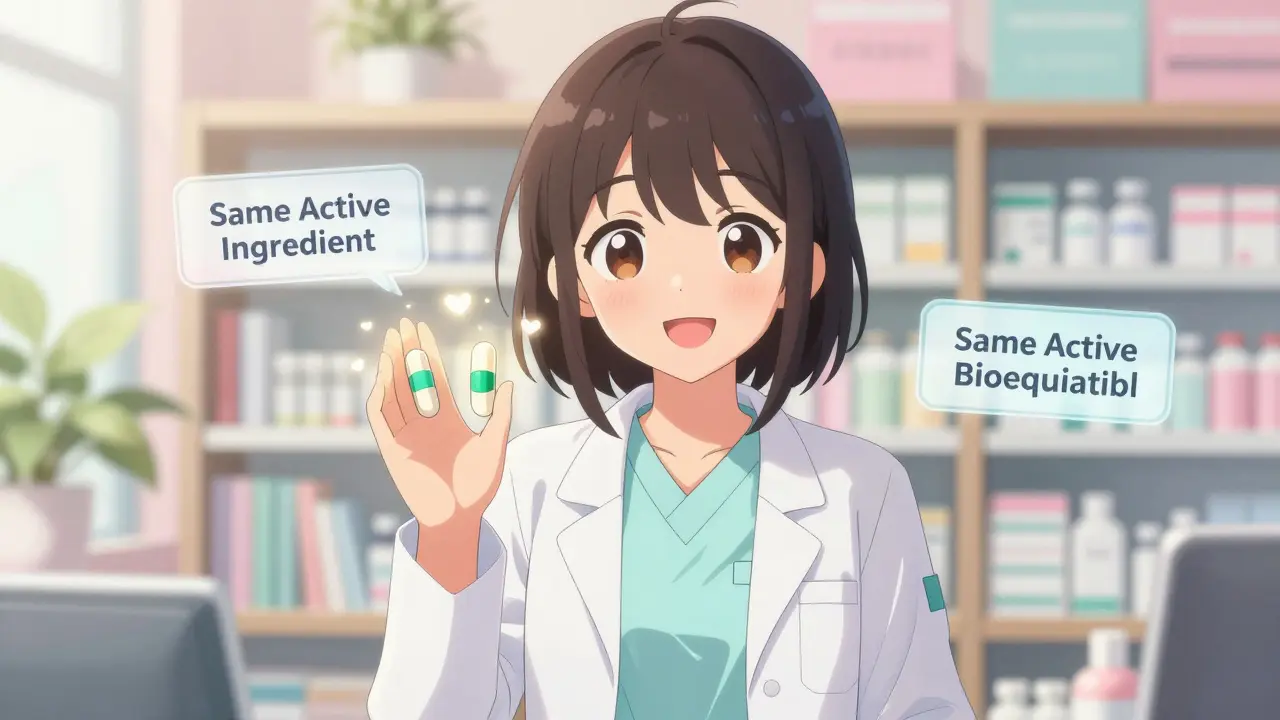
Generic Drugs: What They Are and How They Work
Generic drugs are identical to brand-name medications in active ingredients, safety, and effectiveness, but cost 80-85% less. Learn how they're approved, why they work the same, and when to ask for them.
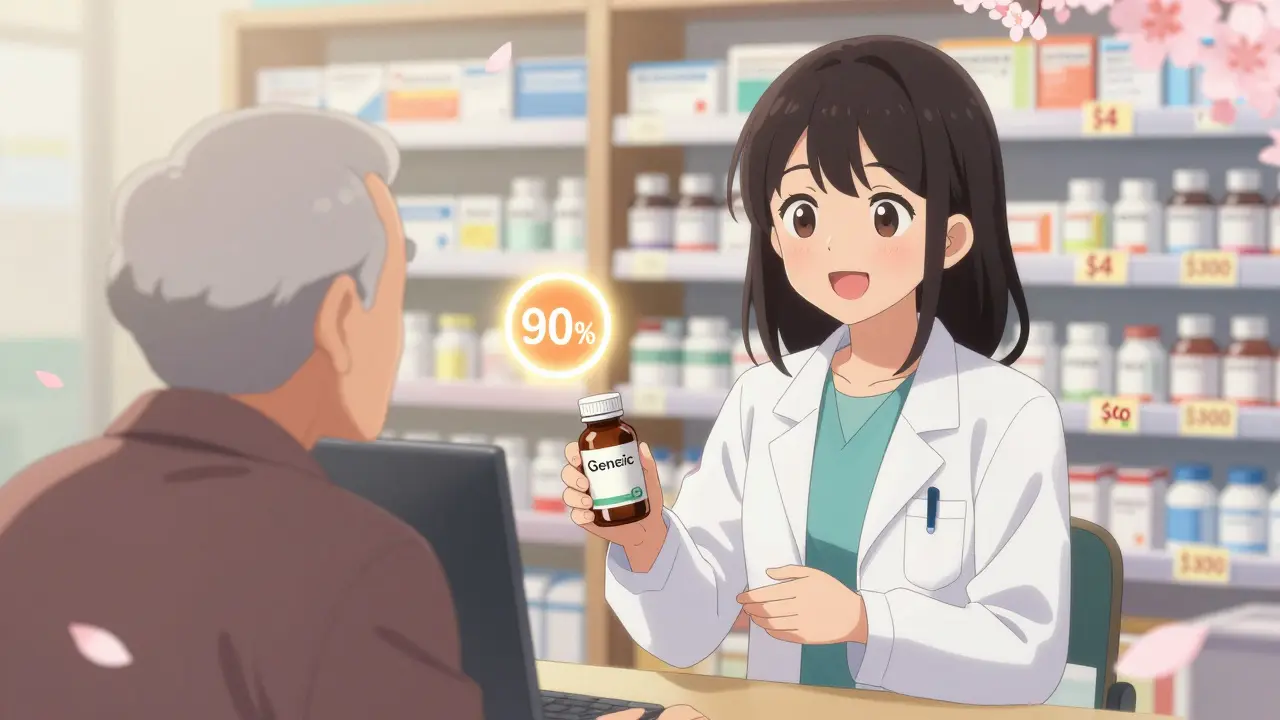
Hatch-Waxman Act: How It Shaped Generic Drug Access in the U.S.
The Hatch-Waxman Act created the modern system for generic drug approval in the U.S., balancing innovation incentives with affordable access. It slashed drug costs by 80%+ and now drives 90% of prescriptions.
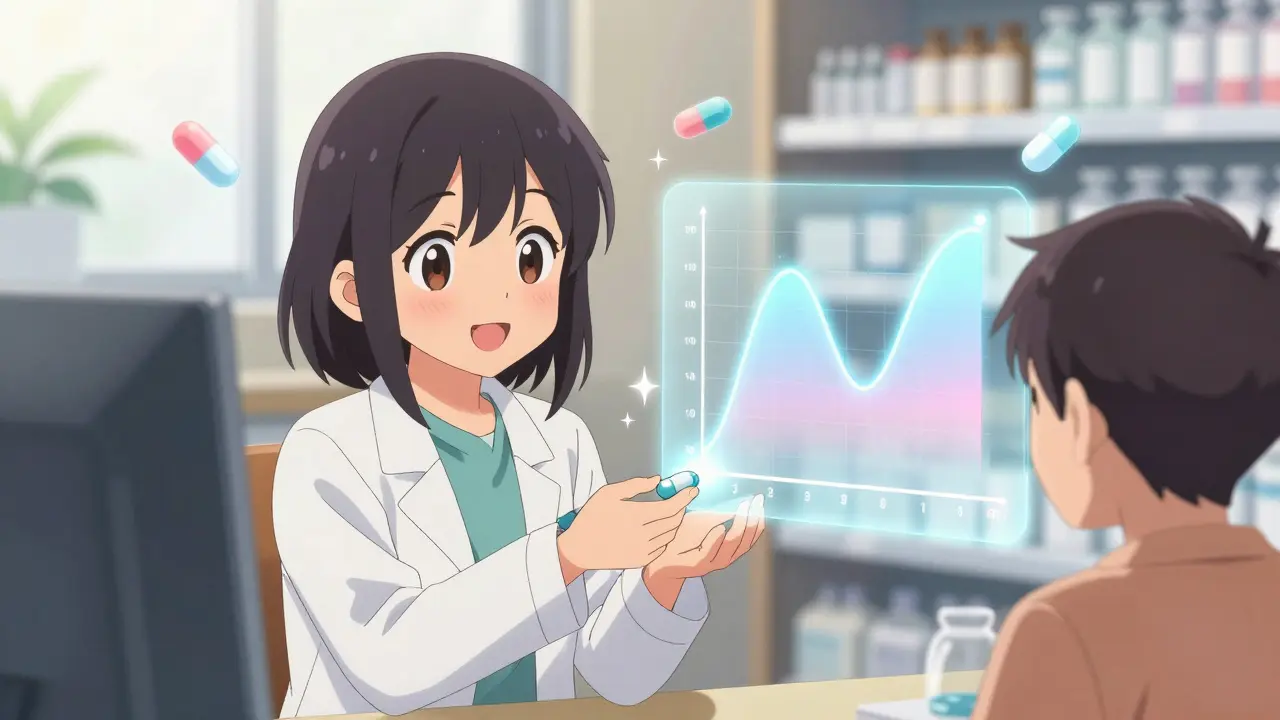
How to Compare Dissolution Profiles and What They Mean for Generic and Brand Drugs
Dissolution profiles determine if generic drugs work like brand names. Learn how regulators use f2 similarity factors, biowaivers, and advanced testing to ensure safety and equivalence without human trials.
How the FDA Ensures Generic Drugs Work the Same as Brands
The FDA ensures generic drugs work just like brand-name versions through strict bioequivalence testing, identical active ingredients, and the same manufacturing standards. Over 90% of U.S. prescriptions are filled with generics that save billions annually.
Placebo Effect with Generics: Why Perception Shapes Medication Outcomes
Why do some people feel generic medications don’t work as well as brand-name drugs-even when they’re chemically identical? The answer lies in perception, not chemistry. Learn how expectations shape real health outcomes.