
Living with allergies is tough enough, but when they trigger sinusitis is inflammation of the paranasal sinuses that often persists due to ongoing allergic reactions, it can feel like a never-ending cycle. You clear your nose, take an antihistamine, and two days later, the pressure is back. For many people, this isn't just a nuisance; it's a complex medical issue where treating one part without the other leads to quick relapses. The key to breaking this cycle lies in understanding how your immune system drives the inflammation and knowing exactly when home remedies stop working and a specialist becomes necessary.
Key Takeaways
- Nasal corticosteroids are the most effective first-line treatment for allergy-driven sinusitis, outperforming oral antihistamines significantly.
- Antibiotics alone have low success rates (35-45%) in allergic cases compared to bacterial-only sinusitis, so they shouldn't be the sole strategy.
- Allergen avoidance and environmental control can reduce symptom frequency by up to 60%, making them as important as medication.
- Referral to an ENT or allergist is critical if symptoms persist after 4-6 weeks of proper medical therapy or if nasal polyps are present.
- New biologic therapies offer hope for severe cases but come with significant cost considerations and specific eligibility criteria.
Why Allergies Make Sinusitis Stickier
Unlike a standard cold, which usually clears up in a week, allergy-related sinusitis is driven by a continuous immune response. When you inhale pollen, dust mites, or pet dander, your body releases histamines and other inflammatory markers. This causes the lining of your nasal passages and sinuses to swell and produce excess mucus. In a non-allergic person, this swelling might subside once the virus dies. But for an allergy sufferer, the trigger is still there. Every time you breathe in that allergen, the inflammation reignites.
This creates a bidirectional relationship: the allergy causes the sinusitis, and the chronic inflammation makes the nasal tissues more sensitive to future allergic attacks. According to data from the American Academy of Allergy, Asthma & Immunology (AAAAI), allergic rhinitis precedes the development of chronic sinusitis in 65-75% of cases. This means that if you don't address the underlying allergy, you're essentially fighting a fire while pouring gasoline on it. The goal of treatment is twofold: calm the immediate sinus inflammation and reduce the long-term allergic sensitivity.
First-Line Treatments That Actually Work
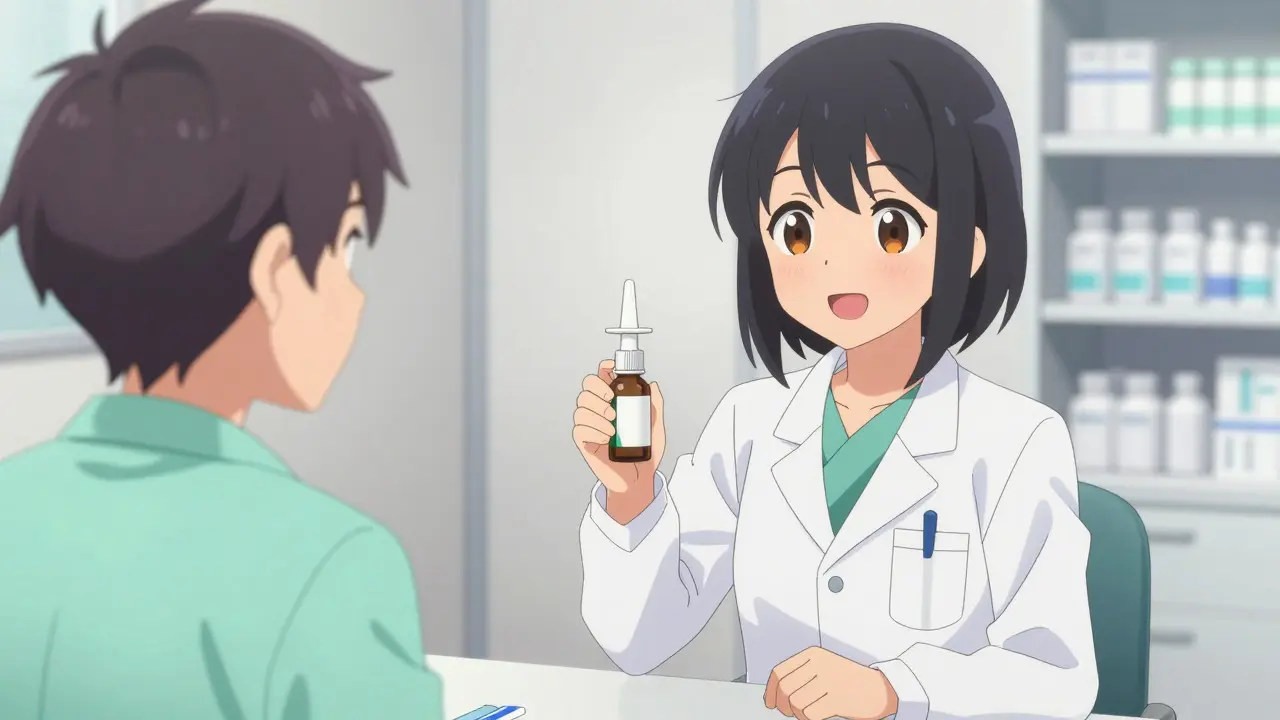
When dealing with allergy-triggered sinus issues, not all medications are created equal. While you might reach for a cetirizine (Zyrtec) or loratadine (Claritin) pill, these oral antihistamines do a better job stopping sneezing than clearing sinus blockage. A 2021 study in the Journal of Allergy and Clinical Immunology found that fluticasone nasal spray reduced symptoms by 65%, whereas cetirizine only achieved a 42% reduction. This is why doctors prioritize nasal corticosteroids is a class of anti-inflammatory sprays delivered directly to the sinus mucosa.
Popular options include fluticasone (Flonase), budesonide (Rhinocort), and mometasone (Nasonex). These sprays work locally to shrink swollen tissue and reduce mucus production. However, patience is required. It typically takes 2 to 4 weeks of consistent daily use to see the full benefit. Many patients quit early because they expect instant relief, leading to poor adherence rates of only 35-40% by the fourth week. To maximize effectiveness, aim the nozzle slightly away from the center septum and sniff gently after spraying.
In addition to sprays, saline irrigation is a powerful tool. Using a neti pot or squeeze bottle with 240mL of lukewarm distilled or previously boiled water helps flush out allergens and thick mucus. This mechanical cleansing complements medication by removing the very triggers causing the inflammation. Just be careful with water quality; using untreated tap water carries a rare but serious risk of Naegleria fowleri infection, as documented by CDC reports.
The Role of Antibiotics and When They Fail
A common misconception is that all sinus pain requires antibiotics. In pure bacterial sinusitis, antibiotics like amoxicillin are highly effective, resolving symptoms in 78-87% of cases within 10 days. But in allergy sufferers, the picture is different. If the primary driver is allergic inflammation, adding an antibiotic doesn't fix the root cause. Data from NCBI StatPearls indicates that antibiotics alone show only 35-45% effectiveness in allergy-triggered sinusitis.
Antibiotics become relevant only when a secondary bacterial infection complicates things. This happens in about 0.5-2% of allergy-related cases. Signs of a bacterial superinfection include high fever, facial pain that worsens rather than improves, and thick yellow-green discharge lasting more than 10 days. If your doctor prescribes amoxicillin 500mg three times daily for 5-10 days, it’s likely targeting this secondary issue. For resistant organisms, high-dose amoxicillin-clavulanate may be used. But remember, the antibiotic is a band-aid; the nasal steroid and allergen control are the cure.
Long-Term Strategies: Immunotherapy and Environmental Control
If you find yourself battling sinusitis four or more times a year, it’s time to look at long-term prevention. Allergen immunotherapy, commonly known as allergy shots, is one of the most impactful interventions available. By gradually exposing your immune system to small doses of your specific allergens over 3-5 years, you can retrain your body to react less intensely. Studies show this approach prevents sinusitis recurrence in 60-70% of patients, compared to just 25-30% with medication alone.
The commitment is real. It involves weekly injections for 4-6 months during the buildup phase, followed by maintenance shots every 2-4 weeks. But the payoff is a significant reduction in overall symptom burden. Alongside shots, environmental control measures are crucial. Dr. David Stukus from Nationwide Children's Hospital notes that reducing exposure to triggers like dust mites, mold, and pet dander can lower symptom frequency by 40-60%. This might mean using HEPA filters, washing bedding in hot water weekly, or keeping windows closed during peak pollen seasons.

When to See a Specialist: Red Flags for Referral
Most acute episodes resolve with home care and basic OTC treatments. But certain signs indicate that your condition has moved beyond general practice management into the realm of chronic or complex disease. You should seek referral to an Ear, Nose, and Throat (ENT) specialist or an allergist if:
- Symptoms persist for more than 12 weeks despite appropriate medical therapy.
- You experience four or more sinus infections per year.
- Nasal polyps are detected (fleshy growths in the nasal passages).
- You have complications such as vision changes, severe headache, or swelling around the eyes (orbital involvement).
- Fungal sinusitis is suspected, particularly if you have diabetes or are immunocompromised.
During a specialist visit, you’ll likely undergo nasal endoscopy, where a thin camera is inserted into the nose to visualize the sinuses. Abnormal findings like purulent drainage or significant mucosal edema are present in 85-90% of chronic cases requiring advanced management. This visual assessment helps determine if surgery or biologics are needed.
Advanced Options: Biologics and Surgery
For severe chronic rhinosinusitis with nasal polyps that don’t respond to steroids, new classes of drugs called biologics have changed the landscape. Dupilumab (Dupixent), omalizumab (Xolair), and mepolizumab (Nucala) target specific pathways in the immune system. Dupilumab, approved for this indication in 2021, has shown a 73% reduction in nasal polyp size in clinical trials. These are injectable treatments given every 2-4 weeks. While highly effective, they come with a price tag of approximately $3,500 per month without insurance, making them a last resort for eligible patients.
If medications fail, endoscopic sinus surgery is an option. This procedure opens up blocked sinus passages to improve drainage. It achieves an 85% success rate in resolving symptoms initially. However, for allergy sufferers, recurrence rates are higher-reaching 20-30% within five years compared to 10-15% in non-allergic patients. This highlights why surgery is rarely a standalone fix; it must be paired with aggressive allergy management to prevent the problem from returning.
| Treatment Type | Efficacy in Allergic Cases | Time to Benefit | Key Considerations |
|---|---|---|---|
| Nasal Corticosteroids | High (65% symptom reduction) | 2-4 weeks | First-line therapy; requires consistent daily use |
| Oral Antihistamines | Moderate (42% symptom reduction) | Immediate | Better for sneezing/rhinitis than sinus blockage |
| Antibiotics | Low (35-45% if no bacterial infection) | 5-10 days | Only for secondary bacterial infections |
| Allergy Immunotherapy | High (60-70% recurrence prevention) | 3-5 years | Long-term commitment; addresses root cause |
| Biologics (e.g., Dupilumab) | Very High (73% polyp reduction) | Months | For severe/refractory cases; high cost |
Frequently Asked Questions
Can I cure sinusitis permanently if I have allergies?
While "cure" is a strong word, you can achieve long-term remission. By combining nasal steroids, allergen avoidance, and potentially immunotherapy, many patients go years without significant flare-ups. The goal is control rather than elimination, especially since allergies are often lifelong conditions.
Are allergy shots worth it for sinusitis?
Yes, if you have frequent recurrences. Immunotherapy modifies the immune system itself, offering a 60-70% chance of preventing future sinusitis episodes. It’s more effective than medication alone for long-term stability, though it requires a 3-5 year commitment.
Do I need antibiotics every time my sinuses get bad?
No. Most exacerbations in allergy sufferers are viral or purely inflammatory. Antibiotics only help if a secondary bacterial infection is confirmed by your doctor through symptoms like prolonged fever or worsening pain after initial improvement. Overuse contributes to resistance without helping the underlying allergy.
What is the best way to clean my sinuses at home?
Saline irrigation is the gold standard for home care. Use a neti pot or squeeze bottle with 240mL of lukewarm distilled, sterile, or previously boiled water mixed with saline packets. Do this once or twice daily to physically remove allergens and mucus. Avoid using straight tap water to prevent rare infections.
When should I see an ENT specialist?
See an ENT if your symptoms last longer than 12 weeks, if you have four or more infections a year, or if you notice nasal polyps. Specialists can perform endoscopy to check for structural issues and prescribe advanced therapies like biologics or recommend surgery if needed.