
Imagine you take a new antibiotic for a routine infection. Two hours later, your throat feels tight, and hives spread across your chest. You might think it's just a bad reaction that will pass, but in this scenario, every minute counts. Severe adverse drug reactions (ADRs) are not just uncomfortable side effects; they are medical emergencies that can turn fatal within minutes if ignored. While most people associate drug reactions with mild nausea or a slight rash, the severe ones-like anaphylaxis or toxic epidermal necrolysis-require immediate intervention to save lives.
The difference between a manageable side effect and a life-threatening emergency often lies in the speed of onset and the systems involved. If your airway is compromised, your blood pressure drops, or your skin begins to peel, you are no longer dealing with a 'wait and see' situation. This guide breaks down exactly what severe ADRs look like, how to recognize them instantly, and what steps to take before help arrives. We will also clarify which drugs carry the highest risk and why knowing your personal history is your first line of defense.
Quick Summary / Key Takeaways
- Anaphylaxis is the most time-critical severe ADR, requiring epinephrine administration within minutes to prevent shock and death.
- Not all rashes are equal; Stevens-Johnson Syndrome involves skin detachment and requires specialized burn unit care, not just antihistamines.
- Anticoagulants, diabetes medications, and opioids are the three highest-priority drug classes for preventing severe, preventable harms according to U.S. health authorities.
- If a rash is accompanied by difficulty breathing, swelling, or dizziness, treat it as anaphylaxis until proven otherwise.
- Always carry an epinephrine auto-injector if you have a known severe drug allergy, and know how to use it.
Identifying the Red Flags: When It's More Than a Side Effect
Most minor side effects, like a headache or mild stomach upset, resolve on their own or with simple adjustments. However, severe ADRs signal that your body is fighting the medication in a way that threatens vital organs. The World Health Organization defines an ADR as a noxious and unintended response occurring at normal doses. But when does it become an emergency? The U.S. Food and Drug Administration (FDA) classifies an event as 'serious' if it results in death, is life-threatening, requires hospitalization, causes permanent disability, or is otherwise medically significant.
You need to seek emergency help immediately if you observe any of these specific patterns:
- Airway Compromise: Wheezing, stridor (high-pitched sound when breathing in), or a feeling of throat tightness. This suggests bronchospasm or angioedema.
- Circulatory Collapse: Dizziness, fainting, pale or clammy skin, and a rapid, weak pulse. This indicates a drop in blood pressure (hypotension).
- Progressive Skin Changes: Hives that spread rapidly, or blisters that cause the skin to peel off. This points toward severe cutaneous adverse reactions (SCARs).
- Systemic Symptoms: High fever combined with a widespread rash and organ involvement (such as jaundice or confusion), which may indicate DRESS syndrome.
The key distinction is systemic involvement. A local itch is one thing; a full-body reaction affecting your lungs, heart, or skin integrity is another. If you are unsure, call emergency services. It is better to be evaluated and sent home than to delay treatment for a condition that progresses quickly.
Understanding the Four Types of Severe Reactions
Medical professionals categorize severe drug reactions based on how the immune system responds. Understanding these types helps you recognize the timeline and severity of what is happening to your body.
| Reaction Type | Mechanism | Onset Time | Key Symptoms | Urgency Level |
|---|---|---|---|---|
| Type I (Anaphylaxis) | IgE-mediated hypersensitivity | Minutes to 2 hours | Hives, wheezing, low BP, swelling | Critical (Immediate) |
| Type II (Cytotoxic) | IgG/IgM antibodies attack cells | 5-10 days | Fever, anemia, bleeding (low platelets) | High (Hospitalization) |
| Type III (Immune Complex) | Antigen-antibody complexes deposit in tissues | 7-14 days | Joint pain, fever, rash (serum sickness-like) | Moderate-High |
| Type IV (Delayed) | T-cell mediated | Days to Weeks | SJS/TEN, DRESS, eczema-like rash | Variable (SJS/TEN is Critical) |
Anaphylaxis, or Type I, is the most immediately dangerous. It occurs when IgE antibodies trigger the release of histamine and other chemicals, causing blood vessels to widen and airways to constrict. According to Resuscitation Council UK guidelines, untreated anaphylaxis carries a mortality rate of 0.3% to 1%, but this risk spikes dramatically if treatment is delayed. In contrast, Type IV reactions, such as Toxic Epidermal Necrolysis (TEN), develop slowly over weeks. TEN involves the death of skin cells, leading to large areas of skin sloughing off. While the onset is slower, the mortality rate for TEN is high, ranging from 30% to 50%, making early recognition of blistering rashes crucial.
High-Risk Medications and Specific Triggers
While any medication can potentially cause a reaction, certain classes are statistically more likely to result in severe, preventable events. The National Action Plan for Adverse Drug Event Prevention identifies three priority targets due to their high incidence and impact:
- Anticoagulants: These blood thinners, such as warfarin or heparin, primarily cause severe bleeding. If you notice unusual bruising, blood in urine or stool, or prolonged bleeding from cuts, seek care immediately.
- Diabetes Agents: Insulin and sulfonylureas can cause severe hypoglycemia (low blood sugar). Symptoms include confusion, sweating, and loss of consciousness. This is a medical emergency requiring glucose administration.
- Opioids: Pain relievers like morphine or oxycodone can cause respiratory depression. If someone taking opioids has slow, shallow breathing or becomes unresponsive, they need emergency intervention, often including naloxone.
Beyond these, antibiotics (particularly penicillins and cephalosporins) and non-steroidal anti-inflammatory drugs (NSAIDs) are common triggers for anaphylaxis. Contrast media used in imaging scans also pose a risk, though premedication protocols with steroids and antihistamines can reduce this danger. If you have a history of reacting to one drug in a class, inform your doctor about cross-reactivity risks before starting a similar medication.
Immediate First Aid: What to Do Before the Ambulance Arrives
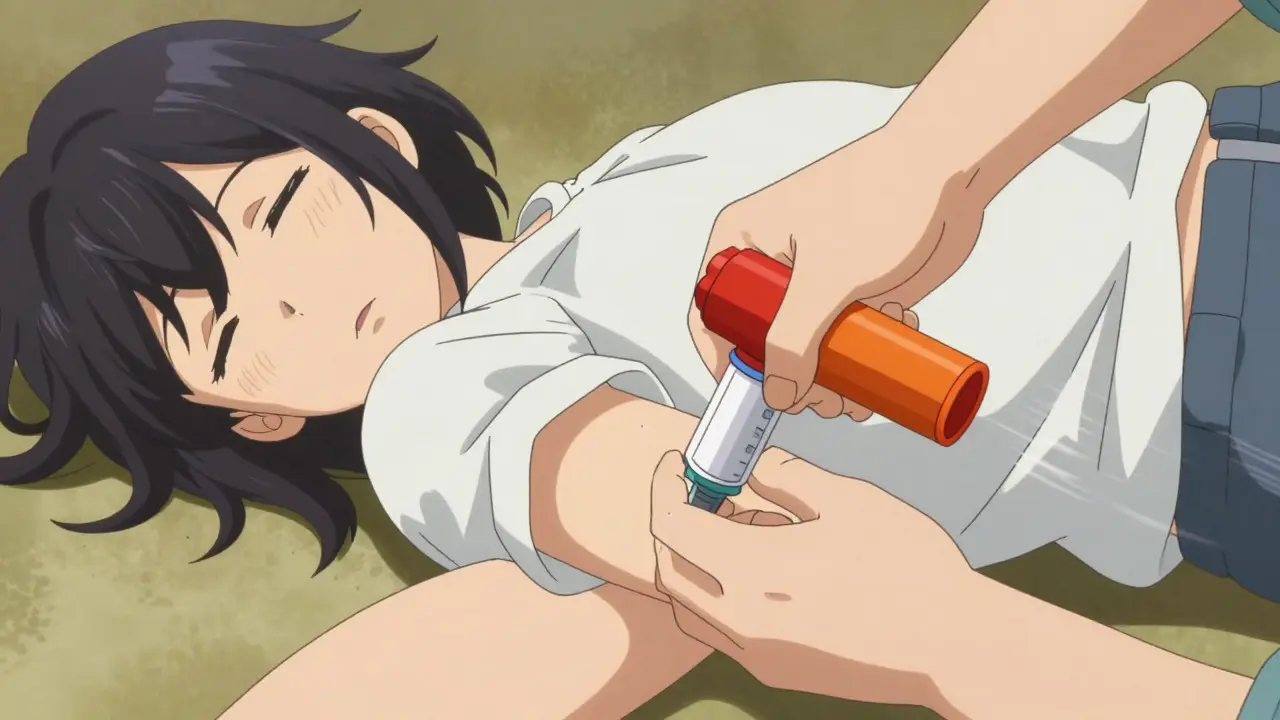
Time is the most critical factor in surviving a severe drug reaction. For anaphylaxis, the gold standard treatment is intramuscular epinephrine. Guidelines specify injecting into the mid-outer thigh at a dose of 0.01 mg/kg (maximum 0.5 mg for adults). Do not wait for oral antihistamines to work; they are too slow for life-threatening symptoms.
Here is the step-by-step action plan for a suspected severe reaction:
- Stop the Culprit: Discontinue the medication immediately if possible. If it was an injection, note the time.
- Call Emergency Services: Tell the dispatcher it is a potential anaphylactic reaction.
- Administer Epinephrine: If the patient has an auto-injector, use it now. If symptoms persist after 5 minutes, a second dose may be needed.
- Position the Patient: Lay them flat with legs elevated to help blood flow to the heart. If they are vomiting, place them on their side to keep the airway clear. If they are having trouble breathing, allow them to sit up slightly.
- Monitor Breathing: Watch for signs of respiratory arrest. Be prepared to perform CPR if necessary.
For reactions like SJS or TEN, the approach differs. There is no immediate 'fix-it' injection like epinephrine. Instead, the focus is on supportive care. Keep the patient warm, avoid breaking blisters, and ensure they stay hydrated. These patients require transfer to a tertiary care facility with a burn unit, where specialists can manage fluid loss and prevent infection.
Long-Term Management and Prevention Strategies
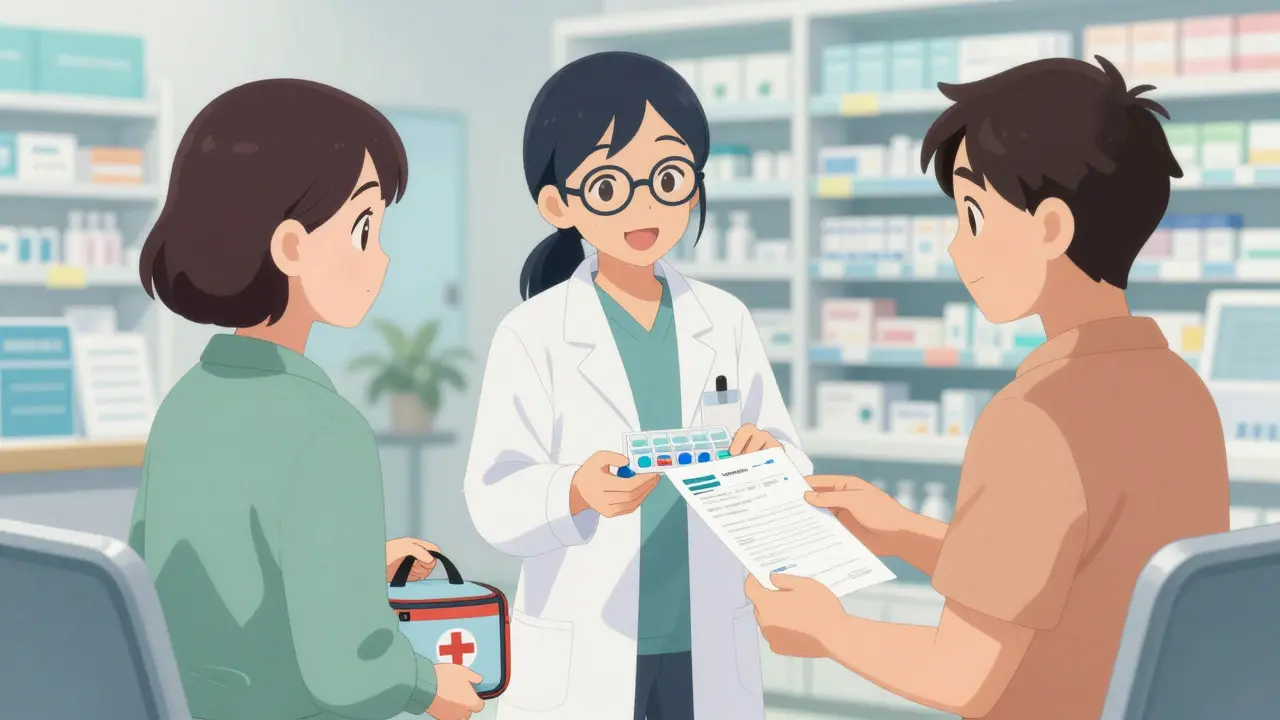
Surviving a severe ADR is only half the battle. Preventing recurrence requires a proactive approach to your medical history. After a severe reaction, you should receive specialist follow-up in an allergy clinic. This evaluation helps confirm the culprit drug and identify any cross-reactive medications to avoid in the future.
Consider these prevention strategies for your household:
- Medication Review: Keep an updated list of all medications, supplements, and known allergies. Share this list with every healthcare provider you see.
- Carry an Action Plan: If prescribed an epinephrine auto-injector, carry it at all times. Ensure family members and close friends know how to use it.
- Report Events: Report serious ADRs to regulatory bodies like the FDA MedWatch program or your country's equivalent. This data helps improve drug safety labels and monitoring.
- Check for Interactions: Use pharmacy software or ask your pharmacist to check for interactions before adding new prescriptions, especially if you are on multiple chronic medications.
Technology is also playing a role in prevention. Electronic health records are increasingly integrating real-time ADR detection algorithms that flag potential high-risk combinations before a prescription is finalized. As surveillance systems improve, the hope is to reduce the estimated thousands of annual deaths attributed to medication errors and severe reactions globally.
Frequently Asked Questions
How long after taking a medication can a severe reaction occur?
It varies by type. Anaphylaxis typically occurs within minutes to two hours. Cytotoxic reactions (Type II) may appear 5-10 days later. Delayed hypersensitivity reactions (Type IV), such as SJS or DRESS, can take 2 to 6 weeks to manifest. Therefore, do not assume you are 'safe' just because you felt fine for the first few days.
Is a rash always a sign of a severe drug reaction?
No. Many rashes are mild and self-limiting. However, a rash becomes a red flag for a severe reaction if it is accompanied by fever, joint pain, blistering, peeling skin, or mucous membrane involvement (eyes, mouth, genitals). If the rash spreads rapidly or affects more than 10% of the body surface area, seek emergency care.
Can you have an allergic reaction to a drug you've taken before without issues?
Yes. Sensitization can happen after any exposure. Sometimes, the immune system takes several exposures to build enough antibodies to trigger a severe response. Additionally, changes in your health status or concurrent medications can alter how your body processes a drug, increasing the risk of a new reaction.
What is the difference between an adverse effect and an adverse drug reaction?
An adverse effect is any undesirable outcome during treatment, which can include predictable side effects like drowsiness from antihistamines. An adverse drug reaction (ADR) specifically refers to a noxious and unintended response that is not related to the intended therapeutic mechanism, often involving an immune response or idiosyncratic metabolic issue. All severe ADRs are adverse effects, but not all adverse effects are severe ADRs.
Should I stop my medication if I suspect a reaction?
If you suspect a severe reaction (anaphylaxis, SJS, etc.), stop the medication immediately and seek emergency help. For milder symptoms, contact your doctor before stopping, especially for medications like beta-blockers or steroids which may require tapering. However, when in doubt about severe symptoms, err on the side of caution and discontinue use while seeking professional advice.