Pharmaceutical Supply Chain Resilience Calculator
Assess Your Vulnerability
Select the conditions that apply to your medication or supply chain.
Ready to Assess
Configure the settings on the left to analyze potential supply chain risks.
Risk Assessment Result
Visual representation of systemic vulnerability
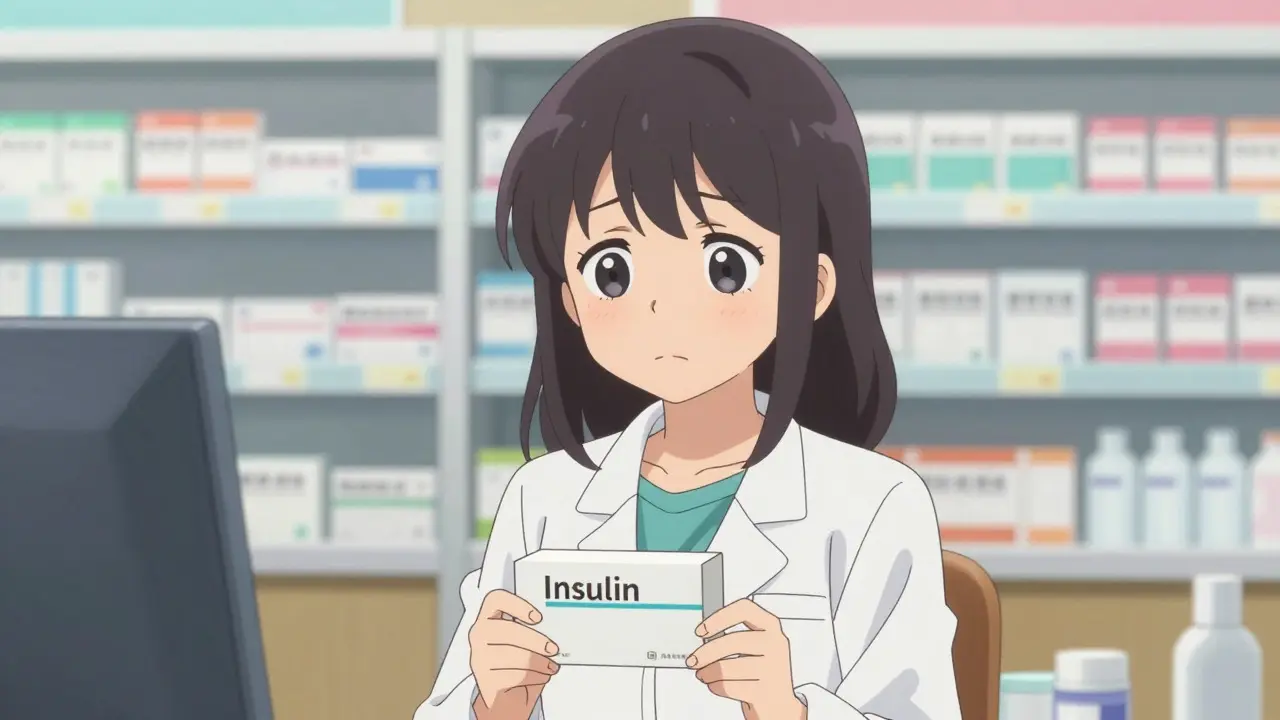
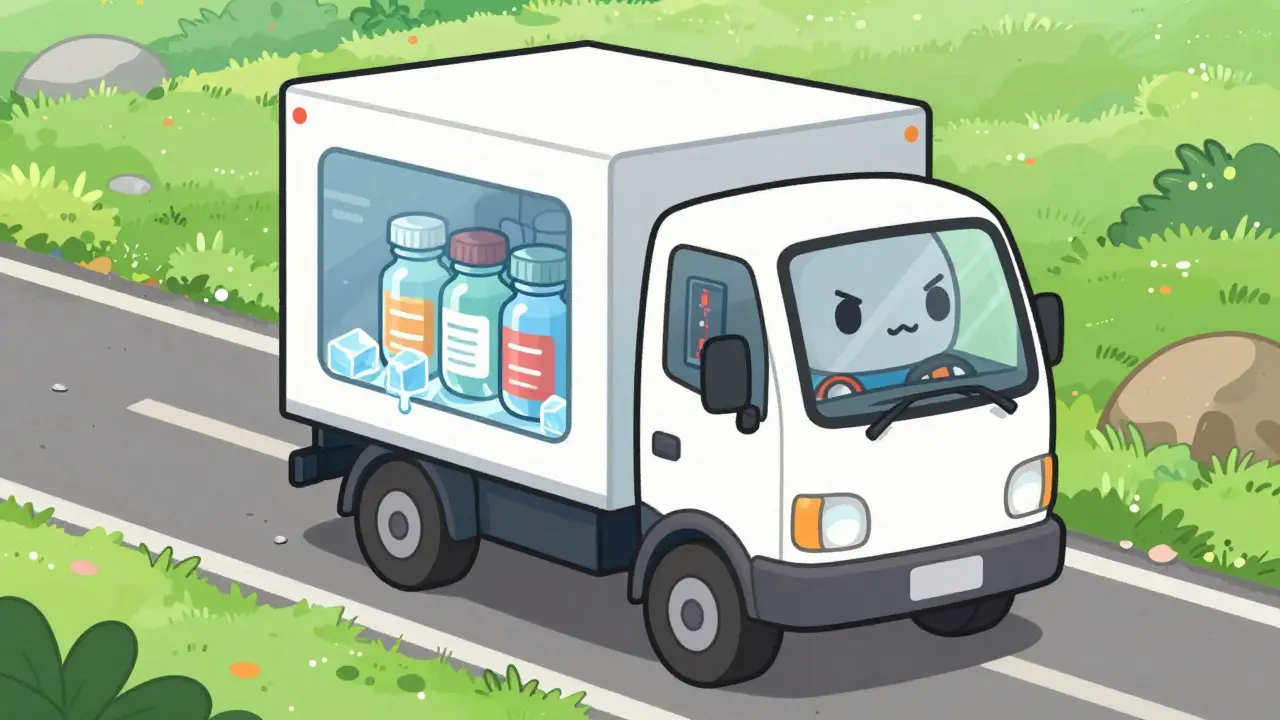
Imagine walking into a pharmacy for your life-saving insulin, only to be told it’s out of stock. Or worse, receiving a dose that lost its potency because it sat in a hot truck for six hours. These aren’t just inconveniences; they are direct threats to human life. The pharmaceutical supply chain is the invisible backbone of modern medicine, yet most patients never think about it until something goes wrong.
As of 2025, this global network spans over 180 countries and roughly 30,000 manufacturing facilities. It serves nearly 8 billion people. When it works, you get your meds on time, safe and effective. When it fails, the consequences range from delayed surgeries to fatal allergic reactions. Recent data shows that supply chain pressure is rising, with emerging economies facing critical vulnerabilities. Understanding how these systems work-and where they break-is no longer just an industry concern. It is a public health imperative.
The High Stakes of Drug Integrity
Medicines are not like shoes or smartphones. If a shoe arrives damaged, you return it. If a heart transplant drug arrives at the wrong temperature, a patient might die. This fundamental difference dictates every aspect of pharmaceutical logistics. The core goal is maintaining product integrity from the factory floor to the patient’s hands.
Drug integrity relies on strict adherence to storage conditions. For example, 72% of biologics-complex drugs made from living organisms-require refrigeration between 2°C and 8°C. Another 15% need ultra-cold storage below -60°C. A single break in this "cold chain" can render millions of dollars worth of vaccine useless. According to recent reports, real-time monitoring systems now cover 68% of high-value shipments, reducing temperature excursions by 42%. But gaps remain, especially in rural areas where "last mile" delivery often lacks proper equipment.
Beyond temperature, there is the threat of counterfeiting. Fake drugs are a growing menace, particularly in regions with less stringent regulatory oversight. A robust track-and-trace system allows manufacturers and regulators to identify fakes before they reach shelves. Blockchain technology has seen a 37% increase in adoption since 2020 precisely because it creates an immutable record of a drug’s journey. Major companies are investing heavily here, spending an average of $12.7 million annually on these upgrades.
Why Shortages Happen (And Why They Hurt)
You’ve likely heard news stories about drug shortages. In 2023 and 2024, hospitals reported severe deficits in everything from epinephrine to chemotherapy agents. Why does this happen? The answer lies in the fragility of the supply chain.
First, consider the concentration of production. Roughly 78% of the world’s Active Pharmaceutical Ingredients (APIs) come from just two countries: China and India. This geographic bottleneck makes the entire global supply chain vulnerable to geopolitical tensions, natural disasters, or local labor strikes. When a plant in North Carolina was disrupted by Hurricane Helene, more than 80% of healthcare organizations nationwide faced shortages of IV fluids and other essentials. Surgeries were delayed. Treatments were interrupted.
Second, inventory buffers are shrinking. Unlike consumer goods, which can sit in warehouses for months, many drugs have short shelf lives. Pharmaceutical supply chains operate with 47% less inventory buffer than general retail chains. They rely on "just-in-time" delivery to save costs. While efficient in theory, this model leaves zero room for error when disruptions occur.
The human cost is staggering. Pharmacists report rationing epinephrine for severe allergic reactions. Nurses describe substituting insulin brands mid-treatment, leading to dangerous blood sugar fluctuations. One multiple sclerosis patient shared that a 17-day delay in their Tysabri infusion resulted in new brain lesions visible on MRI scans. These are not abstract statistics; they are real harms caused by logistical failures.
Regulatory Walls and Compliance Challenges
To protect patients, governments have built massive regulatory frameworks. In the United States, the Drug Supply Chain Security Act (DSCSA) mandates full product tracing. By November 2023, all prescription drugs had to be serialized with 2D data matrix barcodes. The FDA’s latest guidance pushes for 100% electronic tracing by November 2025.
But compliance is expensive and complex. Implementing these systems takes 12 to 18 months and requires specialized training. Hospitals face an average initial investment of $450,000 just to set up comprehensive track-and-trace infrastructure. Seventy-six percent of hospitals struggle to integrate these new digital requirements with their legacy systems. The result? Data silos that make it harder, not easier, to spot problems early.
Globally, the landscape is even more fragmented. There are 217 distinct regulatory requirements across 50 major markets. For multinational distributors, navigating this maze is a full-time job. Inconsistent terminology and lack of standardized frameworks mean that a drug traced perfectly in one country might become a mystery once it crosses a border. This fragmentation hampers global efforts to combat counterfeit drugs and manage cross-border shortages.
Technology as the New Guardian
If regulation sets the rules, technology enforces them. We are seeing a rapid shift toward digitalization in pharmaceutical logistics. Two technologies stand out: Artificial Intelligence (AI) and Blockchain.
AI-driven demand forecasting is projected to reduce drug shortages by 35% by 2027. By analyzing historical sales data, weather patterns, and even social media trends, AI can predict spikes in demand for specific medications. This helps manufacturers produce the right amount of drug, reducing both waste and shortages. However, inaccurate forecasts can still lead to financial losses and treatment delays, so the technology is not a silver bullet.
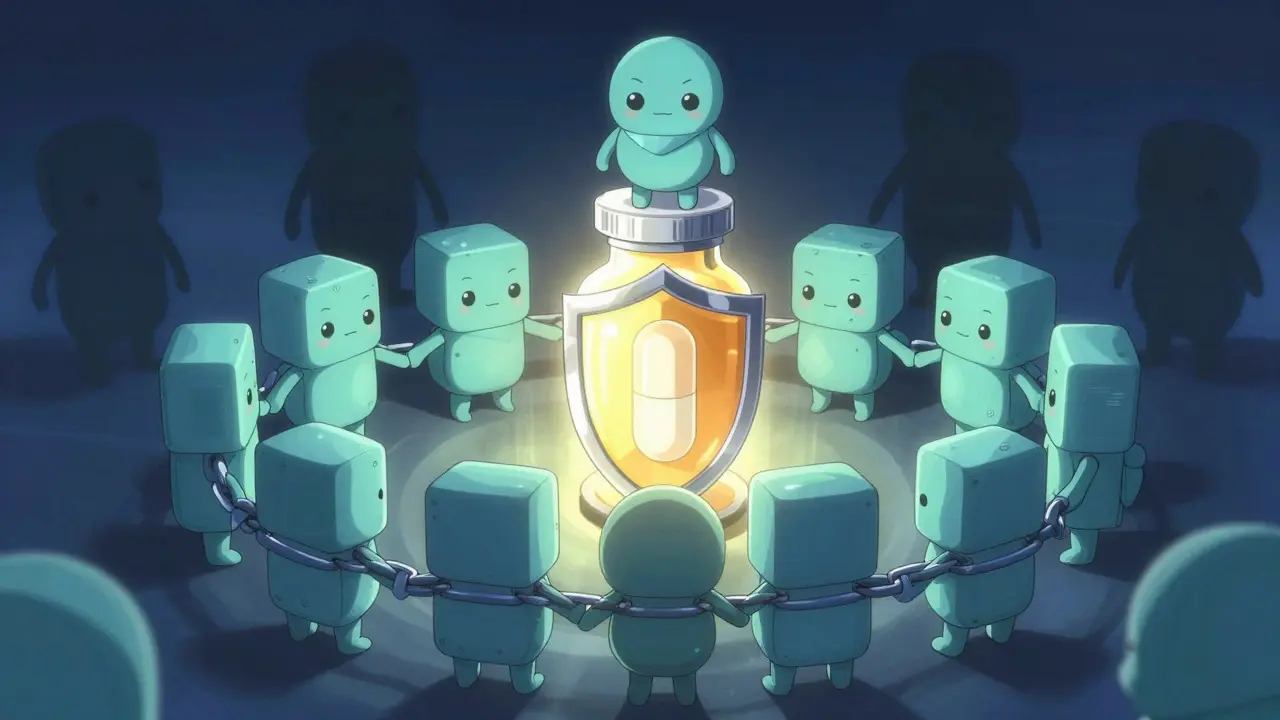
Blockchain offers transparency. It creates a shared ledger where every stakeholder-from manufacturer to pharmacist-can see the drug’s history. This makes it nearly impossible to insert counterfeit products into the legitimate supply chain. Currently, blockchain integration is expected to cover 85% of high-value shipments by 2028. Companies like Pfizer have received high ratings for their supply chain protocols, partly due to early adoption of these transparent systems.
Yet, technology introduces new risks. Cybersecurity is a major concern. In 2023, 74% of healthcare cybersecurity incidents were tied to third-party vendors. A software failure by CrowdStrike in 2024 disrupted 759 hospitals, halting critical services. As supply chains become more digital, they become more vulnerable to hackers who could manipulate data to hide contaminated batches or create fake shortages.
Comparison: Pharma vs. General Healthcare Supply Chains
| Metric | Pharmaceutical Supply Chain | General Medical Device Supply Chain |
|---|---|---|
| Regulatory Requirements | 3.2x more stringent | Standard compliance |
| Inventory Buffer | 47% less (due to expiry dates) | Higher buffer capacity |
| Traceability Rate | 98.7% | 82.3% |
| Disruption Recovery Time | 14.2 days | 9.8 days |
| Vulnerability to Geopolitics | 28% higher (API concentration) | Moderate |
This table highlights a paradox: while pharmaceutical supply chains are better at tracking individual units (traceability), they are slower to recover from disruptions. This is largely because restarting a sterile drug manufacturing line is far more complex and time-consuming than restocking surgical tools. The reliance on a few key API producers further slows recovery, as alternative sources are hard to qualify quickly.
What Patients Can Do
While most of the action happens behind the scenes, patients are not powerless. Here are practical steps to protect yourself:
- Verify Your Source: Always buy medications from licensed pharmacies. Avoid online sellers that don’t require prescriptions or look too good to be true.
- Check Expiry Dates: Before taking any medication, check the expiration date. If a drug looks discolored, cracked, or smells unusual, do not take it. Contact your pharmacist immediately.
- Ask About Substitutions: If your usual brand is unavailable, ask your doctor or pharmacist if a generic alternative is truly equivalent. Not all generics are bioequivalent in every scenario, especially for narrow-therapeutic-index drugs like warfarin or levothyroxine.
- Store Properly: Follow storage instructions carefully. Keep refrigerated meds in the fridge, not the freezer. Don’t leave pills in a hot car.
- Report Issues: If you suspect a medication error or a counterfeit drug, report it to the FDA MedWatch program or your local health authority. Your report could prevent harm to others.
The Road Ahead: Resilience Over Efficiency
For decades, the pharmaceutical industry prioritized efficiency and cost-cutting. Now, the focus is shifting toward resilience. McKinsey projects a 22% reduction in critical drug shortages by 2030 through advanced technologies, but warns that geopolitical tensions could increase vulnerability by 18% without strategic diversification.
The future supply chain will likely be more regionalized. Instead of relying on APIs from thousands of miles away, we may see more localized manufacturing hubs. This "near-shoring" approach reduces transit times and exposure to global shocks. Additionally, greater collaboration between competitors-sharing data on shortages and demand-could help balance the market more effectively.
Ultimately, quality in the pharmaceutical supply chain is not just about moving boxes. It is about preserving life. Every barcode scan, every temperature check, and every regulatory review is a step toward ensuring that when you take a pill, it does exactly what it promises. As technology evolves and regulations tighten, the hope is that these invisible links become stronger, safer, and more reliable for the billions who depend on them.
What causes drug shortages in the supply chain?
Drug shortages are typically caused by a combination of factors including manufacturing issues, raw material (API) scarcity, regulatory delays, and unexpected spikes in demand. Geographic concentration of production, particularly in China and India, also creates bottlenecks. Natural disasters and geopolitical tensions can disrupt transportation, exacerbating these shortages.
How does temperature affect medication safety?
Many medications, especially biologics and vaccines, are sensitive to temperature changes. Exposure to temperatures outside their recommended range (e.g., above 8°C for refrigerated items) can degrade the active ingredients, rendering the drug ineffective or potentially harmful. This is why "cold chain" logistics are critical, requiring continuous monitoring from production to patient administration.
What is the DSCSA and why does it matter?
The Drug Supply Chain Security Act (DSCSA) is U.S. legislation designed to prevent counterfeit, stolen, contaminated, or otherwise fraudulent drugs from entering the legitimate supply chain. It mandates serialization and traceability of prescription drugs, requiring each package to have a unique identifier. This allows stakeholders to verify product authenticity and quickly isolate problematic batches.
Can blockchain really stop counterfeit drugs?
Blockchain technology enhances supply chain transparency by creating an immutable, shared ledger of transactions. While it doesn't physically stop counterfeits, it makes it extremely difficult for fake drugs to enter the verified supply chain unnoticed. Each step of the drug's journey is recorded, allowing instant verification of origin and handling history. Adoption is growing rapidly among major pharmaceutical companies.
How long does it take to recover from a supply chain disruption?
According to recent analyses, the average disruption recovery time for pharmaceutical supply chains is approximately 14.2 days, which is significantly longer than for medical devices (9.8 days). This delay is due to the complexity of sterile manufacturing, rigorous quality control testing required before releasing new batches, and the limited number of qualified suppliers for many critical ingredients.