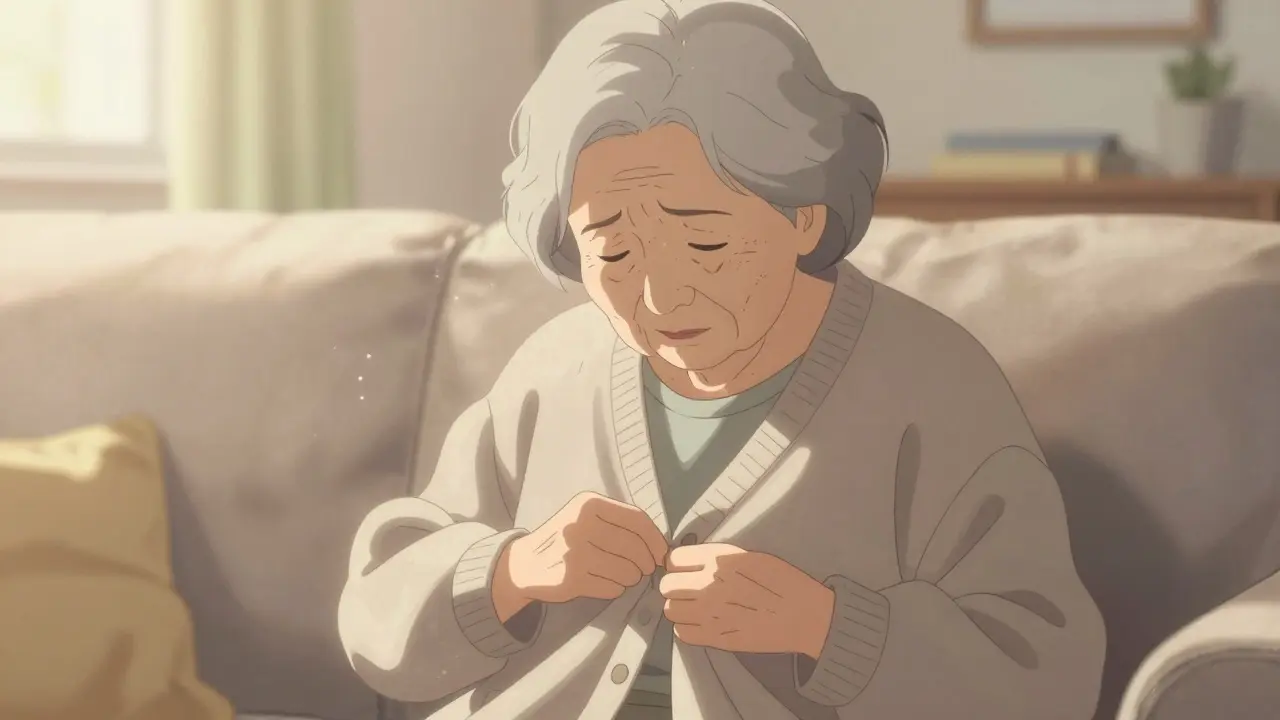
Many people think joint pain is just a natural part of getting older, like gray hair or reading glasses. But Osteoarthritis is a complex disease where the entire joint structure-including cartilage, bone, and ligaments-breaks down over time. It isn't just "wear and tear"; it's a biological process that affects over 500 million people worldwide. If you've noticed a stiffness in your knees that gets worse as the day goes on, or fingers that feel clumsy when buttoning a shirt, you aren't alone. While there is no magic cure to reverse the damage, you can absolutely slow it down and get your mobility back.
What is Actually Happening Inside Your Joints?
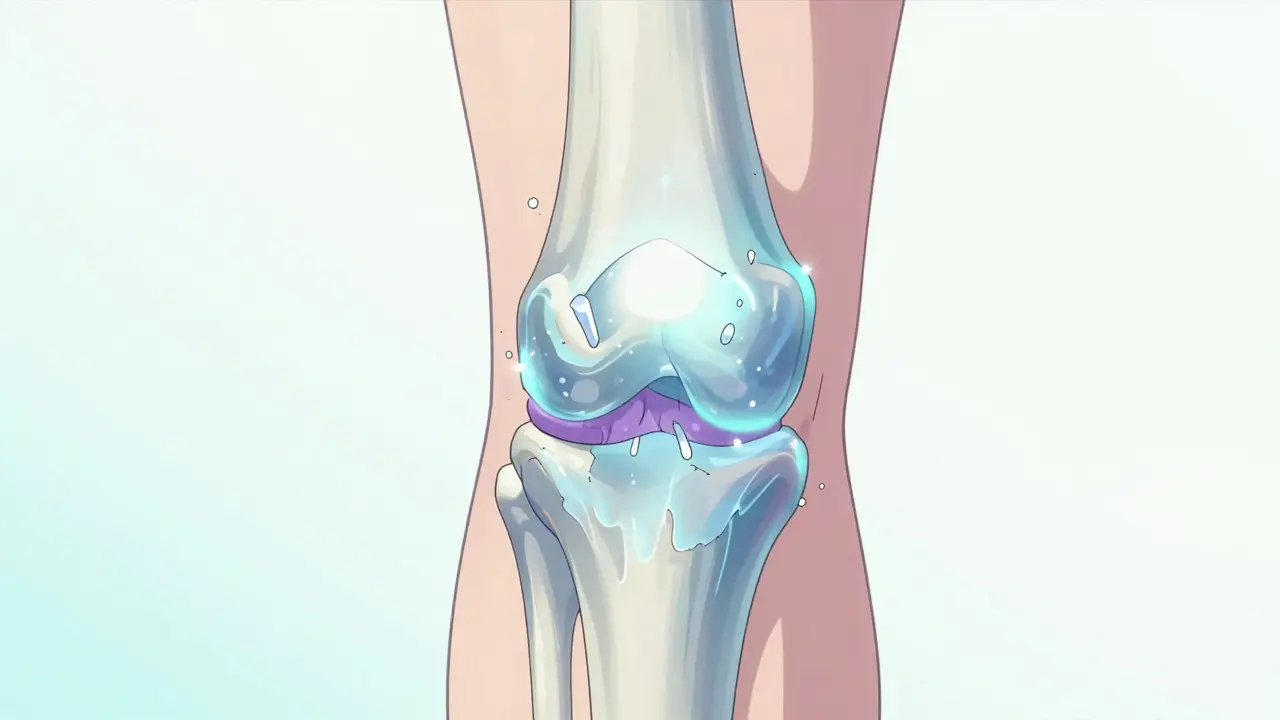
To understand the pain, you have to look at the Articular Cartilage. Think of this as a slick, rubbery coating on the ends of your bones that lets them glide without friction. In a healthy joint, this cartilage is smooth. With osteoarthritis, that surface starts to fray-a process called fibrillation. Eventually, the cartilage wears thin, and you get bone-on-bone contact.
It doesn't stop at the cartilage, though. Your body tries to fix the damage, but often does it poorly. It might grow Osteophytes, which are essentially bone spurs. These jagged growths can limit your range of motion and cause that sharp, catching sensation when you move a joint. This process usually hits the knees most often (about 60% of cases), followed by the hips, hands, and spine.
Osteoarthritis vs. Other Types of Arthritis
It is easy to confuse different types of joint pain, but knowing the difference changes how you treat it. Unlike Rheumatoid Arthritis, which is an autoimmune disease where your immune system attacks the joint lining, osteoarthritis is driven by mechanical stress and biological breakdown.
A simple way to tell the difference is the "timing" of the pain. If you wake up with intense stiffness that actually feels better as you start moving, that's often a sign of an inflammatory or autoimmune condition. With osteoarthritis, the pain usually follows a different pattern: it's mild in the morning but ramps up as you use the joint throughout the day, then settles down when you finally sit still.
| Feature | Osteoarthritis (OA) | Rheumatoid Arthritis (RA) | Gout |
|---|---|---|---|
| Primary Cause | Cartilage breakdown/Mechanical stress | Autoimmune response | Uric acid crystals |
| Pain Pattern | Worsens with activity | Worsens with rest/morning | Sudden, severe attacks |
| Symmetry | Often asymmetrical (one knee) | Usually symmetrical (both hands) | Localized (often big toe) |
| Onset | Gradual over years | Can be rapid/systemic | Abrupt and intense |
Practical Strategies for Pain Management
Managing joint pain management requires a shift in mindset: you aren't looking for a "fix," but a sustainable management system. Most experts recommend a "triad" approach-combining weight control, movement, and education.
The Impact of Weight Management
It sounds cliché, but the math of joint pressure is brutal. Carrying extra weight puts exponential stress on your knees and hips. Data shows that losing just 10% of your body weight can lead to a significant drop in pain levels for a majority of patients. This isn't about fitting into old jeans; it's about reducing the physical load on a degrading cartilage surface.
Movement That Doesn't Hurt
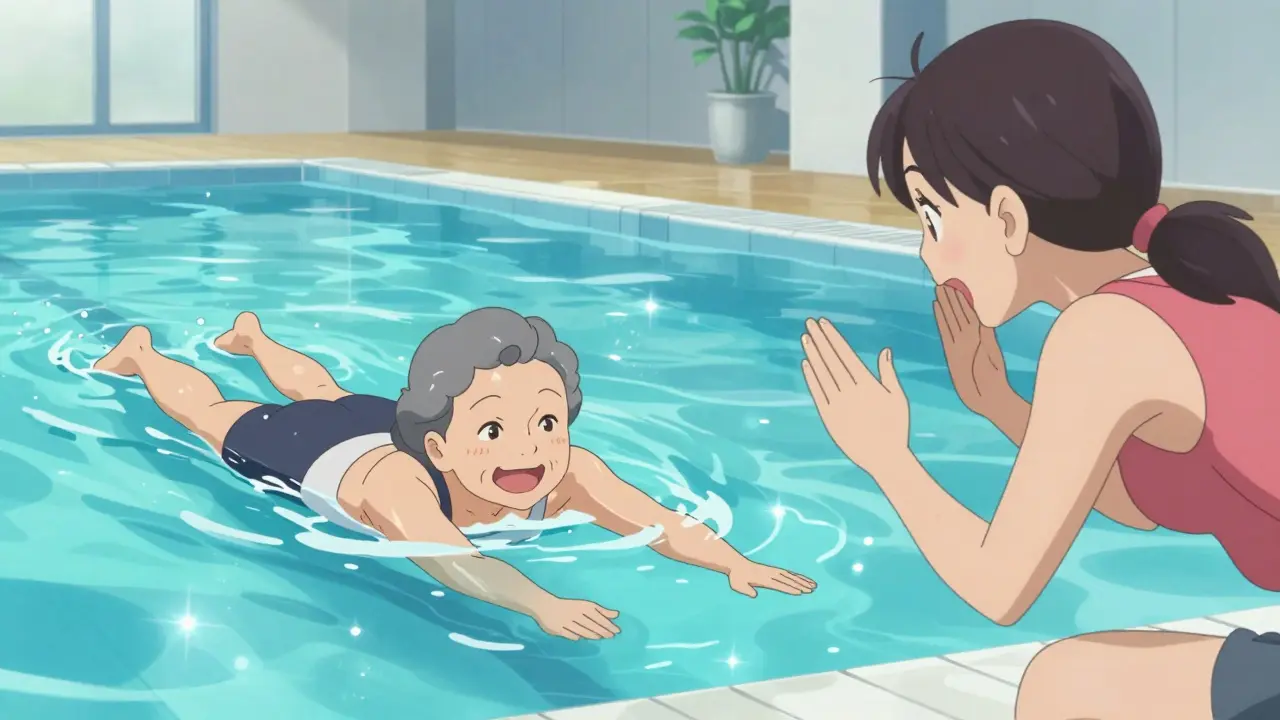
The biggest mistake people make is stopping all activity because it hurts. This leads to muscle atrophy, which makes the joint even less stable, creating more pain. The goal is "low-impact" movement. Land-based exercises done three times a week for about 45 minutes are highly effective. Think of swimming, cycling, or using an elliptical. These activities keep the Synovial Fluid (the joint's natural lubricant) moving, which nourishes the remaining cartilage.
Joint Protection Techniques
Small changes in how you interact with the world can save your joints from unnecessary stress. This might mean using a jar opener instead of gripping hard with your fingers or wearing supportive shoes with shock absorption. A few sessions with a physical therapist can teach you how to move in ways that distribute weight more evenly, preventing the "peaks" of pain that lead to flare-ups.
Medications and Modern Medical Options
When lifestyle changes aren't enough, medical interventions come into play. Many people start with NSAIDs (nonsteroidal anti-inflammatory drugs) like ibuprofen. While helpful, they aren't a long-term solution for everyone due to potential stomach issues.
For those with more severe symptoms, doctors might suggest intra-articular corticosteroid injections. These are shot directly into the joint to kill inflammation during a flare-up, often providing relief for several weeks. More recently, the FDA has approved nerve growth factor inhibitors like tanezumab for moderate-to-severe cases, which target the pain signals rather than just the inflammation.
Regenerative medicine is the "new frontier." There are hundreds of clinical trials currently exploring stem cell therapy. While not yet the standard of care for everyone, these treatments aim to potentially repair or replace damaged tissue rather than just masking the pain.
The Hidden Risks of Inactivity
There is a dangerous cycle at play with osteoarthritis. Pain makes you move less; moving less leads to weight gain and muscle loss; weight gain and muscle loss make the pain worse. This doesn't just affect your joints. When you become sedentary, your risk for cardiovascular disease, diabetes, and obesity skyrockets. This is why the World Health Organization emphasizes that treating OA is as much about heart health as it is about joint health.
Quick Checklist for Joint Health
- Low-Impact Cardio: Are you getting 150 minutes of light activity per week?
- Weight Check: Have you aimed for a 5-10% reduction in body mass if overweight?
- Joint Tools: Are you using ergonomic grips or supportive footwear?
- Strength Training: Are you strengthening the muscles around the joint to take the pressure off the bone?
- Professional Guidance: Have you had a physical therapy assessment to ensure your form is correct?
Can osteoarthritis be cured?
Currently, there is no way to completely "cure" osteoarthritis by regenerating the cartilage back to its original state. However, it is highly manageable. Through weight loss, targeted exercise, and medical interventions, most people can slow the progression and significantly reduce their daily pain.
Is it safe to exercise with joint pain?
Yes, provided the exercise is low-impact. Avoiding movement actually worsens the condition by weakening the supporting muscles. The key is to avoid high-impact activities (like running on concrete) and instead focus on swimming, cycling, or strength training designed by a physical therapist.
How do I know if I have OA or just "old age" pain?
While aging is a risk factor, OA is a specific disease process. Typical signs include joint stiffness in the morning that clears up quickly, pain that increases with use, and occasional swelling or a "grinding" sensation (crepitus) in the joint. A doctor can confirm this using X-rays or physical exams.
Do supplements actually help with joint degeneration?
Some people find relief with glucosamine or chondroitin, but clinical results are mixed. Most medical organizations prioritize weight management and physical therapy as they have a much more consistent and measurable impact on joint function than supplements.
When is it time for surgery, like a joint replacement?
Surgery is usually the last resort. It's considered when pain interferes with sleep, basic daily activities (like dressing or bathing), and when non-surgical treatments like physical therapy and medication no longer provide relief.
Next Steps for Recovery
If you're just starting to feel the effects of joint degeneration, don't panic. Start by tracking your pain triggers-does it happen after a long walk or only in the morning? This data is gold for your doctor. Your next move should be to schedule a consultation with a physical therapist to build a custom movement plan. Remember, the goal isn't to run a marathon; it's to keep your joints lubricated and your muscles strong enough to support your frame, ensuring you stay active for years to come.
Quinton Bangerter
April 18, 2026 AT 08:43Funny how we're told to just "lose weight" and "swim" while the pharmaceutical industry ignores the real systemic causes of cartilage degradation. The push for these nerve growth factor inhibitors is just another way to keep us dependent on a subscription model for our health. They want us focusing on the symptoms so we don't notice the environmental toxins leaching into our synovial fluid. It's all a game of control, and most of you are just playing along with the script. True health isn't found in a clinic or a gym, but in questioning why these diseases are skyrocketing in the first place. Wake up and look at the data they aren't showing you in these basic guides. The "science" is always shifting to suit the highest bidder. Absolute joke.
Tanya Rogers
April 18, 2026 AT 08:54The reductionist tendency to quantify human suffering through a "checklist" is utterly exhausting. One does not simply "manage" a biological decline as if it were a corporate project. The prose here attempts to simplify a visceral experience into a series of mechanical adjustments, completely ignoring the ontological weight of losing one's mobility. It is a quaint notion that a jar opener constitutes a "strategy." True resilience comes from accepting the decay, not from pretending a swimming pool can reverse the inevitable entropy of the human frame. The obsession with "fixing" is a hallmark of a superficial society that fears the natural progression of time.
Mike Beattie
April 20, 2026 AT 03:37The bio-mechanical load is clearly insufficient here. You're talking about synovial lubrication, but you're completely ignoring the systemic inflammatory markers and the metabolic syndrome interplay. If you aren't optimizing your glycemic index and managing the oxidative stress at a cellular level, these "low-impact" exercises are just rearranging deck chairs on the Titanic. The proprioceptive failure in late-stage OA is far more complex than just "muscle atrophy." It's a neuro-muscular disconnect that requires high-level recalibration, not just some generic elliptical machine. Honestly, it's almost amateur to suggest weight loss without addressing the endocrine disruptors involved.
Lynn Smith
April 21, 2026 AT 20:21I totally agree with the part about keeping moving! It's so scary to start when it hurts, but it really does help in the long run.
Valorie Darling
April 21, 2026 AT 20:24lol imagine thinking swimming actually helps like i tried it for a week and just got prune skin and still hurt just go get the surgery and stop pretending a little walk in the pool is gonna fix your dead knees
Grace Grace
April 23, 2026 AT 16:16Oh my goodness!! This is such a wonderfull guide!! I have struggled so much with my kness and I never knew about the diffrence between OA and RA!! It is truly a blesssing to have this informaton available for everyone who is sufferring in silnce. Please keep shareing these tips because they are life changeng for people who feel hopeless!! Stay strong everyone and keep pushng through the pain!!
Ms. Sara
April 24, 2026 AT 04:57I appreciate the breakdown of the different types of arthritis. Many people are just told they are "getting old" and sent home without a real explanation. We need to be more assertive in asking for specific diagnoses rather than accepting vague terms like wear and tear.
caesar simpkins
April 26, 2026 AT 03:31Just a gentle reminder to everyone here that your journey is your own. Some of us can handle the gym, and some of us can only manage a few stretches in bed, and that is perfectly okay. Be kind to your body and be patient with the process. The most important thing is that you're trying to take care of yourself.
Cynthia Didion
April 26, 2026 AT 08:49American medicine is the only place where you get a real plan. Best clinics in the world are here.
Shalika Jain
April 27, 2026 AT 10:22Ugh, typical! Why is it always "lose weight"? Like, oh, I'm sorry my joints are failing, let me just magically shed pounds while in excruciating pain! The audacity of these medical guides to make it sound like a simple math problem is just tragic. My life is literally falling apart and we're talking about jar openers? Give me a break!
Venkatesh Venky
April 29, 2026 AT 06:57This is great! I love the energy here. Just keep moving and stay positive! Even small steps lead to big results in the end.
aman motamedi
April 29, 2026 AT 23:23I find the section regarding the differentiation between Osteoarthritis and Rheumatoid Arthritis to be most illuminating. It provides a necessary clarity for those of us seeking professional medical consultation.
Arthur Luke
May 1, 2026 AT 11:27The point about the "dangerous cycle" of inactivity is really interesting. It makes sense that avoiding pain actually creates more pain through muscle loss.
Lucy Kuo
May 2, 2026 AT 20:33It is truly heart-rending to see so many of us struggling with such profound physical limitations across different cultures. Let us remember to support one another with utmost compassion as we navigate these biological challenges. It is through our shared vulnerability and inclusive support that we find the strength to persevere despite the fragility of our joints. May we all find a path to comfort and mobility through these diverse strategies.