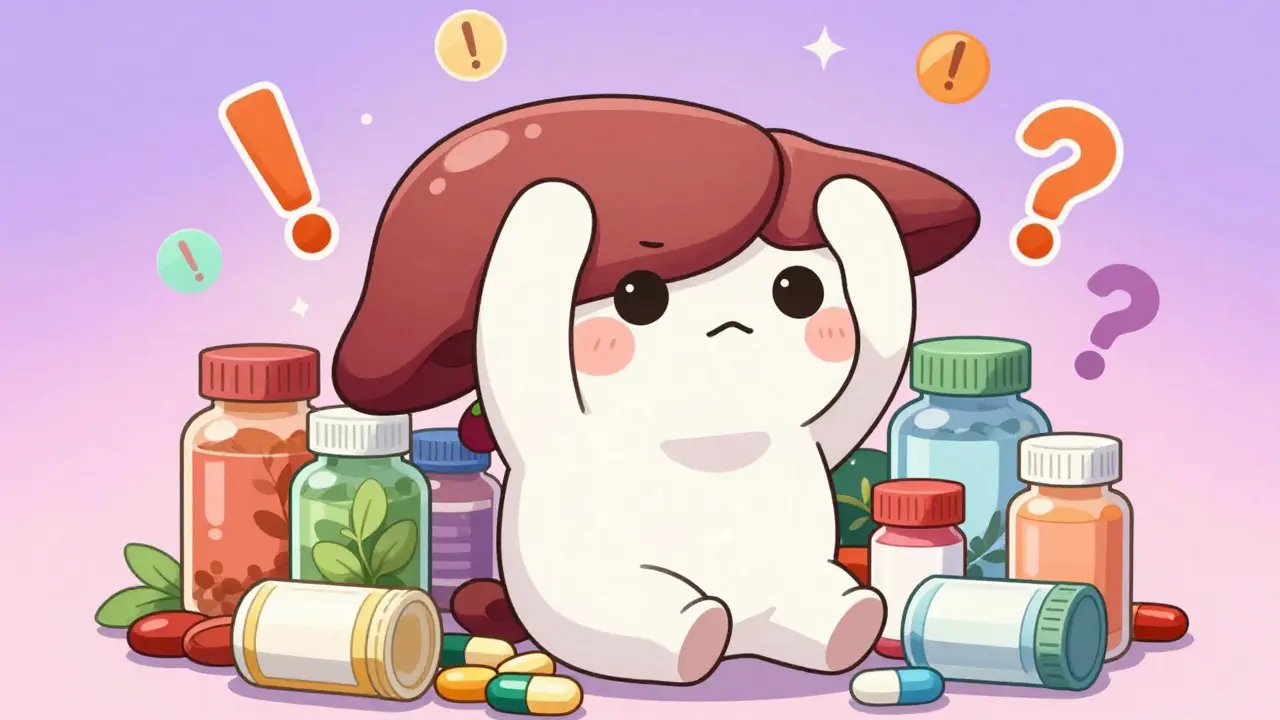
Your liver is a silent worker. It filters toxins, processes nutrients, and manages medications without making a sound-until it can’t. Medication-related liver damage, medically known as Drug-Induced Liver Injury (DILI), is a serious but often preventable condition where prescription drugs, over-the-counter painkillers, or even herbal supplements cause harm to your liver tissue. It’s not just a rare side effect; it accounts for roughly 5% to 10% of all adverse drug reactions reported to regulatory agencies. In the United States alone, this translates to thousands of new cases every year, with some studies suggesting incidence rates of up to 19 per 100,000 people annually in Western countries.
The scary part? You might not feel sick at first. Many patients dismiss early warning signs as fatigue or a mild stomach bug. By the time jaundice (yellowing of the skin) appears, significant damage may have already occurred. Understanding what causes this injury, recognizing the subtle red flags, and knowing exactly when to seek emergency care can be the difference between a quick recovery and long-term liver failure.
What Actually Causes Medication-Related Liver Damage?
It’s easy to assume that only heavy alcohol use or viral hepatitis harms the liver, but modern medicine has introduced its own set of risks. DILI happens when the liver struggles to process a specific substance, leading to cell death or inflammation. The culprits are surprisingly common.
Prescription Antibiotics: According to data from the Drug-Induced Liver Injury Network (DILIN), antibiotics are the leading cause of DILI, accounting for about 16% of cases. Amoxicillin-clavulanate (often sold under brand names like Augmentin) is the most frequent offender. This isn’t because the drug is "bad," but because certain individuals metabolize it in a way that creates toxic byproducts. The reaction typically shows up within one to eight weeks of starting the medication.
Pain Relievers: Acetaminophen (Tylenol/Paracetamol) is safe for millions of people daily, but it is also the number one cause of acute liver failure in the U.S. when taken in excess. Unlike antibiotics, which cause an unpredictable allergic-type reaction in some people, acetaminophen toxicity is dose-dependent. Taking more than 3,000 mg in a day (or 4,000 mg according to older FDA guidelines, though many doctors now recommend lower limits for safety) can overwhelm the liver’s ability to neutralize its toxic metabolite, NAPQI. This leads to rapid cell death.
Herbal Supplements: This is the growing blind spot. Many people believe "natural" means "safe." However, the British Liver Trust reports that herbal products cause about 20% of DILI cases in the UK. Green tea extract, kava, and turmeric supplements have been linked to severe liver injury. In fact, green tea extract alone is responsible for over a third of supplement-related liver injuries. These products are not regulated as strictly as pharmaceuticals, meaning dosage and purity can vary wildly, increasing the risk of toxicity.
| Drug Class / Product | Estimated Risk Profile | Typical Onset Time |
|---|---|---|
| Amoxicillin-Clavulanate (Antibiotic) | High (Most common cause of DILI) | 1-8 weeks after starting |
| Acetaminophen (Pain Reliever) | Dose-Dependent (Toxic if overdosed) | Within 24 hours of overdose |
| Green Tea Extract (Supplement) | Moderate-High (Unregulated potency) | Variable (Weeks to months) |
| Isoniazid (TB Medication) | Moderate (Requires monitoring) | First 3 months of treatment |
| Statins (Cholesterol Meds) | Very Low (<0.01% true injury rate) | Months to years (if any) |
The Silent Signs: What to Look For Before It Gets Bad
Liver damage doesn’t always announce itself with pain. The liver has few nerve endings, so you won’t feel it hurting until the capsule surrounding it stretches due to swelling. Instead, you need to watch for systemic clues that your body is struggling to filter waste.
- Unexplained Fatigue: If you’re exhausted despite getting enough sleep, and it started shortly after beginning a new medication, take note. This is often the very first sign.
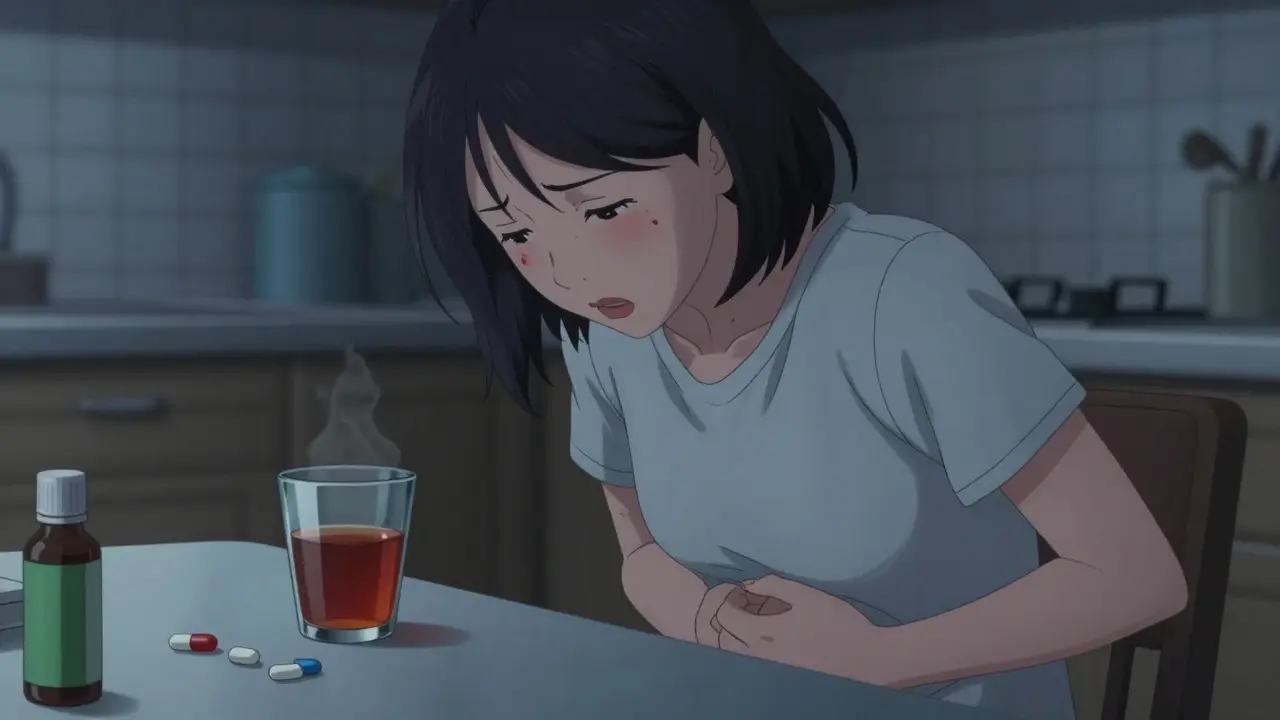
- Dark Urine: Your urine should be pale yellow. If it turns the color of tea or cola, it may indicate bilirubin buildup-a waste product the liver normally removes.
- Light-Colored Stools: Healthy stool gets its brown color from bile. Pale, clay-colored stools suggest bile flow is blocked or reduced.
- Itching (Pruritus): Severe, widespread itching without a rash is a classic sign of cholestatic liver injury (where bile flow is obstructed). Many patients report this symptom lasting for weeks before seeing a doctor.
- Nausea and Loss of Appetite: Feeling full quickly or having no desire to eat can signal liver inflammation.
- Right Upper Quadrant Pain: A dull ache or sharp pain under your right rib cage indicates liver swelling or irritation.
A critical pattern to recognize is the timeline. According to patient surveys, 76% of DILI patients experience symptoms within 30 days of starting the offending agent. If you start a new antibiotic, supplement, or painkiller and develop any combination of these symptoms within two months, do not ignore them.
When to Act: The Emergency Threshold
Knowing when to call your doctor versus when to go to the ER is crucial. Mild enzyme elevations might just require stopping the drug and waiting, but severe injury needs immediate intervention.
You should seek emergency medical care immediately if you experience jaundice (yellowing of the eyes or skin) along with any two of the following:
- Dark urine
- Pain in the upper right abdomen
- Persistent nausea or vomiting
If you are on high-risk medications like Isoniazid (used for tuberculosis) or certain anticonvulsants, your doctor should be monitoring your liver enzymes (ALT, AST, Alkaline Phosphatase) regularly. If your ALT levels rise to more than three times the upper limit of normal, your provider will likely advise stopping the medication immediately. Do not wait for the next scheduled blood test if you feel unwell.
Diagnosis: Why It’s Often Missed
Here is the frustrating reality: there is no single blood test that says, "Yes, this drug caused your liver damage." Doctors must rule out other causes like viral hepatitis (A, B, C), autoimmune diseases, and alcohol abuse. This process, called a diagnosis of exclusion, takes time. Studies show the average time from symptom onset to correct DILI diagnosis is 28 days. During those four weeks, patients often continue taking the harmful drug, worsening the injury.
To speed this up, hepatologists use tools like the RUCAM score (Roussel Uclaf Causality Assessment Method). This scoring system evaluates how likely a drug is the cause based on timing, known toxicity profiles, and whether symptoms improve after stopping the drug. While accurate, it requires expert interpretation. That’s why your role as the patient is vital: provide a complete list of everything you ingest, including vitamins, teas, and over-the-counter cold remedies.
Prevention: Protecting Your Liver in 2026
Preventing medication-related liver damage is largely about awareness and moderation. Here are actionable steps to keep your liver healthy while managing other health conditions.
- Respect the Acetaminophen Limit: Never exceed 3,000 mg per day unless explicitly directed by a specialist. Remember that cold medicines, flu remedies, and prescription painkillers often contain acetaminophen. Adding Tylenol on top of NyQuil can easily push you into toxic territory.
- Avoid Alcohol with Hepatotoxic Drugs: Drinking alcohol while taking medications that stress the liver multiplies the risk of injury by 3 to 5 times. If you are on antibiotics, statins, or pain relievers, skip the wine.
- Scrutinize Supplements: Just because it’s sold in a health food store doesn’t mean it’s liver-safe. Check labels for green tea extract, kava, and high-dose turmeric. If you choose to take them, look for brands that undergo third-party testing (like USP or NSF certification).
- Keep a Medication Log: Write down when you start new prescriptions or supplements. If you develop unusual symptoms, you’ll be able to pinpoint the timeline accurately, helping your doctor diagnose faster.
- Use Technology: New apps like DILI-Alert allow users to cross-reference medications against databases of hepatotoxic compounds. While not a replacement for medical advice, it’s a useful second opinion tool.
Remember, your liver is resilient. In most cases of DILI, if the offending drug is stopped early, the liver can regenerate and return to normal function. The key is vigilance. Don’t let "natural" or "common" lull you into a false sense of security. Pay attention to your body, speak up about changes, and act fast when the signs appear.
Can antibiotics really damage my liver?
Yes. Antibiotics, particularly amoxicillin-clavulanate, are the most common cause of drug-induced liver injury (DILI). They account for roughly 16% of all DILI cases. The damage usually occurs unpredictably in susceptible individuals within 1 to 8 weeks of starting the course. Symptoms may include fatigue, itching, and dark urine.
Is green tea extract safe for the liver?
Drinking brewed green tea is generally safe. However, concentrated green tea extract supplements have been linked to severe liver injury. In the UK, green tea extract is responsible for 37% of supplement-related liver damages. The high concentration of catechins in extracts can be toxic to liver cells in some people.
How much acetaminophen is too much?
For healthy adults, the maximum recommended daily dose is 3,000 mg (though some older guidelines said 4,000 mg). For people with existing liver disease or who drink alcohol regularly, the limit should be lower, often around 2,000 mg. Exceeding these limits can lead to acute liver failure within days.
What are the first signs of liver damage from medication?
Early signs are often subtle and include unexplained fatigue, loss of appetite, nausea, and mild abdominal discomfort. As damage progresses, you may notice dark urine, pale stools, intense itching, and jaundice (yellowing of the skin and eyes). Jaundice is a late sign indicating significant impairment.
Do statins cause liver failure?
Rarely. While statins can cause mild, temporary elevations in liver enzymes, true hepatotoxicity leading to liver failure is extremely uncommon, occurring in less than 0.01% of users. Current European guidelines emphasize that the cardiovascular benefits of statins far outweigh the minimal risk of liver injury.