
For people with weakened immune systems, common medications can turn minor health issues into life-threatening situations. This isn't just theoretical-it's a daily reality for millions. Understanding immunosuppressant risks is crucial for managing health safely.
What Does "Immunocompromised" Really Mean?
Immunocompromised patients are those whose immune systems don't function properly due to disease or medication. The Cleveland Clinic defines this as a condition where "your immune system isn't working as well as it should. You might get sick more often or more severely than others." This isn't limited to rare conditions. About 7.6% of Americans (24 million people) have autoimmune diseases requiring immunosuppressants, and millions more take these drugs after organ transplants or cancer treatments.
Common Medications and Their Specific Risks
| Drug Class | Common Examples | Primary Risks | Monitoring Required |
|---|---|---|---|
| Corticosteroids | Prednisone, Dexamethasone | 12.7% infection rate in studies; blunted fever response | Blood tests, dose adjustments |
| Conventional DMARDs | Methotrexate, Leflunomide | Liver toxicity, nausea, hair loss | Monthly blood counts and liver tests |
| Biologics | TNF inhibitors (e.g., Humira), Rituximab | High infection risk; herpes zoster reactivation | Regular blood work, vaccine checks |
Corticosteroids like prednisone weaken immune cells and reduce inflammation. At doses above 20mg daily for over two weeks, infection risk jumps significantly. A 2012 meta-analysis found corticosteroid users had a 12.7% infection rate versus 8% in placebo groups.
Methotrexate is a common DMARD for rheumatoid arthritis. About 50% of patients stop taking it within a year due to side effects like fatigue and mouth sores, yet 70% report effective disease control. Regular blood tests are critical because it can damage liver and kidneys.
Biologics like TNF inhibitors target specific immune pathways. They carry the highest infection risk among drug classes, with studies showing 2-3 times more serious infections than conventional DMARDs. Herpes zoster (shingles) reactivation is common.
Why Infections Look Different in Immunocompromised Patients
When your immune system is suppressed, infections don't always show typical symptoms. Corticosteroids can "blunt the typical clinical features of infection," as noted by Dr. Francisco Aberra and Dr. David Lichtenstein in 2005. This means no fever, or only mild fatigue, even with serious infections like pneumonia or sepsis.
For example, a patient on prednisone might ignore a cough that's actually early-stage pneumonia because they don't feel unusually sick. Pneumocystis jirovecii pneumonia (PCP) often presents without fever in immunocompromised individuals, making diagnosis harder. The CDC warns that vector-borne diseases like Lyme disease or West Nile virus also hit harder due to reduced immune response.

Practical Steps to Reduce Infection Risks
CDC guidelines for immunocompromised patients include simple but critical habits. Wash hands for at least 20 seconds with soap, focusing on nails and between fingers. Use alcohol-based sanitizer when soap isn't available. Wear masks in crowded places like grocery stores or public transit, especially during flu season.
Vaccination planning is essential. Arthritis Foundation recommends getting all routine vaccines before starting immunosuppressants. However, vaccine effectiveness may be lower during treatment. For example, flu shots still help but might not prevent illness as well as in healthy people.
Proper wound care matters too. Even small cuts can become dangerous. Clean cuts immediately with soap and water, apply antibiotic ointment, and cover with a bandage. See a doctor if redness or swelling develops.
Monitoring and Testing Protocols
Regular blood tests are non-negotiable. Methotrexate users need monthly complete blood counts (CBC) and liver function tests during initial treatment. This catches anemia or liver damage early. For biologics, doctors monitor white blood cell counts to spot neutropenia-a dangerous drop in infection-fighting cells.
Corticosteroid therapy requires tracking dose and duration. Long-term use above 20mg prednisone equivalent daily increases risks significantly. Doctors often reduce doses gradually to minimize complications.
Recent studies like the 2021 Johns Hopkins research show personalized monitoring works best. They found immunosuppressed patients had better-than-expected COVID-19 outcomes when managed with tailored protocols-proving one-size-fits-all approaches don't work.
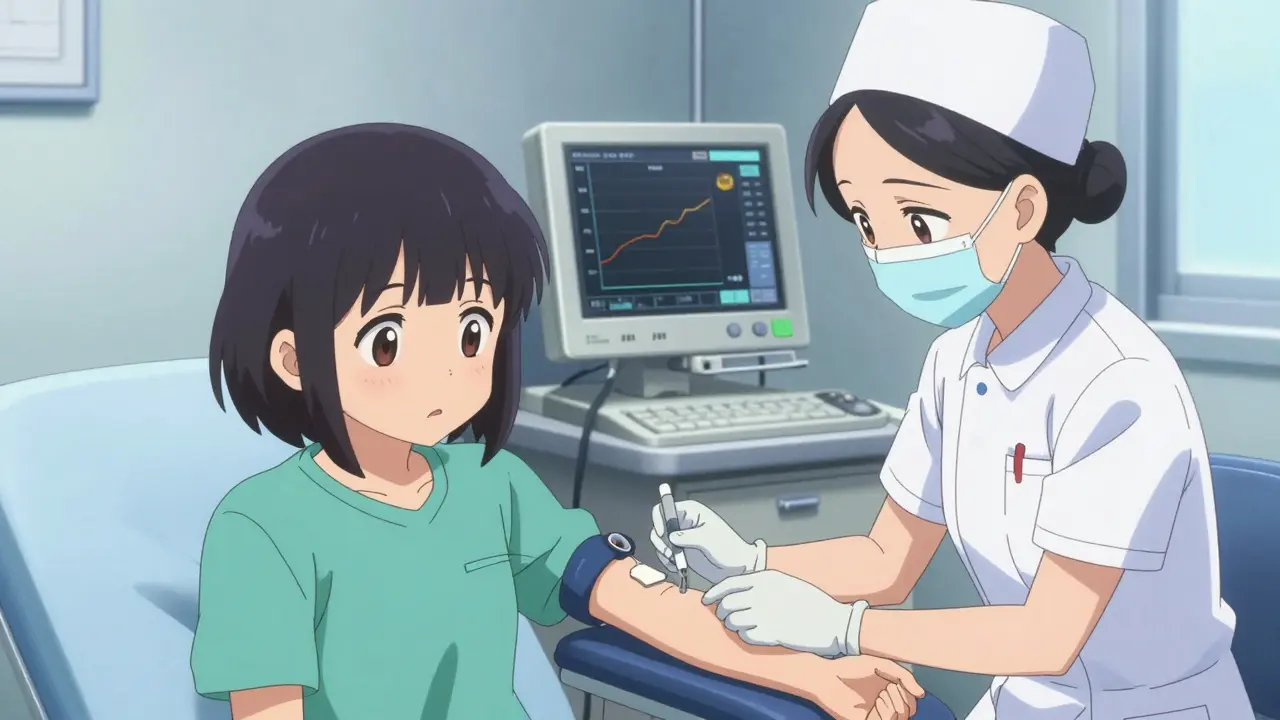
Real Patient Experiences and Lessons
Reddit communities like r/rheumatoidarthritis share raw stories. One user described hospitalization for shingles while on Humira, while another praised methotrexate for controlling their arthritis despite daily fatigue. Many mention "invisible" symptoms: "I felt fine but my blood test showed low white blood cells. That's why regular check-ups save lives."
Arthritis Foundation surveys show 65% of patients experience fatigue within 24 hours of taking methotrexate, but 70% say it's worth the trade-off. However, 30% report difficulty recognizing early infection signs due to medication masking symptoms. "I thought I was just tired until my fever spiked to 104°F-by then, I needed IV antibiotics," shared one patient.
Frequently Asked Questions
Can I still get vaccinated if I'm immunocompromised?
Yes, but timing matters. Get routine vaccines like flu shots before starting immunosuppressants whenever possible. During treatment, live vaccines (like MMR or shingles) are unsafe, but inactivated vaccines (like flu or COVID boosters) are still recommended. Your doctor will adjust schedules based on your specific medications and immune status.
What should I do if I feel sick while on immunosuppressants?
Don't wait for "classic" symptoms like high fever. Contact your doctor immediately for any unusual fatigue, chills, cough, or pain. Infections can escalate quickly in immunocompromised patients. Keep a symptom journal to track subtle changes-this helps doctors spot issues before they become emergencies.
Are there safer alternatives to immunosuppressants?
Some conditions have non-immunosuppressive options, but this depends on your diagnosis. For example, mild psoriasis might respond to topical creams instead of biologics. However, for severe autoimmune diseases or organ transplants, immunosuppressants are often essential. Work with your rheumatologist or specialist to weigh risks versus benefits for your specific case.
How often should I get blood tests?
It varies by medication. Methotrexate requires monthly blood tests for the first 3-6 months, then every 2-3 months if stable. Corticosteroid users typically need CBC and kidney function tests every 3 months. Biologics often need quarterly checks. Always follow your doctor's specific schedule-never skip tests to avoid "bad news."
Do immunosuppressants increase cancer risk?
Yes, but the risk is manageable. Long-term use of drugs like azathioprine or cyclophosphamide slightly raises skin cancer and lymphoma risk. However, the benefits usually outweigh this danger for serious conditions. Always use sunscreen daily, avoid tanning beds, and get annual skin checks. Your doctor will monitor for this during regular visits.
Savannah Edwards
February 7, 2026 AT 06:37As someone who's been on immunosuppressants for years, I can't stress enough how important regular blood work is. I remember once ignoring a mild headache and fatigue, thinking it was just stress, but it turned out to be an early sign of infection. My white blood cell count was dangerously low. Doctors always say "trust your gut" but it's hard when you feel fine. Corticosteroids like prednisone can mask symptoms-no fever, just exhaustion. That's why checking in with your rheumatologist regularly is crucial. Also, handwashing seems obvious but people skip it. CDC says 20 seconds with soap, especially under nails. I've seen people in the ER with infections from small cuts because they didn't clean them. And vaccines! I got my flu shot before starting biologics, but even then, it's not 100% effective. Still better than nothing. For shingles, the live vaccine is a no-go if you're on immunosuppressants. But the inactivated version helps. My friend on Humira had shingles and it was brutal. So yeah, stay vigilant. Skin cancer risk from some meds is real-sunscreen daily. Also, don't skip blood tests just because you're feeling okay. I did once and almost had a bad outcome. It's exhausting, but we have to be proactive. Communication with your healthcare team is key. And to everyone else: don't judge us for being cautious. We've been through it. We know the risks. Just trying to stay healthy. Thanks for sharing this info-it's a lifesaver for many of us.
Mayank Dobhal
February 7, 2026 AT 21:40Bro, this hits hard. I'm on methotrexate and sometimes forget to get blood tests. But yeah, I've had fatigue so bad I couldn't get out of bed. No fever though. Scary stuff. Gotta check my labs more often.
Marcus Jackson
February 9, 2026 AT 16:55Hey, the table in the post is super helpful. Corticosteroids at high doses really do increase infection risk. I read a study where prednisone over 20mg daily for two weeks had 12.7% infection rate. But what's often overlooked is the importance of monitoring for liver toxicity with methotrexate. Monthly blood tests catch issues early. Also, biologics like Humira need regular vaccine checks-especially for shingles. People forget that even if they feel fine, the meds can be silently damaging their immune system. So yeah, stay on top of those check-ups. It's not just about the medication; it's about the whole management plan.
Natasha Bhala
February 11, 2026 AT 10:00totally agree. i've been on methotrexate for 3 years and the fatigue is real.
but the blood tests saved me once when my liver enzymes were spiking.
i almost skipped the test because i felt fine but my dr insisted.
always listen to your doc.
also, wash hands like its your job.
i use sanitizer all the time.
and yeah, vaccines are tricky but better than nothing.
just dont skip the checkups.
its scary how easy it is to ignore symptoms when you're used to feeling off.
stay safe everyone
Gouris Patnaik
February 12, 2026 AT 06:52India's healthcare system is superior when it comes to managing immunocompromised patients. We don't have the same issues as the US with overprescription of biologics. Our doctors are more cautious and focus on natural remedies first. This article is very US-centric and ignores the global context. For example, in India, we use Ayurveda alongside conventional medicine, which reduces the need for harsh immunosuppressants. The West should learn from us.
Jesse Lord
February 13, 2026 AT 23:30Hey, I appreciate your perspective but I think it's oversimplified. Ayurveda has its place but for severe autoimmune diseases, immunosuppressants are necessary. Also, the US has made strides in personalized treatment protocols like Johns Hopkins mentioned. It's not about one system being better-it's about what works for the individual. We need to share knowledge globally. Maybe a better approach than judging which country is better.
AMIT JINDAL
February 14, 2026 AT 06:08Yo, this is fire! 🤯 The table breaks down the risks so clearly. Corticosteroids = bad for infections, methotrexate = liver issues, biologics = shingles risk. But honestly, the biggest takeaway for me is the part about infections not showing typical symptoms. Like, no fever but still pneumonia? That's wild. I've had friends on Humira who didn't realize they were sick until it was too late. So yeah, always get checked even if you feel fine. Also, handwashing is key but people don't do it right. Gotta scrub for 20 seconds. And vaccines-live ones are dangerous but inactivated are safe. Stay safe out there! 💯
Catherine Wybourne
February 15, 2026 AT 14:12Yes, the asymptomatic infection part is terrifying. I had a friend on rituximab who ignored a persistent cough for weeks because she didn't have a fever. Turned out to be PCP pneumonia. Scary stuff. Also, the CDC's advice on wound care is spot on-clean even small cuts immediately. I once had a paper cut that turned septic because I didn't take it seriously. Always better to be safe than sorry. And sunscreen! Skin cancer risk from some meds is real. Don't skip it. 😊
Ashley Hutchins
February 16, 2026 AT 04:27people need to stop being lazy about their health. if you're immunocompromised you should be getting blood tests every month no matter what. skipping them is asking for trouble. also vaccines are mandatory. why would you not get the flu shot? its free and easy. and stop using biologics unless absolutely necessary. the risks are too high. just take care of yourself properly. its not rocket science.
Niel Amstrong Stein
February 17, 2026 AT 02:17Hey, I get where you're coming from but it's not that simple. Some people have no choice but to use biologics for their condition. And skipping blood tests is dangerous, but it's not always about laziness-sometimes it's cost or access issues. The real issue is healthcare systems that don't support regular monitoring. We need better access to care, not just shaming people. Also, vaccines aren't always effective in immunocompromised folks, but they're still recommended. It's about doing what we can. Let's be supportive, not judgmental.
Paula Sa
February 17, 2026 AT 16:32totally agree. access to care is huge. i live in a rural area and it's hard to get regular blood work. my dr's office is hours away. but i try to make it happen because it's critical. also, the part about wound care is so important. even a tiny cut can become dangerous. i always clean mine right away and put antibiotic ointment. and yeah, vaccines are tricky but better than nothing. we all need to work together to support each other. it's tough but we can do it.
Mary Carroll Allen
February 19, 2026 AT 07:25Okay so I just got diagnosed with rheumatoid arthritis and started methotrexate. This article is super helpful but I have questions. Like, how do you know when to call the doctor? I feel tired all the time but is that normal? Also, the liver tests-do they hurt? I'm scared of needles. And what about the shingles vaccine? Can I get it while on methotrexate? I've been reading all these stories and it's overwhelming. Maybe someone can explain in simple terms. Like, what's the daily routine for staying safe?
Joey Gianvincenzi
February 21, 2026 AT 04:26Ms. Allen, it is imperative that you adhere strictly to your prescribed monitoring schedule. The discomfort of blood draws is negligible compared to the potential complications of untreated liver toxicity. Regarding the shingles vaccine, it is contraindicated during immunosuppressive therapy. You should consult your rheumatologist for specific guidance tailored to your condition. Additionally, fatigue is common with methotrexate but persistent symptoms warrant immediate medical evaluation. Your proactive inquiries are commendable, but please refrain from self-diagnosis. Follow your physician's instructions without deviation.
Amit Jain
February 22, 2026 AT 00:19lol this is so US-centric. in india we don't have these problems because we don't overuse biologics. we use ayurveda and traditional medicine. also, the whole "infection risk" thing is exaggerated. people are too scared of minor symptoms. just live your life. stop being so paranoid. also, why are you so worried about handwashing? it's not like you're in a hospital. be realistic.
Sarah B
February 23, 2026 AT 22:44US healthcare is better than India's. Get your shots.