High blood pressure affects nearly half of all adults in the U.S., and for many, medication is a daily necessity. But what happens when your blood pressure pill mixes with that ibuprofen you took for a headache? Or when your statin clashes with your beta-blocker? These aren’t hypothetical risks-they’re real, common, and sometimes life-threatening. Hypertension medications save lives, but they don’t work in isolation. When combined with other drugs-prescription, over-the-counter, or even herbal-they can become dangerous.
Why Drug Interactions Happen with Blood Pressure Meds
Not all drugs play nice together. Some interfere with how your body absorbs, breaks down, or responds to hypertension medications. Others add to their side effects, like low blood pressure, kidney damage, or dangerously high potassium levels. The problem isn’t just about taking too many pills-it’s about which ones you’re taking together. For example, NSAIDs like ibuprofen, naproxen, or even aspirin in high doses don’t just hurt your stomach. They block enzymes in your kidneys that help regulate blood pressure. This can cause fluid retention, reduce kidney function by 10-15%, and make your blood pressure meds work 5-10 mmHg less effectively. That might sound small, but in someone with heart disease, that’s enough to trigger a stroke or heart attack. Beta-blockers like metoprolol or propranolol are especially tricky. They interact with over 200 medications, including common antidepressants, heart medications like digoxin, and even alcohol. Mixing beta-blockers with alcohol can double your risk of dizziness and falls. Combine them with certain SSRIs or tricyclics, and you might see your heart rate drop dangerously low.Top 5 Dangerous Interactions You Need to Know
- NSAIDs + ACE Inhibitors/ARBs: This combo is one of the most common culprits behind treatment-resistant hypertension. NSAIDs cut the effectiveness of these blood pressure drugs by 7-12 mmHg systolic. Worse, they can spike potassium levels, especially in older adults or those with kidney issues. About 25-30% of patients on this combo develop hyperkalemia (potassium above 5.0 mEq/L), which can cause cardiac arrest.
- Calcium Channel Blockers + Statins: Amlodipine and diltiazem can boost simvastatin levels by up to 77%. The FDA warns that this increases the risk of rhabdomyolysis-a condition where muscle tissue breaks down and floods your kidneys with toxic proteins. If you’re on amlodipine, your simvastatin dose should never exceed 10 mg daily.
- ACE Inhibitors/ARBs + Potassium Supplements: These drugs already raise potassium naturally. Add a potassium salt substitute, a potassium pill, or even a high-potassium diet (think bananas, spinach, sweet potatoes), and you’re playing Russian roulette with your heart. Hyperkalemia from this combo is responsible for 1 in 5 hospitalizations among elderly hypertensive patients.
- Amiodarone + Simvastatin: Amiodarone, used for irregular heart rhythms, slows down how fast your liver breaks down simvastatin. At doses above 20 mg, this combination increases rhabdomyolysis risk by 5-7 times. Many doctors now avoid simvastatin entirely in patients on amiodarone.
- Beta-Blockers + Monoamine Oxidase Inhibitors (MAOIs): MAOIs are used for depression or Parkinson’s. When paired with beta-blockers, they can cause a sudden, dangerous spike in blood pressure-a hypertensive crisis. This isn’t rare. Studies show the risk jumps 3-5 times with this combo.
What About Over-the-Counter (OTC) Drugs?
You’d be surprised how many people don’t realize their daily pain reliever is sabotaging their blood pressure control. A 2023 FDA report found that 12% of emergency visits for adverse drug events in hypertensive patients involved OTC NSAIDs. And 78% of those cases were from common pills like Advil or Aleve. Even cold medicines can be risky. Many contain pseudoephedrine or phenylephrine-decongestants that raise blood pressure. If you’re on a beta-blocker or ACE inhibitor, these can undo weeks of careful management. Same goes for some herbal supplements. Licorice root, for example, mimics aldosterone and causes sodium retention, pushing blood pressure up. Ginseng can interfere with warfarin and raise BP. St. John’s Wort cuts the effectiveness of several antihypertensives by speeding up liver metabolism. Dr. Wanpen Vongpatanasin, a hypertension specialist, puts it bluntly: “Over-the-counter meds account for 15-20% of treatment-resistant hypertension cases. And NSAIDs are behind 60-70% of those.”
Who’s Most at Risk?
It’s not just seniors. But if you’re over 65, taking five or more medications, or have kidney disease, your risk skyrockets. About 40% of older adults with hypertension are on five or more drugs-often including diuretics, statins, antidepressants, and painkillers. Each new pill adds another chance for something to go wrong. People with diabetes or chronic kidney disease are especially vulnerable. Their kidneys are already under stress, so drugs that reduce blood flow to them (like NSAIDs) hit harder. And if you’re on lithium for bipolar disorder, combining it with an ACE inhibitor can cause lithium toxicity-leading to tremors, confusion, or even seizures. Even young adults aren’t immune. A 2023 study found that 18-35-year-olds who regularly took NSAIDs for sports injuries or menstrual pain had a 30% higher chance of their blood pressure meds failing to work.What Should You Do Instead?
If you’re on blood pressure medication and need pain relief, skip the NSAIDs. Acetaminophen (Tylenol) is your safest bet. It doesn’t interfere with blood pressure control and has minimal interaction risk. For inflammation, try non-pharmacological options: ice packs, physical therapy, or gentle stretching. For cold symptoms, look for products labeled “for high blood pressure.” These avoid decongestants. Use saline nasal sprays instead of oral decongestants. Talk to your pharmacist before buying anything-even if it’s labeled “natural.” If you’re on an ACE inhibitor or ARB, avoid potassium supplements and salt substitutes unless your doctor says it’s okay. Even then, get your potassium checked every 3-6 months. A simple blood test can catch trouble before it becomes an emergency.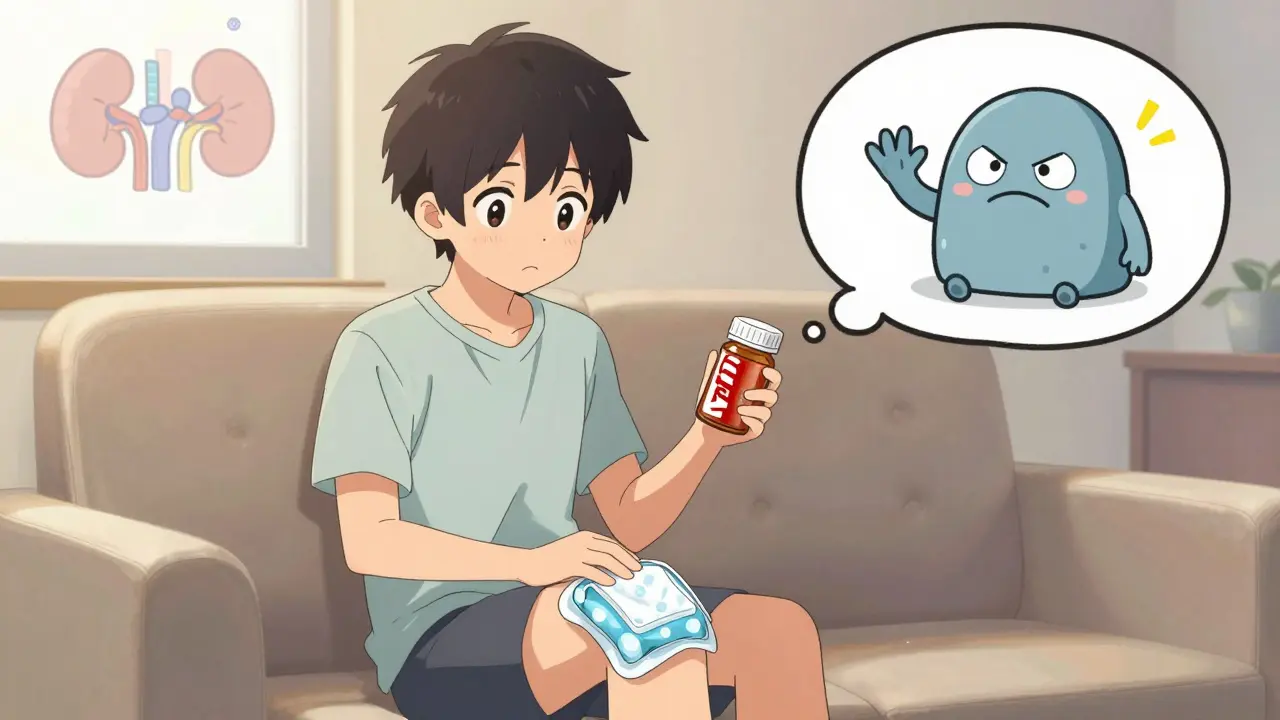
How Pharmacists Can Save Your Life
Your doctor might not know about every pill you take. But your pharmacist does. Studies show that pharmacist-led medication reviews reduce dangerous interactions by 40-45%. They check everything: prescriptions, OTC drugs, vitamins, supplements-even what you get from a friend or online. Ask your pharmacist for a full med review. Bring all your bottles-even the ones you don’t take every day. If you’ve ever had a hospital visit for high blood pressure, ask them to map out your drug interactions. Most pharmacies offer this service for free. Electronic alerts in medical systems catch about 60-65% of dangerous combos. But doctors get so many alerts that they start ignoring them. That’s why human review matters.Emerging Solutions: AI and Personalized Medicine
New tools are starting to help. The Mayo Clinic’s AI system predicted dangerous drug interactions with 88% accuracy-far better than older systems. It looks at your age, kidney function, genetics, and all your meds to flag risks before they happen. Genetic testing is also becoming more common. Some people metabolize metoprolol slowly due to CYP2D6 gene variants. When they take fluoxetine (an SSRI), their metoprolol levels spike, causing fatigue or low heart rate. A simple genetic test can tell you if you’re at risk-and adjust your dose before problems start. The American Heart Association has allocated $12.5 million to reduce these interactions by 25% over the next five years. That includes better tools, better training, and better patient education.What You Can Do Today
- Keep a written list of every medication, supplement, and OTC drug you take. Update it every time you change something.
- Bring that list to every doctor and pharmacist visit-even if you think it’s “just aspirin.”
- Ask: “Could this interact with my blood pressure meds?” Don’t assume it’s safe.
- Use acetaminophen for pain. Avoid NSAIDs unless absolutely necessary.
- Never start a new supplement without checking with your pharmacist.
- Get your potassium and kidney function tested every 6 months if you’re on an ACE inhibitor or ARB.
High blood pressure is manageable. But only if you control the whole picture-not just the pill in your hand. The biggest threat isn’t your blood pressure number. It’s what you’re mixing with your meds.
Can I take ibuprofen if I’m on blood pressure medication?
It’s not recommended. Ibuprofen and other NSAIDs can reduce the effectiveness of ACE inhibitors, ARBs, beta-blockers, and diuretics by 5-12 mmHg systolic. They also increase the risk of kidney damage and high potassium. Use acetaminophen (Tylenol) instead for pain relief.
Do all blood pressure medications have the same interaction risks?
No. ACE inhibitors and ARBs are most likely to cause high potassium when combined with NSAIDs or potassium supplements. Beta-blockers interact heavily with antidepressants and alcohol. Calcium channel blockers like amlodipine can dangerously raise statin levels. Each class has its own danger zones.
How do I know if a drug interaction is affecting my blood pressure?
If your blood pressure suddenly rises despite taking meds as prescribed, or if you feel dizzy, swollen, or unusually tired, an interaction could be the cause. Check if you’ve started a new OTC drug, supplement, or antibiotic in the last few days. Talk to your pharmacist or doctor immediately.
Are herbal supplements safe with hypertension meds?
Not always. Licorice root, ginseng, and St. John’s Wort can raise blood pressure or interfere with how your meds work. Even garlic and hawthorn can have unintended effects. Always check with your pharmacist before taking any herbal product.
Can I stop taking my blood pressure medication if I’m worried about interactions?
Never stop without talking to your doctor. Stopping suddenly can cause rebound hypertension, which is dangerous. Instead, review all your medications with your pharmacist and ask for safer alternatives. Most interactions can be avoided without stopping your treatment.
Nilesh Khedekar
March 19, 2026 AT 00:44They just want you scared.
And dont even get me started on 'herbal supplements'... garlic? really? thats what theyre worried about? lol.
Gaurav Kumar
March 19, 2026 AT 20:35Meanwhile in India, we just drink ginger tea, squat in the morning, and eat turmeric like candy. No ‘pharmacist review’ needed.
Your system is broken. Not your meds.
David Robinson
March 20, 2026 AT 05:59Let’s be real: 95% of people who take BP meds don’t even know what they’re on.
They just pop pills and Google ‘can i take advil with lisinopril’ and panic.
Meanwhile, the real problem? Doctors who prescribe 7 meds without ever checking for overlap.
It’s not the drugs. It’s the system.
And yes, I’ve worked in ER. I’ve seen the data. This isn’t a crisis. It’s a billing problem.
Jeremy Van Veelen
March 21, 2026 AT 21:52Not because of the science.
But because of the loneliness.
Imagine being 72, on 6 meds, scared to take Advil for your arthritis because some algorithm flagged a 1.2% risk…
And then your daughter says, ‘Mom, just use Tylenol.’
But you remember the last time you used Tylenol - you had to go to the ER because your liver was ‘stressed’.
So now you just… sit.
And hurt.
And wonder if you’re being poisoned by the very system that promised to save you.
💔
Laura Gabel
March 22, 2026 AT 09:56jerome Reverdy
March 23, 2026 AT 05:57Pharmacokinetics isn’t magic. It’s biochemistry.
When you layer CYP3A4 inhibitors, P-gp substrates, and renal excretion blockers? Yeah, you’re asking for trouble.
But here’s the real insight: the problem isn’t the drug combos. It’s the lack of polypharmacy literacy.
We train doctors to treat symptoms, not systems.
So we get 12 prescriptions, 7 supplements, and zero coordination.
The fix? Systemic. Not scary bullet points.
Pharmacists need to be embedded in primary care. Not just ‘available for free reviews’.
Andrew Mamone
March 24, 2026 AT 05:59My pharmacist flagged it immediately. Said my dose was too high. Changed my statin to pravastatin. No issues.
Also got my potassium checked. 4.1. All good.
Point is: if you’re on meds, talk to your pharmacist. They’re not just the guy who hands you pills. They’re your safety net. 🙌
Srividhya Srinivasan
March 25, 2026 AT 18:56They’re not just hiding the truth - they’re weaponizing it.
Did you know the FDA’s own internal memos from 2018 say NSAIDs are ‘low risk’ for BP patients under 60?
But now? Now it’s ‘LIFE-THREATENING’.
Why? Because Tylenol’s parent company owns 47% of the top 5 pharmacy chains.
And don’t even get me started on ‘potassium supplements’ - the same ones they ban, but sell in their own ‘heart-healthy’ brand.
It’s all a scheme.
They want you dependent.
They want you scared.
And they want you to pay for a ‘review’ every time you sneeze.
Wake up.
Prathamesh Ghodke
March 27, 2026 AT 00:00He also ate 3 bananas a day. Swallowed potassium pills like candy.
He’s 82. Still walks 10k steps.
So… what’s the real risk?
Maybe the article’s right.
But maybe… just maybe… humans aren’t lab rats.
Just saying.
Justin Archuletta
March 28, 2026 AT 12:00My mom almost died from hyperkalemia because she took a potassium salt substitute.
She didn’t even know it was in the ‘low sodium’ seasoning!
Now I make her write EVERYTHING down.
And I check with the pharmacist.
It’s not hard.
Just don’t assume.
EVERYTHING matters.
Sanjana Rajan
March 30, 2026 AT 07:14Guess what? I’m fine.
But apparently I’m a ‘statistically significant outlier’ because I don’t live in fear.
Meanwhile, my cousin took Tylenol and got liver failure.
So… which one’s the real danger?
Not the meds.
The fear.
Kyle Young
March 30, 2026 AT 21:34If a drug interaction can be ‘avoided’ with a pharmacist review - and that review costs $0 but requires time, attention, and institutional access - then safety is not a right.
It’s a privilege.
And those who lack the bandwidth to navigate 7 prescriptions, 3 supplements, 2 OTCs, and a pharmacy queue?
They’re not ‘at risk’.
They’re being systematically excluded.
Is this medicine? Or is this social stratification with a stethoscope?
Aileen Nasywa Shabira
March 31, 2026 AT 00:14So you’re telling me… that maybe… just maybe…
THEY’RE LYING?
Like… the whole ‘medicine is science’ thing?
NOOOOOOOO.
NOT THE DRUG COMPANIES.
NOT THE FDA.
NOT THE PHARMACISTS WHO JUST WANT TO SELL YOU MORE TESTS.
OH NO.
THIS ISN’T REAL.
THIS IS A SCAM.
WE’RE ALL JUST PUPPETS IN A BIG BLUE PHARMACY.
WHY DID NO ONE TELL ME?
...I’m crying now.
Kendrick Heyward
March 31, 2026 AT 06:14I take St. John’s Wort for depression.
I use licorice root tea for my stomach.
I’ve had 2 ER visits.
Both were ‘medication interaction’ related.
My doctor said I was ‘non-compliant’.
But I didn’t know.
And no one told me.
Not the nurse.
Not the pharmacist.
Not the website.
Just… me.
Alone.
With a bottle of pills and a Google search.
And now?
I’m scared to take anything.
Even water.