Geriatric Medication Risk Assessor
Patient Factors
Risk Assessment Result
Recommendations:
- Maintain current monitoring schedule.
- Ensure annual medication review with doctor.
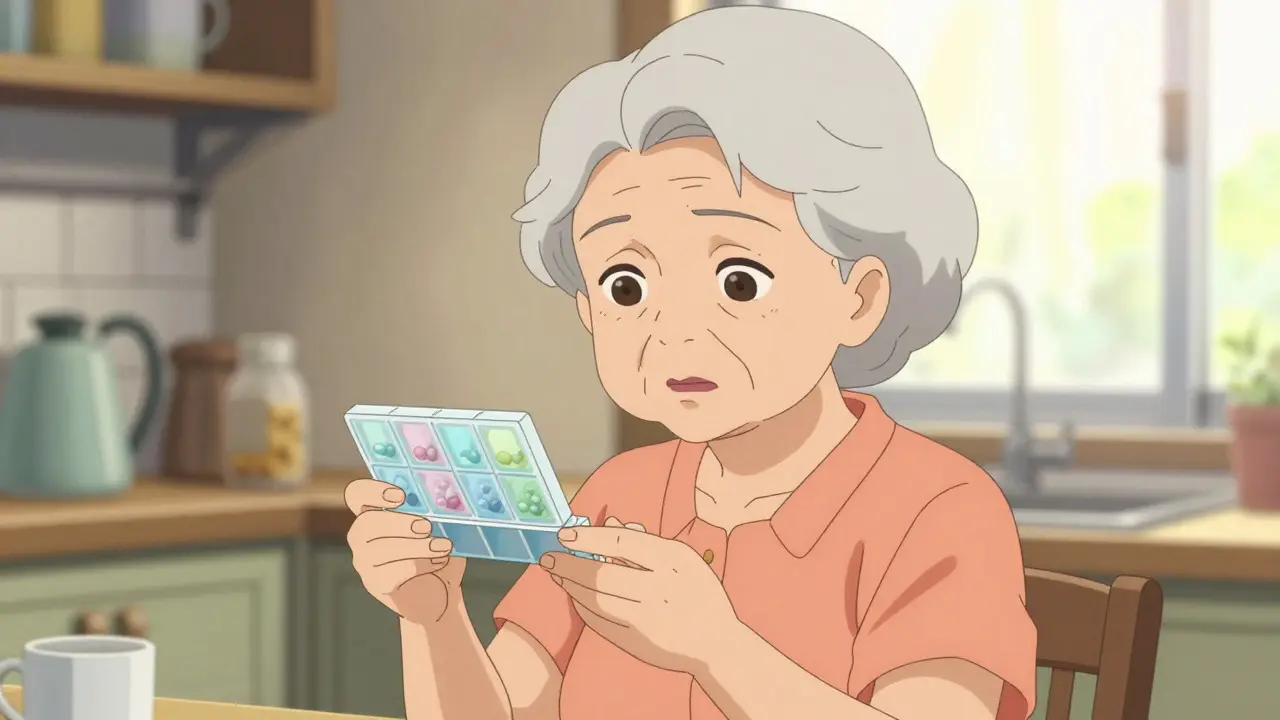
Imagine a 72-year-old woman named Martha. She takes eight different prescriptions for blood pressure, cholesterol, arthritis, and sleep. One morning, she feels dizzy and falls in her kitchen. The emergency room doctor finds nothing broken, but her blood tests show dangerously low sodium levels. The culprit? A common painkiller called tramadol, which interacts poorly with her other medications as kidney function naturally declines with age. This isn't just a hypothetical scenario; it’s a daily reality for millions of older adults.
We often think of aging as a natural process, but the way our bodies handle medicine changes drastically after 65. What works for a 40-year-old can be dangerous for an 80-year-old. Geriatric medication safety is no longer just a 'nice-to-have' clinical guideline-it is a critical survival strategy. With older adults making up nearly 17% of the U.S. population, understanding how to navigate these risks is essential for patients, families, and caregivers alike.
The Hidden Danger of Polypharmacy
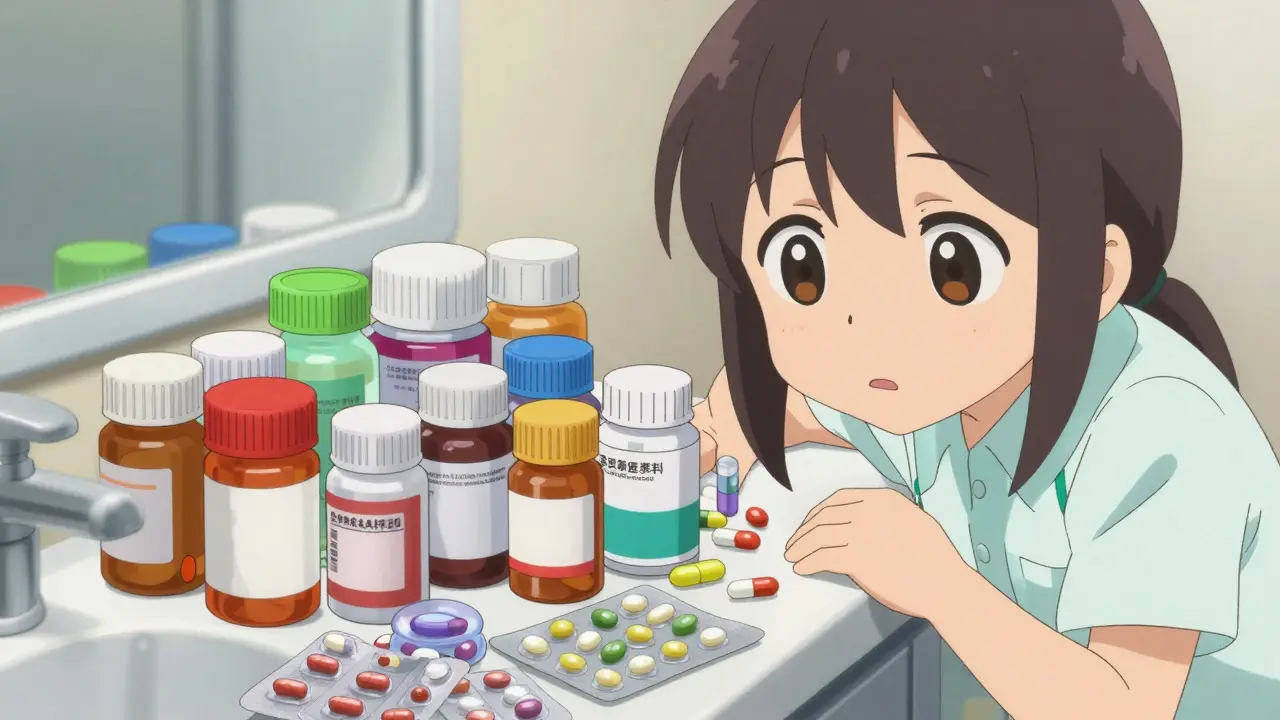
You might have heard the term polypharmacy, defined as the concurrent use of multiple medications by a single patient, typically five or more drugs. It sounds technical, but it’s simply taking too many pills. For older adults, this is a major red flag. Research shows that older patients are 91% more likely to be hospitalized due to adverse drug events (ADEs) compared to younger people. Why? Because aging bodies process chemicals differently.
As we age, our kidneys filter waste slower, and our liver metabolizes drugs less efficiently. This means medicines stay in the system longer, building up to toxic levels even at standard doses. Furthermore, the fat-to-muscle ratio changes, altering how certain drugs distribute throughout the body. When you add multiple medications into this mix, the risk of interactions skyrockets. A study published in JAMA Network Open (2025) found that every additional potentially inappropriate medication (PIM) increases the likelihood of functional decline by 26%. That doesn’t just mean feeling sick; it means losing the ability to walk, bathe, or live independently.
- Reduced Kidney Function: Slower clearance leads to drug accumulation.
- Altered Liver Metabolism: Drugs break down slower, increasing potency and side effects.
- Increased Sensitivity: Older brains react more strongly to sedatives and anticholinergics.
The Gold Standard: Understanding the Beers Criteria
So, how do doctors know which drugs are risky? They rely on the Beers Criteria®, which is an evidence-based list of potentially inappropriate medications for older adults developed by the American Geriatrics Society. First introduced in 1991 and updated every three years, this framework is the most cited reference in geriatrics. The latest 2023 iteration identifies 139 specific medications or classes that should generally be avoided in seniors.
The criteria aren't just a random list. They categorize drugs based on high-risk factors. For example, benzodiazepines like diazepam (Valium) are flagged because they significantly increase the risk of falls and confusion. Non-steroidal anti-inflammatory drugs (NSAIDs) like indomethacin are risky due to potential kidney damage and stomach bleeding. In 2023, the list was updated to include tramadol due to its link with hyponatremia (low sodium), a condition that can cause seizures in the elderly.
But here’s the catch: knowing what *not* to prescribe is only half the battle. For years, clinicians struggled with what to do instead. If you stop a sleeping pill, does the patient just suffer from insomnia? That gap has finally been bridged.
New Solutions: The AGS Alternatives List
In July 2025, the American Geriatrics Society (AGS) released a game-changing companion tool: the AGS Beers Criteria® Alternatives List, a resource providing evidence-based non-pharmacologic and pharmacologic alternatives to potentially inappropriate medications. Led by Dr. Michael Steinman, this list addresses the frustration many doctors felt-knowing a drug was bad but having no clear replacement plan.
This new list offers 47 alternative treatment options across 12 medication categories. Crucially, 38% of these recommendations are non-pharmacological. This means instead of swapping one pill for another, doctors are encouraged to try cognitive behavioral therapy for insomnia, physical therapy for pain, or dietary changes for blood pressure management. This shift recognizes that older adults often need holistic care, not just chemical fixes.
| Framework | Primary Focus | Key Strength | Limitation |
|---|---|---|---|
| Beers Criteria (AGS) | Potentially Inappropriate Medications (PIMs) | d>Widely integrated into EHR systems; highly citedDoes not always provide immediate alternatives | |
| STOPP/START | Inappropriate prescribing AND omitted treatments | Balanced approach (stops bad drugs, starts good ones) | Less automated integration in US hospitals |
| CMS Measure 238 | High-risk medication duplication in EDs | Mandatory regulatory compliance; tracks specific RxNorm codes | Focused only on emergency settings |
| GEMS-Rx | Emergency Department discharge safety | Simplified decision trees for urgent care | Limited scope to ED transitions |
The Role of Technology and Alert Fatigue
Hospitals are trying to keep up. The Centers for Medicare & Medicaid Services (CMS) now mandates that emergency departments track the percentage of patients over 65 prescribed high-risk medications (Measure 238). Electronic Health Records (EHRs) like Epic and Cerner have built-in alerts based on the Beers Criteria. In theory, this should prevent errors. In practice, it’s complicated.
Many physicians report suffering from 'alert fatigue.' If your computer warns you every time you prescribe warfarin to a 75-year-old-even when it’s clinically necessary-you start ignoring the warnings. A 2025 survey of emergency physicians found that 41% experienced significant alert fatigue, leading to override rates of up to 65%. The solution isn't just more alerts; it's smarter ones. The AGS is currently developing digital integration standards for early 2026 that use AI to understand clinical context, reducing false alarms.
However, technology alone isn't enough. Data shows that using computerized decision support alone reduces PIMs by only 22.1%. But when you add a multidisciplinary team-including clinical pharmacists and geriatricians-that number jumps to a 37.2% reduction. Human expertise remains irreplaceable.
Practical Steps for Families and Caregivers
If you’re caring for an older adult, you don’t need to be a pharmacist to help improve medication safety. You can take active steps during medical visits. Here is a simple checklist to ensure safety:
- Keep a Master List: Maintain an updated list of all prescriptions, over-the-counter drugs, and supplements. Include dosages and frequencies.
- Ask About Interactions: At every appointment, ask, "How does this new medication interact with what I’m already taking?"
- Question Necessity: Ask, "Is this medication still necessary? Can we lower the dose or try a non-drug alternative first?"
- Monitor for Side Effects: Watch for subtle signs like increased confusion, dizziness, or loss of appetite, which may indicate toxicity.
- Use One Pharmacy: Fill all prescriptions at the same pharmacy so their software can automatically check for interactions.
Deprescribing-the careful process of stopping or reducing medications-is becoming a standard part of geriatric care. It’s not about abandoning treatment; it’s about optimizing quality of life. A successful deprescribing program requires patience and close monitoring, but the results speak for themselves. Programs led by pharmacists have achieved deprescribing rates of up to 42%, significantly improving patient outcomes.
The Future of Geriatric Care
The landscape of elder care is shifting rapidly. By 2030, over 21% of the U.S. population will be aged 65 or older. The current system, which often treats symptoms rather than root causes, is unsustainable. The focus is moving toward 'seamless medication management' from the emergency room to primary care. Initiatives like the Johns A. Hartford Foundation’s 2025 roadmap emphasize integrating these safety protocols across all care settings.
While workforce shortages remain a challenge-with only 3.2% of pharmacists specializing in geriatrics-the push for standardized safety measures is stronger than ever. Regulatory penalties for adverse drug event readmissions are driving hospitals to adopt these frameworks. For patients and families, this means better protection, clearer communication, and a healthcare system that respects the unique needs of aging bodies.
What are Potentially Inappropriate Medications (PIMs)?
PIMs are drugs that pose greater risks than benefits for older adults due to age-related physiological changes. Examples include strong sedatives, certain antidepressants, and NSAIDs. They are identified using tools like the Beers Criteria.
How can I tell if my parent is experiencing adverse drug effects?
Look for sudden changes in behavior, such as increased confusion, memory lapses, dizziness, falls, or loss of appetite. These symptoms are often mistaken for normal aging or dementia but may actually be side effects of medication.
What is deprescribing?
Deprescribing is the systematic process of identifying and discontinuing medications that may be causing harm or are no longer beneficial. It should always be done under medical supervision to avoid withdrawal symptoms or rebound conditions.
Why are benzodiazepines risky for older adults?
Benzodiazepines (like Xanax or Valium) slow down brain activity. In older adults, this significantly increases the risk of falls, fractures, confusion, and long-term cognitive decline. Safer alternatives often involve therapy or lifestyle changes.
How often should medications be reviewed for seniors?
Medications should be reviewed at least once a year, or whenever a new drug is added. A comprehensive 'brown bag review,' where the patient brings all their pill bottles to the doctor, is highly recommended.