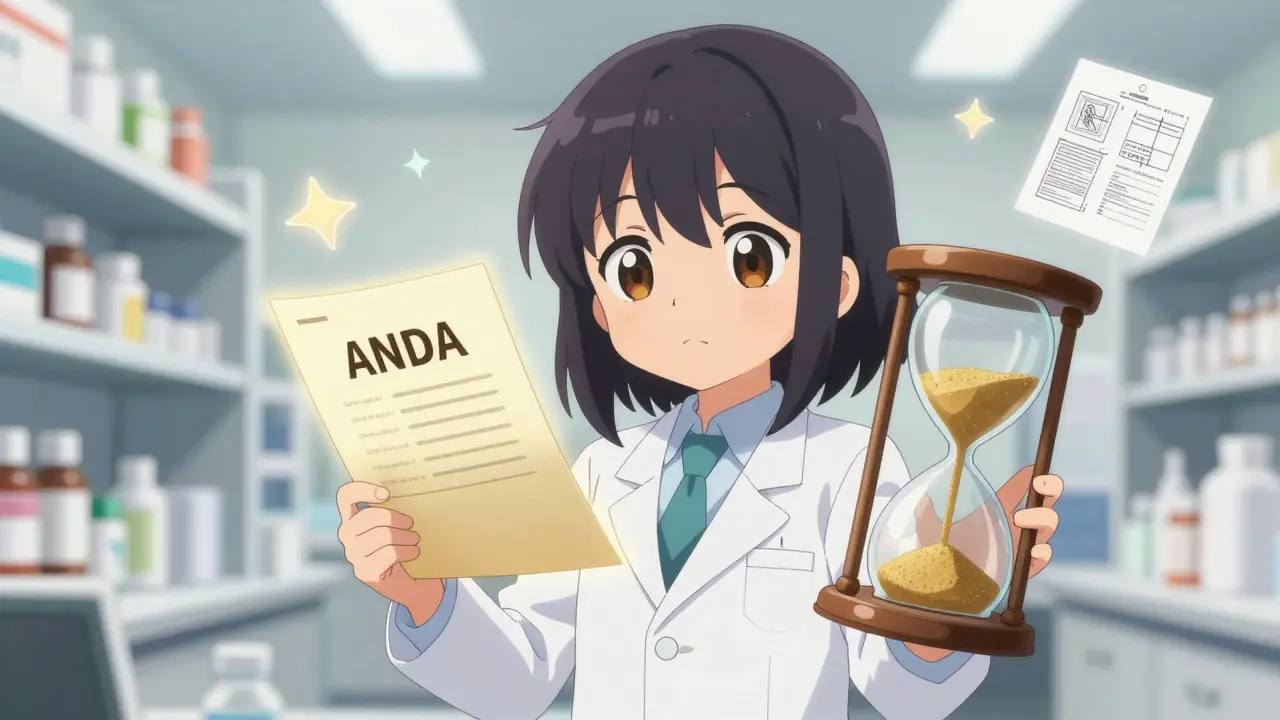
Imagine spending years and millions of dollars developing a generic version of a blockbuster drug, only to have your profits eaten away by competitors who waited in the wings. For pharmaceutical manufacturers, this is exactly why FDA's 180-day exclusivity is a critical market incentive that grants the first generic applicant a temporary monopoly on sales after challenging a brand-name patent. It is not just a regulatory technicality; it is the financial lifeline that makes high-stakes patent litigation worth the risk.
This provision, rooted in the Hatch-Waxman Act (officially the Drug Price Competition and Patent Term Restoration Act of 1984), was designed to balance two competing interests: rewarding innovation for brand-name companies while accelerating access to affordable generics for patients. Today, as we navigate the complex landscape of 2026, understanding how this exclusivity works-and where it breaks down-is essential for anyone involved in generic drug development.
How the 180-Day Clock Actually Starts
The core mechanism of this system is defined in Section 505(j)(5)(B)(iv) of the Federal Food, Drug, and Cosmetic Act. But here is the catch: the "180 days" do not start when you get approved. They start on the earliest of two specific events:
- The date the first applicant begins commercial marketing of the generic drug product.
- The date of a court decision finding the listed patent invalid, unenforceable, or not infringed.
This distinction matters immensely. In practice, many applicants trigger the clock via a court decision rather than actual sales. According to analysis from UC Berkeley Law published in May 2024, 22% of exclusivity periods begin running based on judicial rulings, often while appeals are still pending. This creates a scenario where the exclusivity period can effectively extend for years rather than the intended six months, blocking competition while no generic drug is actually available to consumers.
If multiple companies file an Abbreviated New Drug Application (ANDA) with a Paragraph IV certification is a legal declaration that the generic manufacturer believes the brand-name drug's patents are invalid, unenforceable, or will not be infringed on the same day, they are all considered "first applicants." They share the exclusivity period equally. However, if one company files even a day earlier, they capture the entire benefit-unless they forfeit it.
The High Stakes of Forfeiture
Winning the race to the FDA does not guarantee you keep the prize. The Medicare Modernization Act of 2003 introduced strict forfeiture provisions that have reshaped industry strategy. You can lose your 180-day exclusivity if you fail to meet specific deadlines:
- You must market the drug within 75 days of receiving a Notice of Commercial Marketing (NOCM) from another first applicant.
- You must obtain tentative approval within 30 months of submitting your patent challenge.
Data from the Generic Pharmaceutical Association reveals that approximately 35% of first applicants forfeit their rights due to failure to market within the required timeframe. The average forfeiture occurs 147 days after receiving tentative approval. Why would a company willingly give up a monopoly? Often, it is because supply chain issues, manufacturing delays, or strategic partnerships fall through. In other cases, companies delay launch intentionally to extend the effective exclusivity period during patent litigation appeals, a tactic criticized by the Federal Trade Commission (FTC).
For example, in the 2020 case involving apixaban generics, six manufacturers qualified as first applicants. Only three launched within the forfeiture window. The result? Shared exclusivity among the launching entities, leaving the others with nothing despite their early filings.
Financial Benefits and Market Dynamics
So, what is the actual value of holding this exclusivity? The numbers are compelling. During the 180-day period, generic drugs typically launch at 15-20% of the brand-name price. Once multiple generics enter the market post-exclusivity, prices drop further to 9-12% of brand costs, according to a 2023 study by the Rand Corporation.
That initial premium allows the first entrant to recoup R&D and litigation costs quickly. In the $70 billion U.S. generic pharmaceutical market, which has grown at a compound annual growth rate of 4.2% since 2010, this head start can mean hundreds of millions in revenue. However, the benefits are increasingly concentrated. IQVIA data shows that the top five generic manufacturers-Teva, Viatris, Sandoz, Amneal, and Hikma-captured 58% of all 180-day exclusivity periods awarded between 2018 and 2023. For smaller players, the barrier to entry remains high, yet the exclusivity remains their primary incentive. A 2024 report from the FDA’s Small Business Assistance division noted that 63% of small generic manufacturers cite this provision as the key reason they pursue Paragraph IV challenges.
| Feature | Current System (Hatch-Waxman) | Proposed CGT Model |
|---|---|---|
| Trigger Event | Court decision OR commercial marketing | Commercial marketing only |
| Duration Reality | Can extend for years due to litigation delays | Exactly 180 days from launch |
| Incentive Alignment | Perverse incentives to delay launch | Encourages immediate market entry |
| Legislative Status | Active (subject to reform proposals) | Proposed in FDA 2022 legislative plan |
The Push for Reform: The CGT Model
The current system is under fire. Critics argue it has been "gamed" by both brand and generic manufacturers to delay competition. Dr. Aaron S. Kesselheim, Professor of Medicine at Harvard Medical School, testified before the Senate Judiciary Committee in June 2022, stating that these tactics cost patients $13 billion annually in excess expenses. The FTC’s 2021 Report identified 147 instances between 2015 and 2020 where the exclusivity period was manipulated to block competition.
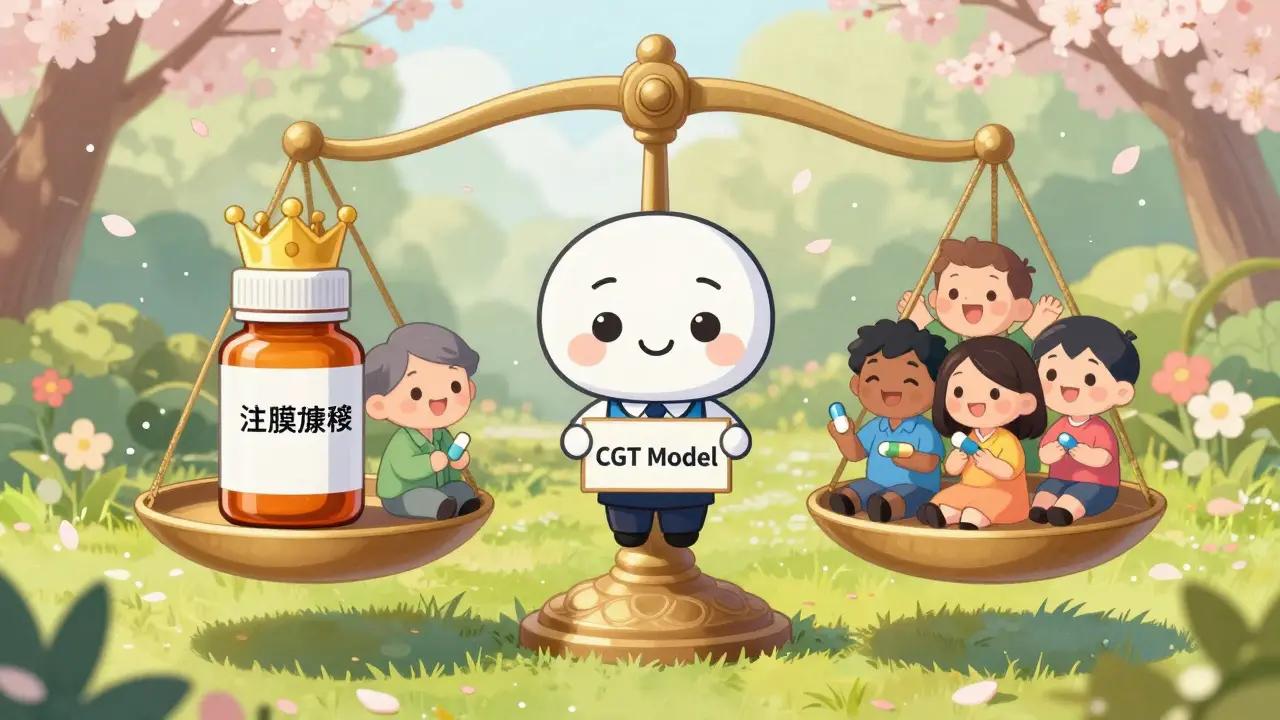
In response, the FDA proposed adopting the Competitive Generic Therapy (CGT) model, established by the FDA Reauthorization Act of 2017. Under this model, the 180-day clock starts only upon the first commercial marketing of the drug. This ensures the exclusivity lasts exactly 180 days from launch, eliminating the loophole where the clock runs during lengthy appeals processes. Senator Chuck Grassley’s Preserve Access to Affordable Generics and Biosimilars Act (S. 202), introduced in February 2023, includes similar provisions to prevent "sham" certifications.
If implemented, the Congressional Budget Office estimates this change would accelerate generic competition by an average of 8.2 months per drug, generating $5.3 billion in annual savings. However, generic manufacturers warn this could reduce the financial incentive for high-risk patent challenges, potentially slowing down future generic entries.
Strategic Considerations for Manufacturers
For generic developers, navigating this landscape requires precision. Here are three critical steps to maximize the value of 180-day exclusivity:
- File Early and Accurately: Ensure your Paragraph IV certification is robust. Legal experts at Foley Hoag LLP note that the average time from certification to first commercial marketing is 42 months, with 68% of cases involving patent litigation. A weak challenge leads to dismissal and lost time.
- Prepare Supply Chains Before Approval: Do not wait for tentative approval to secure raw materials. With a 75-day marketing deadline after NOCM, any manufacturing delay can trigger forfeiture.
- Monitor Competitor Filings: If you are not the sole first applicant, coordinate closely with other filers. Misalignment in launch dates can lead to shared exclusivity or accidental forfeiture.
Remember, the goal is not just to win the patent battle but to bring the drug to market efficiently. The 180-day window is short, and the margin for error is slim.
What happens if I don't market my generic drug within 75 days?
You will forfeit your 180-day exclusivity rights. This means other generic manufacturers who filed later can enter the market immediately, eroding your potential profits. The FDA strictly enforces this timeline to ensure patient access to affordable medications.
Can multiple companies share the 180-day exclusivity?
Yes. If multiple companies submit their ANDAs with Paragraph IV certifications on the same day, they are all considered "first applicants." They share the exclusivity period equally, provided they all meet the marketing requirements.
Is the 180-day exclusivity guaranteed once I file my ANDA?
No. Filing is just the first step. You must win the patent litigation or settle, receive tentative approval from the FDA, and then successfully market the drug within the statutory timelines. Failure at any stage can result in loss of exclusivity.
How does the CGT model differ from the current system?
The CGT model triggers the 180-day clock only upon commercial marketing, whereas the current system can trigger it via a court decision. This prevents manufacturers from delaying launches to extend the exclusivity period artificially.
Why do some companies choose to forfeit exclusivity?
Sometimes, companies face insurmountable supply chain issues or manufacturing defects. In other cases, they may strategically delay launch to maintain higher prices during litigation appeals, though this carries significant legal and reputational risks.
Tumble Farm
June 24, 2026 AT 06:54The CGT model is the only logical path forward because it aligns incentives with actual patient access rather than legal maneuvering. The current system allows companies to trigger the clock via court decisions while sitting on the drug, which is essentially holding patients hostage for higher margins. We need legislation that forces the clock to start at commercial marketing so we get generics faster.
Sonam Norbu
June 26, 2026 AT 03:03This whole debate misses the point that American innovation drives global standards and we should not be coddling foreign manufacturers who want to free ride on our R&D spending. The FDA rules are strict enough already and any further dilution of exclusivity will hurt domestic pharmaceutical jobs and capital investment in US based manufacturing facilities.
KESHAV KUMAR
June 27, 2026 AT 12:54Oh look another article pretending that 'generic' means cheap when half these companies just raise prices by 500% once they have a monopoly even if it is only for six months. It is hilarious how everyone acts like this is about patient care when it is really just about which corporate lawyer can file the fastest paperwork.
Alex Johnston
June 29, 2026 AT 04:47You all are missing the deeper conspiracy here where the big pharma lobbies actually wrote the Hatch-Waxman act to create a controlled opposition that keeps prices artificially high while pretending to compete. The 180 day window is just a smokescreen to allow them to coordinate launch dates and suppress true market disruption from smaller independent labs that do not play ball with the cartel.
Amy Bogdahn
June 30, 2026 AT 16:07Typical industry nonsense designed to protect profits over people. These companies forfeit rights intentionally because they know the game better than the regulators. Stop letting them dictate healthcare policy.
Koushiki Behera
July 2, 2026 AT 14:11It is fascinating how the structure of incentives shapes human behavior in such predictable yet destructive ways 🌿 When we reward delay over delivery we create a system that values legal technicalities over healing. Perhaps we need to rethink what success looks like in pharmaceutical development entirely 💊✨
Sam Dudgeon
July 4, 2026 AT 11:09i mean honestly why are we even surprised that corporations will exploit every loophole available to them its basic capitalism 101 but sure lets pretend that changing the trigger date will magically fix greed without addressing the root cause of profit driven medicine
Hafiz Omeiza
July 5, 2026 AT 20:12The moral obligation of pharmaceutical entities extends beyond mere compliance with regulatory frameworks to encompass a broader duty to ensure equitable access to life saving medications. The current exploitation of the 180-day exclusivity period represents a failure of ethical stewardship wherein financial gain is prioritized over public health outcomes. It is imperative that stakeholders recognize that patent protections are temporary social contracts granted in exchange for innovation disclosure not perpetual monopolies designed to extract maximum consumer surplus. The proposed reforms under the CGT model represent a necessary correction to restore balance between private incentive and public good. Furthermore the data indicating that top manufacturers capture the majority of exclusivity periods highlights a systemic concentration of power that undermines competitive markets. We must advocate for stricter enforcement of forfeiture provisions and eliminate ambiguities that allow strategic delays. The integrity of our healthcare system depends on rigorous adherence to principles of fairness and transparency in generic drug approval processes.
Dez Johnston
July 6, 2026 AT 03:52I appreciate the detailed breakdown of the forfeiture rules because it clarifies why some companies seem to disappear after filing. It makes sense that supply chain issues would be a legitimate reason for delay but the intentional stalling during appeals is hard to justify ethically. I think more transparency around the reasons for forfeiture would help consumers understand the landscape better.
Ashley Jacelyn
July 7, 2026 AT 17:54I really hope the CGT model gets implemented because waiting years for a generic to launch when the patent challenge was won years ago is incredibly frustrating for patients. Every day of delay is someone paying too much for their medication. Let us keep pushing for policies that prioritize immediate access.
Bruno Sarri
July 8, 2026 AT 11:03Thanks for sharing this perspective on the 180-day exclusivity. It is important to consider both the business realities and the patient impact when discussing these regulations.