Imagine needing a specific chemotherapy drug for your treatment, only to find out the hospital has none in stock and the next shipment is months away. This isn't a rare glitch; it's a growing reality driven by complex drug shortage predictions. As we move through 2026, healthcare providers and patients are increasingly relying on data-driven forecasts to anticipate these gaps before they become critical emergencies.
The core problem isn't just that we run out of pills. It’s that the global supply chain for medicines is fragile, reacting slowly to shifts in raw materials, manufacturing capacity, and regulatory approvals. By understanding how experts forecast future scarcity, you can better prepare for disruptions, whether you're a patient managing chronic conditions or a pharmacist stocking shelves.
Why Drug Shortages Are Harder to Predict Than Other Goods
Unlike consumer electronics or clothing, pharmaceuticals have unique constraints that make standard economic forecasting less effective. The primary driver is the concentration of production. For many essential drugs, only one or two manufacturers hold the market share globally. If a single factory in India or Ireland faces a quality control issue, the entire world feels the impact.
This fragility is compounded by regulatory hurdles. The U.S. Food and Drug Administration (FDA) maintains a list of active drug shortages, but this list is reactive, not predictive. It tells you what is missing today, not what will be missing next year. To bridge this gap, analysts now use multi-variable models that track:
- Active Pharmaceutical Ingredient (API) availability: Tracking raw material stocks in key producing regions like China and India.
- Manufacturing yield rates: Monitoring success rates in sterile filling and tablet compression lines.
- Regulatory approval timelines: Estimating how long it takes for new generic competitors to enter the market.
- Demand spikes: Projecting increases in usage due to seasonal illnesses or new clinical guidelines.
When these factors align negatively, a shortage prediction becomes highly probable. For instance, if a major API supplier raises prices by 20% due to energy costs, smaller generic manufacturers may halt production, leading to a predicted shortage within six to twelve months.
The Role of Data in Modern Scarcity Forecasting
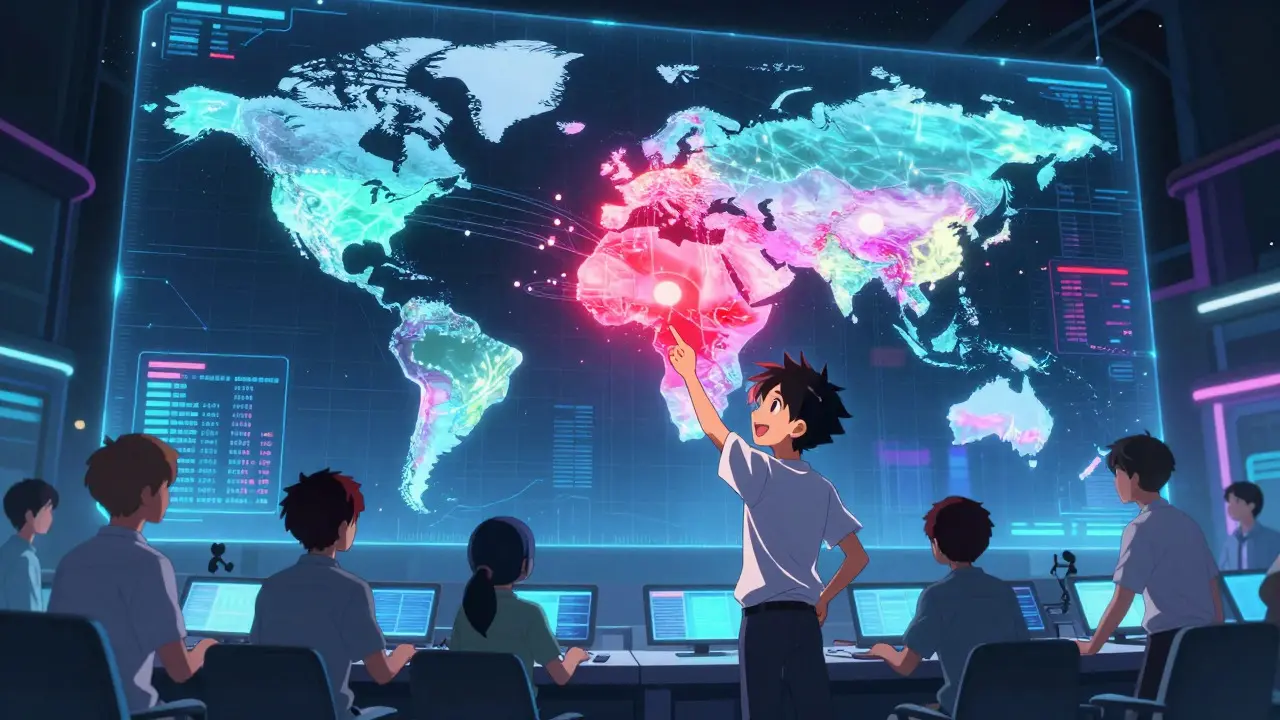
Modern forecasting relies heavily on real-time data integration. In the past, hospitals relied on phone calls to wholesalers. Today, digital platforms aggregate data from multiple sources to create a 'scarcity heat map.' This approach allows stakeholders to see patterns that were previously invisible.
Key data points include inventory levels at wholesale distributors, prescription volume trends, and even social media sentiment from healthcare workers reporting stockouts. A notable trend observed in recent years is the correlation between extreme weather events and supply chain delays. Hurricanes disrupting port operations in Southeast Asia, for example, can delay API shipments, triggering a cascade of shortage warnings downstream.
Furthermore, demographic shifts play a significant role. As the population ages, demand for medications like insulin, anticoagulants, and immunosuppressants rises steadily. Forecasters must account for this baseline growth while adjusting for sudden changes in prescribing habits. For example, when a new guideline recommends a different drug class for hypertension, the old drug sees a demand drop, potentially leading to overstocking and waste, while the new drug faces immediate supply pressure.
Comparing Traditional vs. Predictive Approaches
To understand the value of advanced forecasting, let's compare traditional methods with modern predictive analytics.
| Feature | Traditional Reactive Method | Predictive Analytics Approach |
|---|---|---|
| Data Source | FDA shortage lists, wholesaler alerts | API tracking, weather data, sales velocity, regulatory filings |
| Time Horizon | Current status (0-1 month) | Forward-looking (3-18 months) |
| Accuracy | High for current stockouts, low for future risks | Moderate to high for identifying emerging risks |
| Action Type | Emergency sourcing, substitution | Strategic stockpiling, contract renegotiation |
| Cost Efficiency | High emergency premiums | Lower long-term costs via planned procurement |
The shift from reactive to predictive allows organizations to negotiate better contracts and secure alternative suppliers before a crisis hits. This proactive stance is crucial for maintaining continuity of care.
Practical Steps for Patients and Providers
If you are a patient or a healthcare provider, you don't need to build your own algorithm to benefit from these insights. Here are practical steps to mitigate the risk of running out of medication:
- Check the FDA Shortage List Monthly: While reactive, it provides a baseline of known issues. Look for drugs marked as "shortage" or "potential shortage."
- Ask About Generic Alternatives Early: Before a shortage hits, ask your doctor if there are therapeutically equivalent generics available. Having a backup plan saves time during a crisis.
- Stockpile When Safe: For stable chronic conditions, ask your pharmacy if it's safe to get a 90-day supply instead of a 30-day one. This buffers against minor supply hiccups.
- Monitor Local Pharmacy Inventory: Some pharmacies use software that flags incoming stockouts. Ask your pharmacist if they have visibility into their next few weeks' deliveries.
- Stay Informed on Global Events: Major geopolitical shifts or natural disasters in key manufacturing hubs (like India or Germany) often precede specific drug shortages. News outlets covering pharma supply chains can provide early warnings.
For providers, integrating predictive tools into electronic health records (EHRs) is becoming standard. These tools can alert prescribers when a commonly prescribed drug is facing high shortage risk, prompting them to switch prescriptions proactively rather than waiting for the first patient to call in an unfilled script.
The Impact of Climate Change and Geopolitics
You can't talk about future scarcity without mentioning external forces. Climate change is no longer just an environmental concern; it's a supply chain variable. Increased frequency of floods and droughts affects the agricultural yields used for plant-based APIs and disrupts transportation routes. For example, rising sea levels threatening coastal ports in Asia could add weeks to shipping times for critical vaccines and antibiotics.
Geopolitical tensions also play a massive role. Trade disputes between major economies can lead to tariffs on APIs or finished goods. If the U.S. imposes higher duties on Indian-manufactured drugs, prices rise, and some manufacturers may reduce output, creating artificial scarcity. Forecasters now include geopolitical risk scores in their models, treating trade policy changes as potential triggers for shortage waves.
Additionally, the push for domestic manufacturing in countries like the U.S. aims to reduce reliance on foreign suppliers. While this increases resilience in the long term, the transition period often creates temporary bottlenecks as new factories ramp up production. Understanding this timeline helps set realistic expectations for when certain drugs might become more reliably available.

Common Pitfalls in Interpreting Shortage Warnings
Not all shortage warnings mean you'll run out of meds. One common pitfall is confusing a "potential shortage" with an actual stockout. A potential shortage indicates that supply is tight and may not meet demand, but it doesn't guarantee zero inventory. Another mistake is assuming that a shortage in one region means a global crisis. Often, shortages are localized due to specific distribution issues rather than total production failure.
Also, be wary of panic buying. While having a buffer is smart, hoarding excessive amounts can lead to expiration waste and strain local pharmacy inventories, making it harder for other patients to access the medication. Stick to recommended buffer sizes, typically 1-2 months extra for stable conditions, unless advised otherwise by your doctor.
Frequently Asked Questions
How accurate are drug shortage predictions?
Predictions vary in accuracy depending on the data source. For drugs with single-source manufacturing, predictions based on API tracking are highly accurate (often 80-90%). For widely produced generics, predictions are less precise because multiple suppliers can step in to fill gaps. Always treat predictions as probabilities, not certainties.
What should I do if my medication is listed as a potential shortage?
Contact your pharmacist immediately to check current local inventory. Ask your doctor about therapeutic alternatives that are not affected by the shortage. Consider getting a 90-day supply if your insurance permits it. Do not stop taking your medication without consulting your healthcare provider.
Do climate change events really affect drug supplies?
Yes. Extreme weather can damage manufacturing facilities, disrupt shipping routes, and affect the harvest of plant-based ingredients. For example, typhoons in Southeast Asia have historically delayed API shipments, leading to downstream shortages in North America and Europe within 3-6 months.
Is it worth paying more for brand-name drugs to avoid shortages?
Sometimes, yes. Brand-name drugs often have larger, more diversified supply chains compared to niche generic manufacturers. However, cost is a factor. Discuss with your doctor and pharmacist whether the price difference is justified by the increased reliability for your specific condition.
Where can I find reliable data on upcoming drug shortages?
The FDA's official Drug Shortages page is the primary public resource. For deeper insights, look at reports from major pharmaceutical industry associations and news outlets specializing in healthcare supply chains. Your local pharmacy's internal systems may also offer more granular, real-time data than public lists.