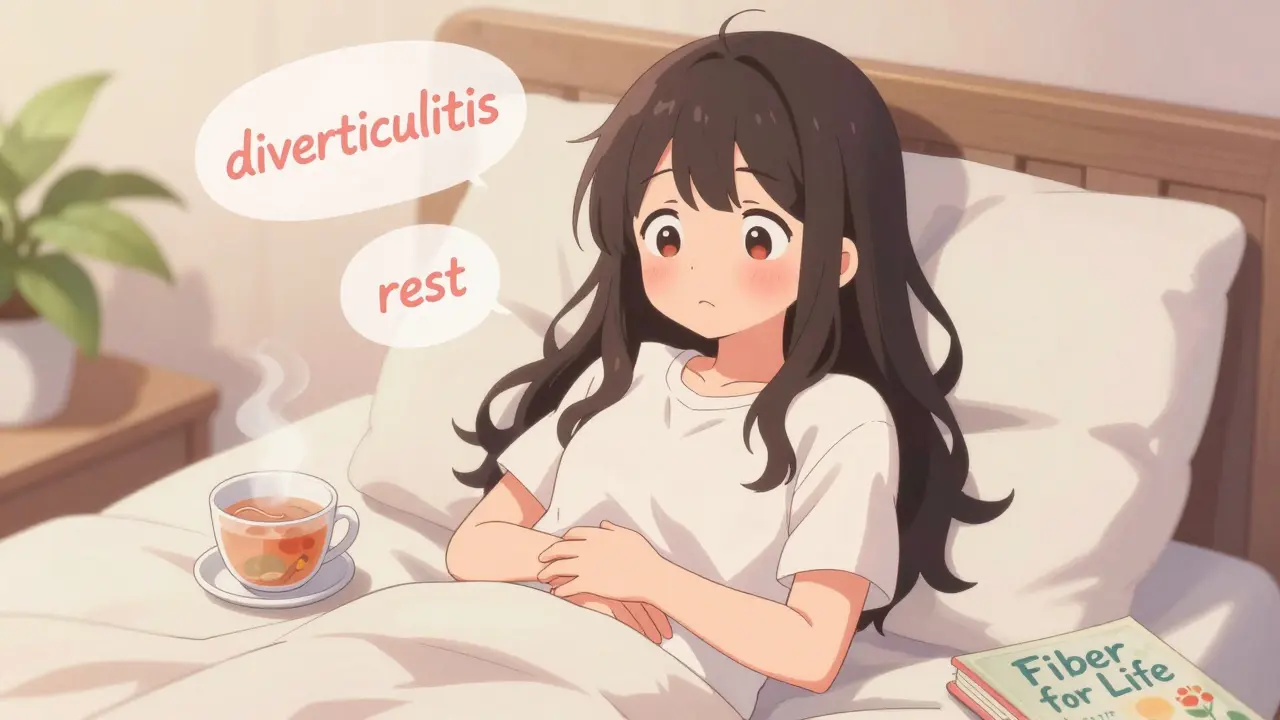
When you feel a sharp, constant pain in your lower left abdomen, maybe with a fever or nausea, it’s easy to blame it on gas or a bad meal. But if it doesn’t go away after a day or two, it could be something more serious: diverticulitis. This isn’t just a stomachache-it’s an infection or inflammation of small pouches in your colon. And while it’s often talked about as an older person’s problem, more and more people under 45 are getting it too.
What Exactly Are Diverticula?
Diverticula are tiny, balloon-like sacs that poke out from the wall of your colon. Think of them like weak spots in a tire that bulge under pressure. They’re not cancerous, and they don’t cause problems on their own. When they’re just there without inflammation, it’s called diverticulosis. About 58% of people over 60 have them. But when one of those pouches gets blocked by stool or bacteria, it can swell, get infected, and turn into diverticulitis.The good news? Most people with diverticulosis never develop diverticulitis. The bad news? Once you have an attack, there’s a 15-30% chance it’ll come back. And each episode can get worse if not handled right.
Why Does It Happen?
It’s not just about eating too little fiber-even though that’s a big part of it. Chronic constipation increases pressure inside the colon. That pressure pushes the inner lining of the colon through weak spots in the muscle layer. Over time, those weak spots become pouches.But it’s not just diet. Smoking doubles your risk. Being overweight? That raises it even more. A BMI over 30 makes you over twice as likely to get diverticulitis. And if you sit most of the day and rarely move, your risk goes up by nearly 40%. The old advice to avoid nuts, seeds, and popcorn? That’s been proven wrong. A 18-year study of 47,000 women found no link between those foods and flare-ups.
How Do You Know You Have It?
The classic sign is pain in the lower left side of your belly. It’s usually constant, not crampy like IBS. It gets worse when you move, cough, or even breathe deeply. About 70-80% of people also have a fever over 38°C (100.4°F). Blood tests often show high white blood cell counts-your body’s alarm system kicking in.But here’s the catch: doctors miss the diagnosis about 25% of the time. It’s often confused with ovarian cysts in women, kidney stones, or even appendicitis. That’s why a CT scan is usually needed to confirm it. The scan shows not just the pouches, but whether there’s swelling around them, pus, or even a small tear.
Severity is graded using the Hinchey system:
- Stage Ia: Mild inflammation, no abscess
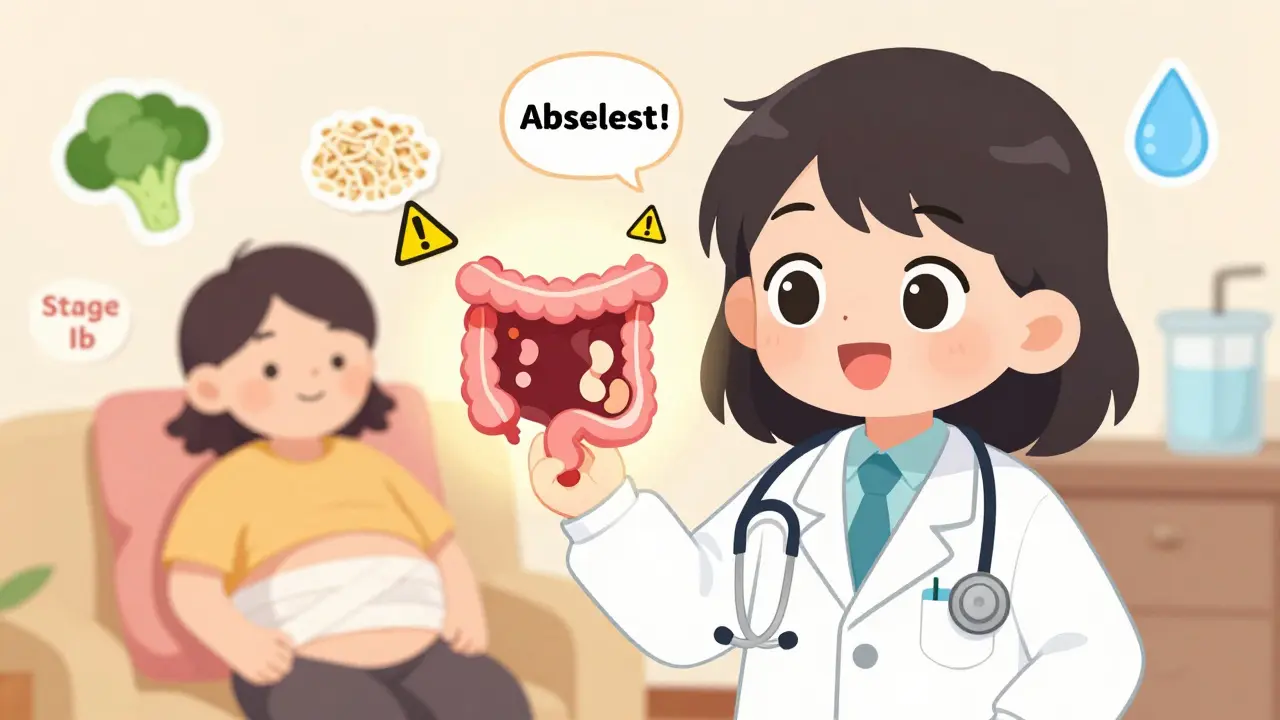
- Stage Ib: Small abscess under 3 cm
- Stage II: Larger abscess, 3-5 cm
- Stage III: Generalized infection in the belly (peritonitis)
- Stage IV: Perforation with feces leaking into the abdomen
Stages I and II can often be treated at home. Stages III and IV? That’s emergency surgery territory.
What’s the Best Treatment Today?
The biggest change in the last five years? Antibiotics aren’t always needed. Back in the 2000s, every case got antibiotics. Now, doctors know better.A major 2021 trial called DIVERT compared people with mild diverticulitis who took antibiotics to those who didn’t. The results? No difference in recovery time. Both groups got better in about 7 days. That’s why the American Gastroenterological Association now says: if your fever is mild, your blood work is only slightly off, and you’re not in terrible pain-you can skip the antibiotics.
Instead, treatment focuses on:
- Resting your bowel-start with clear liquids (water, broth, tea) for 2-3 days
- Gradually adding low-fiber foods like white rice, eggs, and cooked vegetables
- Pain relief with acetaminophen (Tylenol)-not ibuprofen or aspirin, which can increase the risk of a tear
- Drinking plenty of fluids to stay hydrated
If you do need antibiotics, common choices are amoxicillin-clavulanate (Augmentin) or metronidazole combined with ciprofloxacin. For moderate cases (Stage Ib-II), you’ll likely be admitted to the hospital and given IV antibiotics like piperacillin-tazobactam. That usually lasts 48-72 hours before switching to pills.
What About Surgery?
Surgery used to be common after two or three attacks. Now, guidelines have changed. If you’ve had two hospitalizations for diverticulitis, your doctor might start talking about removing the affected part of your colon-usually the sigmoid colon, where 95% of pouches form.Two main options:
- Laparoscopic lavage: Clean out the infection without removing any tissue. Works best for contained perforations and has an 82% success rate.
- Resection: Remove the damaged section of colon. More permanent, but requires a longer recovery.
For Stage IV (fecal peritonitis), surgery is always needed. Delaying it can be life-threatening.
Preventing Recurrence: What Actually Works?
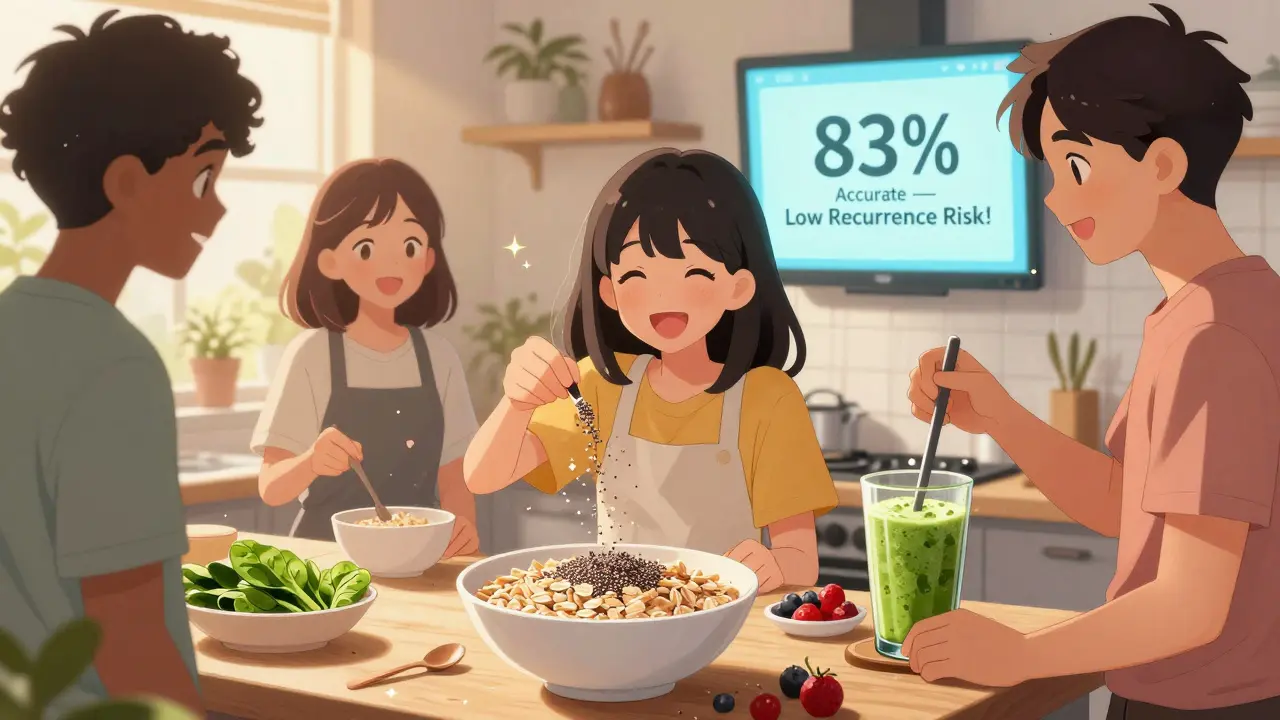
This is where most people struggle. One attack? Fine. Two? Now you’re in a cycle. The key isn’t just avoiding triggers-it’s rebuilding your gut health.Studies show that getting 30-35 grams of fiber daily cuts recurrence risk by nearly half. That means:
- Whole grains (oats, quinoa, brown rice)
- Legumes (lentils, chickpeas, black beans)
- Fruits like apples, pears, and berries
- Vegetables-especially broccoli, Brussels sprouts, and spinach
Some people find relief with probiotics, but the evidence is mixed. A newer option is mesalazine (Pentasa®), approved by the FDA in 2023 for maintenance therapy. In clinical trials, it reduced recurrence by 31% over a year compared to placebo.
And here’s something surprising: AI is now being used to predict who’s likely to have another attack. Mayo Clinic’s algorithm looks at your CT scan, age, blood markers, and BMI to estimate your personal risk-with 83% accuracy. That means doctors can now tailor prevention plans instead of guessing.
What Not to Do
There are still a lot of myths out there.- Don’t avoid nuts, seeds, or popcorn. They don’t cause blockages. The old advice was based on anecdotes, not science.
- Don’t take NSAIDs like ibuprofen or naproxen during an attack. They can weaken the colon wall and increase perforation risk.
- Don’t wait too long to see a doctor. If your pain gets worse, or you start vomiting or can’t pass gas, go to the ER. A delay of even 24 hours can turn a mild case into a life-threatening one.
Long-Term Outlook
Diverticulitis is manageable. Most people who have one episode recover fully and never have another. For those who do, lifestyle changes make a huge difference. A patient on a health forum shared: “After my second attack, I bumped my fiber to 35g a day. I haven’t had another flare-up in 27 months.”That’s not luck. It’s science.
Colonoscopy is recommended 6-8 weeks after an attack, especially if you’re over 50. Why? Because diverticulitis can sometimes hide colon cancer. Studies show about 1.3% of patients over 50 have cancer found during follow-up colonoscopies. That’s rare-but important to catch early.
The healthcare cost of diverticulitis is huge: $2.3 billion a year in the U.S. alone. But with smarter treatment, fewer hospitalizations, and better prevention, that number can drop. The future isn’t just about treating attacks-it’s about stopping them before they start.
Can diverticulitis go away without antibiotics?
Yes, for mild, uncomplicated cases. Recent studies, including the 2021 DIVERT trial, show that patients with low-grade symptoms-no high fever, no major blood abnormalities-can recover just as quickly with rest, fluids, and a clear liquid diet as those who take antibiotics. Antibiotics are now reserved for more severe cases or those with signs of infection like high white blood cell counts or fever above 38.5°C.
Is diverticulitis the same as diverticulosis?
No. Diverticulosis means you have pouches (diverticula) in your colon but they’re not inflamed or infected. It’s common and often symptom-free. Diverticulitis happens when one or more of those pouches become inflamed or infected, causing pain, fever, and sometimes complications. Think of diverticulosis as the setup, and diverticulitis as the flare-up.
Should I avoid nuts and seeds if I have diverticulitis?
No. This is an old myth. A major 18-year study tracking 47,000 women found no link between eating nuts, seeds, or popcorn and increased risk of diverticulitis. In fact, these foods are high in fiber and can help prevent future attacks. You can safely include them in your diet once you’re past an active flare-up.
How long does a diverticulitis attack last?
For mild cases treated at home, symptoms usually improve within 2-3 days and fully resolve in 7-10 days. Hospitalized patients with moderate to severe cases may need 48-72 hours of IV antibiotics before switching to oral meds, with full recovery taking 2-4 weeks. Complicated cases involving surgery can take 6-8 weeks to heal completely.
Can stress cause diverticulitis?
Stress doesn’t directly cause diverticulitis, but it can worsen gut function and contribute to constipation, which increases pressure in the colon. While it’s not a root cause, managing stress through sleep, exercise, and relaxation techniques can help reduce your overall risk of flare-ups.
Do I need a colonoscopy after having diverticulitis?
Yes, if you’re over 50 or if this was your first attack. A colonoscopy 6-8 weeks after recovery helps rule out colon cancer, which can sometimes look like diverticulitis on scans. Studies show about 1.3% of patients over 50 have cancer detected during this follow-up, so it’s a standard precaution.
Jonathan Ruth
February 16, 2026 AT 21:45And don’t even get me started on fiber. Eat more broccoli? Like that’s going to fix a system that’s been shredded by processed food, sugar, and glyphosate in the water supply. This isn’t medicine-it’s corporate wellness propaganda.
Haley DeWitt
February 18, 2026 AT 05:04John Haberstroh
February 19, 2026 AT 09:59And the AI predicting recurrence? That’s wild. Imagine your gut having a Tinder profile: "Looking for fiber-rich partner to avoid perforation. Must enjoy broccoli and hate NSAIDs."
Also, nuts. We were lied to. Popcorn is not the enemy. The enemy is fear. And bad science.
guy greenfeld
February 21, 2026 AT 07:17Adam Short
February 22, 2026 AT 20:49Steph Carr
February 24, 2026 AT 11:23And yet somehow, people still blame the patient. "Just eat more veggies." Like that’s a choice when your paycheck runs out on the 12th and the only thing left in the fridge is a half-dead lettuce and a 3-for-$10 box of chicken nuggets.
Also-AI predicting recurrence? That’s either genius or terrifying. Depends on whether your algorithm is run by a doctor or a hedge fund.
Brenda K. Wolfgram Moore
February 24, 2026 AT 20:54The key isn’t just what you eat-it’s what you stop doing. Sitting. Stressing. Taking ibuprofen like candy. This isn’t magic. It’s basic biology. And yes, fiber works. Not because it’s trendy. Because your colon needs it to move.
Agnes Miller
February 25, 2026 AT 20:44