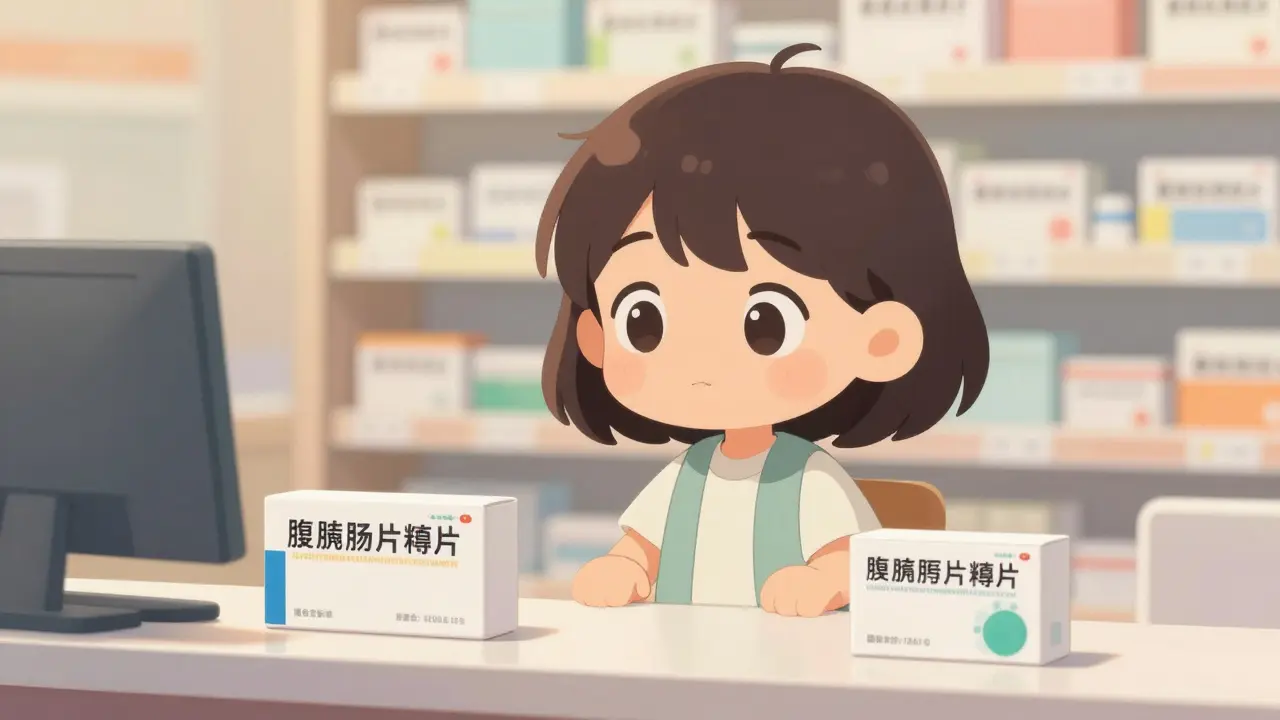
You've probably stood in the pharmacy aisle wondering why the generic version costs $5 while the brand-name box asks for $50. Does the cheaper pill actually work the same? This question sits at the heart of modern medicine. We rely on bioequivalence testing to bridge that gap without risking patient safety. In short, this testing proves that your body absorbs the generic medicine just as well as the original brand.
It isn't magic; it is rigorous science. When a company wants to make a generic version of an existing medication, they don't get away with simply copying the chemical formula. They must demonstrate through human studies that the generic performs identically in the bloodstream. If you switch from a brand to a generic, these tests are the guarantee that nothing vital changes.
The Core Definition of Bioequivalence
To understand how we trust these drugs, we need to define exactly what bioequivalence is. It is a scientific standard ensuring two different products deliver the active ingredient to your body at the same rate and in the same amount. This concept was legally codified in the United States through the Hatch-Waxman Act of 1984. This legislation created a pathway called the Abbreviated New Drug Application (ANDA).
Bioequivalence is defined by regulators as "the absence of a significant difference in the rate and extent to which the active ingredient becomes available at the site of drug action." This ensures that generic drugs perform the same as their brand-name counterparts within the human body.This definition matters because it shifts the burden of proof. Instead of re-running massive clinical trials involving thousands of sick patients-which would be unethical and cost millions-the manufacturer only has to prove the chemistry works the same in healthy volunteers. The reference listed drug (the original brand) sets the benchmark. Every generic must beat that benchmark to gain approval.
How the Testing Process Works
The process sounds complicated, but the logic is straightforward. Researchers recruit a small group of healthy volunteers, usually between 24 and 36 people. These participants act as living test tubes. In a crossover design study, every person takes both the generic and the brand-name drug at different times. Blood samples are drawn repeatedly to measure exactly how much drug enters the system.
We track two critical numbers during these blood draws:
- Area Under the Curve (AUC): This measures the total amount of drug absorbed over time.
- Maximum Plasma Concentration (Cmax): This measures the peak level of the drug reached in the blood.
| Parameter | What It Measures | Average Acceptance Range |
|---|---|---|
| Area Under the Curve (AUC) | Total exposure to the drug | 80% to 125% |
| Maximum Plasma Concentration (Cmax) | Speed of absorption | 80% to 125% |
Here is the catch that surprises many people: the numbers don't have to be identical. The FDA requires the generic to fall within 80% to 125% of the brand values. Think of it like a tolerance range. If the brand delivers 100 units, the generic can deliver anywhere from 80 to 125 units and still pass. This margin exists because biological systems vary naturally even among individuals taking the exact same pill twice. However, statistically, the average performance of the generic matches the brand closely enough to ensure safety and efficacy.

Differences Between Brand and Generic Approval
Why does a brand-name drug cost so much more if the testing looks similar? It comes down to the scope of development. When a brand-name company creates a new molecule, they must conduct Phase I through Phase III clinical trials. These studies involve tens of thousands of patients over years to prove the drug is safe and actually treats the disease.
In contrast, Generic Manufacturers leverage the data already collected by the brand. Since the active ingredient is known to be safe and effective, they skip the massive patient trials. Instead, they focus purely on matching the biopharmaceutical profile. This efficiency is why generic drugs account for approximately 90% of all prescriptions dispensed in the U.S., yet represent only a fraction of the spending. In 2020 alone, these savings totaled around $313 billion for the healthcare system.
This distinction is vital. It means you aren't paying for the discovery of the drug when you buy a generic; you are paying for the manufacturing and verification that your specific batch matches the original. This separation allows prices to drop significantly after the patent expires.
Narrow Therapeutic Index Drugs
Most drugs fit the standard 80-125% model perfectly. However, some medications are sensitive. These are known as Narrow Therapeutic Index (NTI) drugs. For these medicines, a small change in dosage can lead to toxicity or lack of effect. Examples include seizure medications like carbamazepine or blood thinners like warfarin.
Because of the tight margins, some experts argue for stricter testing for these specific drugs. Regulators acknowledge this risk. While standard bioequivalence rules apply broadly, specialized guidance exists for high-risk categories. The FDA and other agencies may require tighter confidence intervals (closer than 80-125%) for certain NTI drugs to ensure patient stability.
It is also worth noting that patient perception plays a role here. A 2022 survey found that while 87% of users saw no difference, about 4% felt generics worked less effectively. In some cases, this isn't about the active ingredient failing, but about inactive ingredients (like fillers or binders) affecting individual tolerances slightly differently. The active drug hits the target, but the body reacts to the delivery vehicle.

Limitations and Complex Products
The standard blood-test method works great for swallowed pills. But what about an inhaler or a skin cream? Measuring drug concentration in the blood for a topical product doesn't tell you how well it's treating the rash on your arm. This leads to different testing methods.
For complex generics like transdermal patches, inhalers, and ophthalmic solutions, bioequivalence often requires:
- Pharmacodynamic Studies: Measuring the actual physiological effect rather than just blood levels.
- Clinical Endpoint Studies: Observing symptom relief directly in patient populations.
- In Vitro Testing: Comparing how fast the device releases the drug in a lab setting.
These additional steps are necessary because the "site of action" isn't always the bloodstream. The FDA continues to update guidelines here, recently focusing on improving standards for these difficult-to-test products to ensure parity with brand versions.
Frequently Asked Questions
Can my doctor switch me from brand to generic?
Yes, doctors can prescribe either. In fact, insurance companies often automatically substitute the generic unless the doctor writes "dispense as written." Since bioequivalence guarantees similar performance, switching is medically safe for the vast majority of patients.
Do generic drugs contain different chemicals?
They contain the exact same active ingredient and strength. The inactive ingredients (colors, binders, fillers) might differ slightly, which can affect taste or look, but the active component must match the brand name.
Are there strict regulations for manufacturing?
Absolutely. Facilities undergo Good Manufacturing Practices (GMP) inspections annually. Roughly 1,200 domestic and foreign facilities are inspected yearly to ensure consistent quality, purity, and potency across every batch produced.
Why do some people say generics don't work as well?
While rare, this can happen due to placebo effects or sensitivity to different inactive fillers. Sometimes, the shape or size of a pill affects swallowing comfort, indirectly influencing how a patient perceives its effectiveness.
Is bioequivalence testing done worldwide?
Yes, through organizations like the International Council for Harmonisation (ICH). Standards like those used by the FDA and the European Medicines Agency (EMA) are largely aligned globally, ensuring consistency regardless of where the drug is manufactured.
Victor Ortiz
April 1, 2026 AT 11:32Bioequivalence is just marketing spin disguised as science.
Amber Armstrong
April 3, 2026 AT 05:06I remember when I was sick last year and had to switch meds.
The doctor told me it was exactly the same thing.
But then I noticed the color was different right away.
My mom always took the brand name version because she trusted it.
She felt like her body knew the difference immediately.
I tried to explain to her that the laws require testing now.
She listened but still shook her head at the pharmacy counter.
It is crazy how much psychology goes into taking a pill anyway.
We want to feel special even when saving money matters most.
Sometimes the placebo effect works harder than the actual drug ingredients.
I see this all the time at my local community center meetings.
People bring stories that sound scary but lack data backing them up.
Yet we cannot ignore their feelings completely either.
The science says yes but the heart says wait until you try.
Maybe both things can be true at the same time actually.
Jonathan Sanders
April 4, 2026 AT 16:28Of course you would think that while ignoring the massive clinical trials involved behind the scenes.
Your cynicism is adorable though honestly.
emma ruth rodriguez
April 6, 2026 AT 00:10The regulatory framework; is extremely robust!! And it ensures public safety...
However,; the 80 percent threshold might seem wide;
to laypeople who do not understand statistics!!
Rick Jackson
April 6, 2026 AT 13:32That is a fair point regarding statistical variance among populations.
We should respect the guidelines while acknowledging human nuance.
Safety is the priority for everyone here.
Beccy Smart
April 7, 2026 AT 16:51This information is super helpful 👍👍👍
Generic drugs save lives and money 🙌🏥💊
I hate when people doubt the system unnecessarily 😤
sanatan kaushik
April 8, 2026 AT 16:08Stop being so lazy in your thinking about medical regulation.
You need to trust the process more than your gut feeling.
Ignorance kills more people than bad pills do.
Debbie Fradin
April 10, 2026 AT 00:21There is hope for affordable healthcare solutions everywhere if we just believe.
Why would anyone pay fifty dollars for the exact same chemical formula?
Wake up and realize how much the industry charges us for nothing!
Jonathan Alexander
April 10, 2026 AT 06:33The financial implications remain deeply troubling despite these technical assurances.
One wonders what else is hidden in the regulatory approval documents.
Silence speaks volumes in these corporate boardrooms sometimes.
Charles Rogers
April 11, 2026 AT 16:26Most people here clearly lack basic knowledge of pharmaceutical manufacturing standards.
The industry does not allow substandard products to reach shelves easily.
You would do yourself a favor by trusting established experts instead of guessing.
Adryan Brown
April 13, 2026 AT 09:07While the criticism may feel harsh the core message about trust is valid.
Understanding the testing limits helps build confidence in generic options for patients.
It is important to maintain open dialogue rather than attacking individuals who ask questions.
We all want the best outcomes for our health regardless of price point differences.
The bridge between scientific data and public perception needs strengthening through education.
Christopher Curcio
April 14, 2026 AT 01:39Pharmacokinetic parameters such as AUC and Cmax define the therapeutic window effectively.
Bioavailability studies confirm systemic exposure matches the reference listed drug product.
Clinical endpoint studies are required for complex dosage forms like inhalers or patches.
Angel Ahumada
April 14, 2026 AT 03:17people complain about fillers but they dont realize the absorption rate depends on the matrix design which is harder to regulate than active ingredients alone
Rick Jackson
April 14, 2026 AT 21:24That insight adds significant depth to the ongoing discussion about excipients.
Many consumers overlook the role of inactive ingredients in drug delivery systems.
It is crucial to acknowledge those variables in future conversations here.