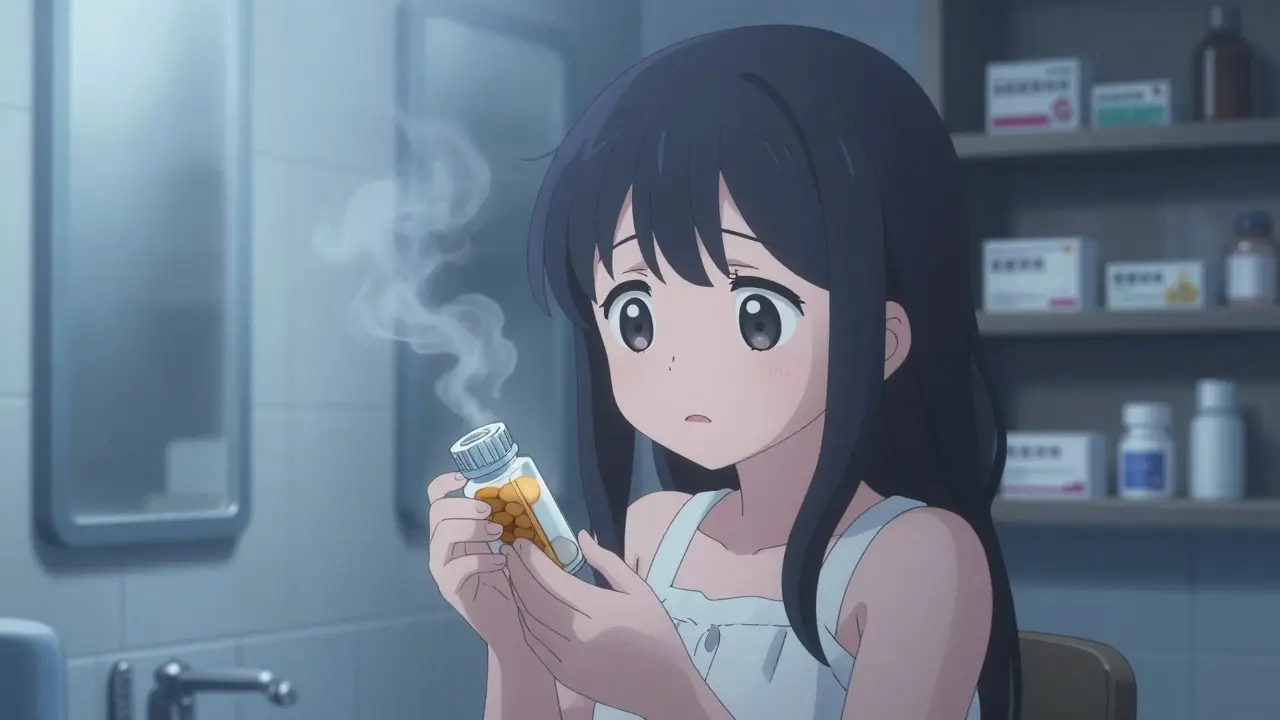
That box of leftover antibiotics in the back of your cabinet. The EpiPen that’s been sitting in your glovebox since 2023. You check the date, see it’s past due, and wonder: Is this still safe to take?
The short answer is complicated. For most solid pills like ibuprofen or acetaminophen, taking them a few months after the expiration date likely won’t hurt you-but they might not work as well either. For life-saving drugs like insulin or nitroglycerin, using an expired dose could be deadly. And for one specific antibiotic, it could cause permanent kidney damage.
We’re going to break down what those dates actually mean, which drugs are dangerous to keep, and how to get rid of them without harming the environment or risking accidental ingestion by kids or pets.
What Does the Expiration Date Actually Mean?
You need to understand that an expiration date isn’t a cliff edge where a pill turns into poison overnight. It’s a guarantee from the manufacturer.
FDA Expiration Dating Law is a regulation enacted in 1979 requiring pharmaceutical companies to test their products under strict conditions to determine how long they remain potent and pure. This law mandates that manufacturers conduct stability testing aligned with international standards. They store drugs in controlled environments-typically at 25°C (77°F) with 60% humidity-and monitor them over time.
The date on the bottle is the last day the company guarantees the drug will retain 100% of its labeled potency and purity. After that date, the manufacturer no longer takes responsibility for its performance. They don’t necessarily know if it degrades immediately; they just stop guaranteeing it.
Here’s the twist: Data from the FDA Shelf Life Extension Program (SLEP) is a military initiative that tested stockpiled drugs and found 90% remained stable and effective up to 15 years past their expiration dates when stored properly. However, this data is restricted to military use and doesn’t apply to civilian medicine. For you and me, the rule remains: once the date passes, there is no guarantee of safety or efficacy.
Which Expired Medications Are Dangerous?
Not all drugs degrade the same way. Some lose strength slowly, while others break down into harmful compounds. Here is how to categorize the risk.
| Medication Type | Risk Level | Primary Concern |
|---|---|---|
| Tetracycline Antibiotics | High / Toxic | Degrades into epianhydrotetracyclines, causing Fanconi syndrome (kidney failure). |
| Nitroglycerin | High / Ineffective | Loses 50% potency within 3 months of opening; may fail during heart attack. |
| Insulin & Biologics | Moderate / Unpredictable | Structural degradation leads to unpredictable blood sugar control. |
| Epinephrine (EpiPens) | Moderate / Reduced Potency | May lose 20-30% effectiveness; better than nothing in emergency, but seek care immediately. |
| Solid Pain Relievers (Ibuprofen) | Low | Retains ~90% potency for years post-expiration if stored dry and cool. |
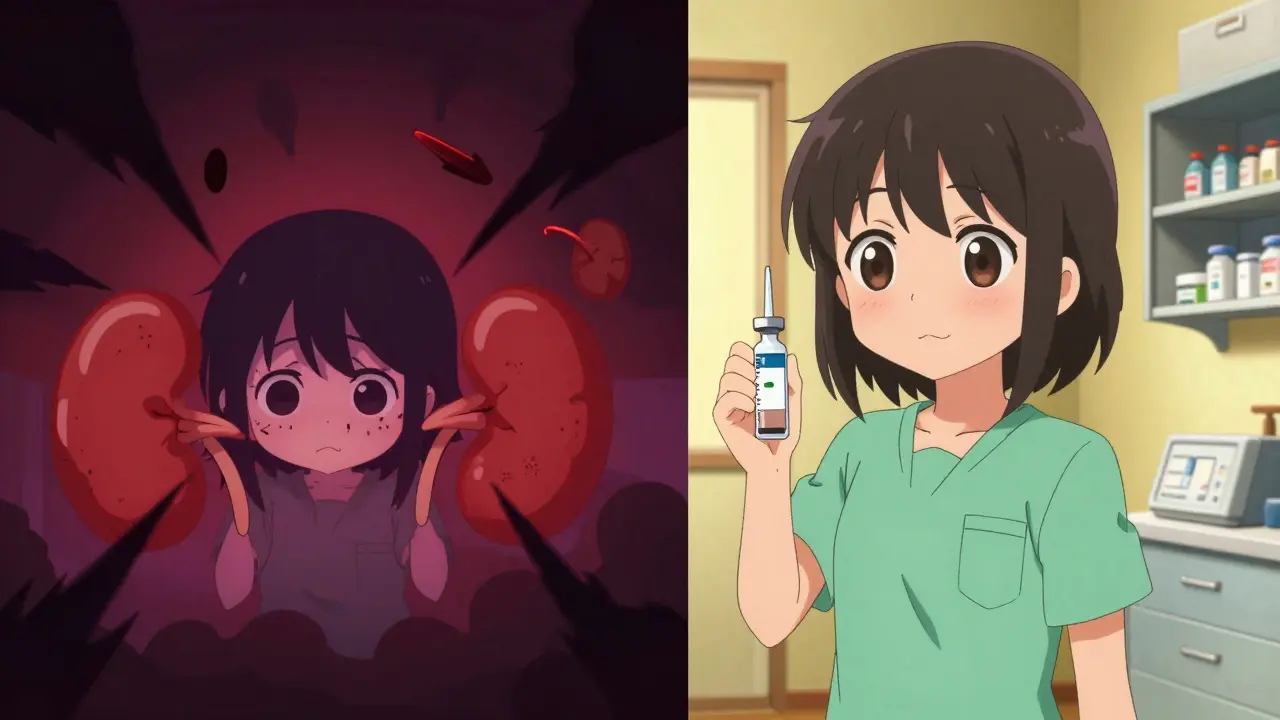
Tetracycline is the big outlier here. When this antibiotic expires, it breaks down into toxic byproducts. There are documented cases in medical journals of patients developing Fanconi syndrome-a condition where kidneys can't reabsorb nutrients-after taking expired tetracycline. If you have old tetracycline, do not take it. Throw it out.
For nitroglycerin, the issue isn’t toxicity; it’s ineffectiveness. This drug treats chest pain from angina. If you rely on it during a cardiac event and it has degraded, you could suffer a fatal heart attack because the medication didn’t dilate your blood vessels enough. Nitroglycerin tablets degrade rapidly once the bottle is opened, often losing half their power within three months regardless of the printed date.
Insulin and other biologics are proteins. They are fragile. Once opened, insulin loses about 10% of its potency every month, even in the fridge. Visually, if it looks cloudy or has particles floating in it, it has degraded. Using it can lead to dangerously high blood sugar levels because the dose isn’t accurate.
The Emergency Exception: Better Than Nothing?
Medical experts agree on one controversial point: in a true life-or-death emergency, an expired critical medication is better than none.
If you are having a severe allergic reaction and your only option is an expired Epinephrine Auto-Injector is a device delivering epinephrine to treat anaphylaxis, which may lose 20-30% potency six months after expiration, use it. Then call emergency services immediately. Swedish Health Services notes that while the drug may be less effective, the partial dose could still save your life while you wait for professional help.
However, this exception does not apply to minor issues. Do not use expired antibiotics for a lingering cough. Sub-potent antibiotics (like amoxicillin) may kill some bacteria but leave the strongest ones alive. This incomplete treatment contributes to Antibiotic Resistance is the ability of bacteria to survive exposure to antibiotics, often caused by incomplete or ineffective treatment courses. The CDC warns that this practice helps create superbugs that are harder to treat later.
How Storage Affects Drug Safety
Where you keep your medicine matters more than you think. The expiration date assumes ideal storage conditions. Most people store meds in bathroom cabinets, which is the worst possible place.
Bathrooms experience constant fluctuations in temperature and humidity. Every time you shower, steam fills the room. Heat and moisture accelerate chemical breakdown. Studies show medications stored in bathrooms degrade 40% faster than those kept in cool, dry bedrooms.
To maximize shelf life:
- Keep medicines in their original containers with childproof caps tight.
- Store them in a cool, dark place below 77°F (25°C). A bedroom closet is ideal.
- Avoid cars. Temperatures inside vehicles can exceed 104°F (40°C) in summer, destroying liquid antibiotics within days.
- Amber glass bottles offer better protection against light degradation than clear plastic prescription vials.
How to Dispose of Expired Medications Safely
Flushing drugs down the toilet is generally bad for the environment, but for a small list of highly addictive or dangerous opioids, it is recommended. The EPA and FDA provide specific guidance on disposal.
Step 1: Check for Take-Back Programs The safest method is to use a drug take-back location. The DEA runs National Take Back Days, and many pharmacies and police stations have permanent drop boxes. As of late 2023, there were over 14,000 authorized collection sites in the U.S. Check with your local pharmacy or visit the DEA website to find the nearest site.
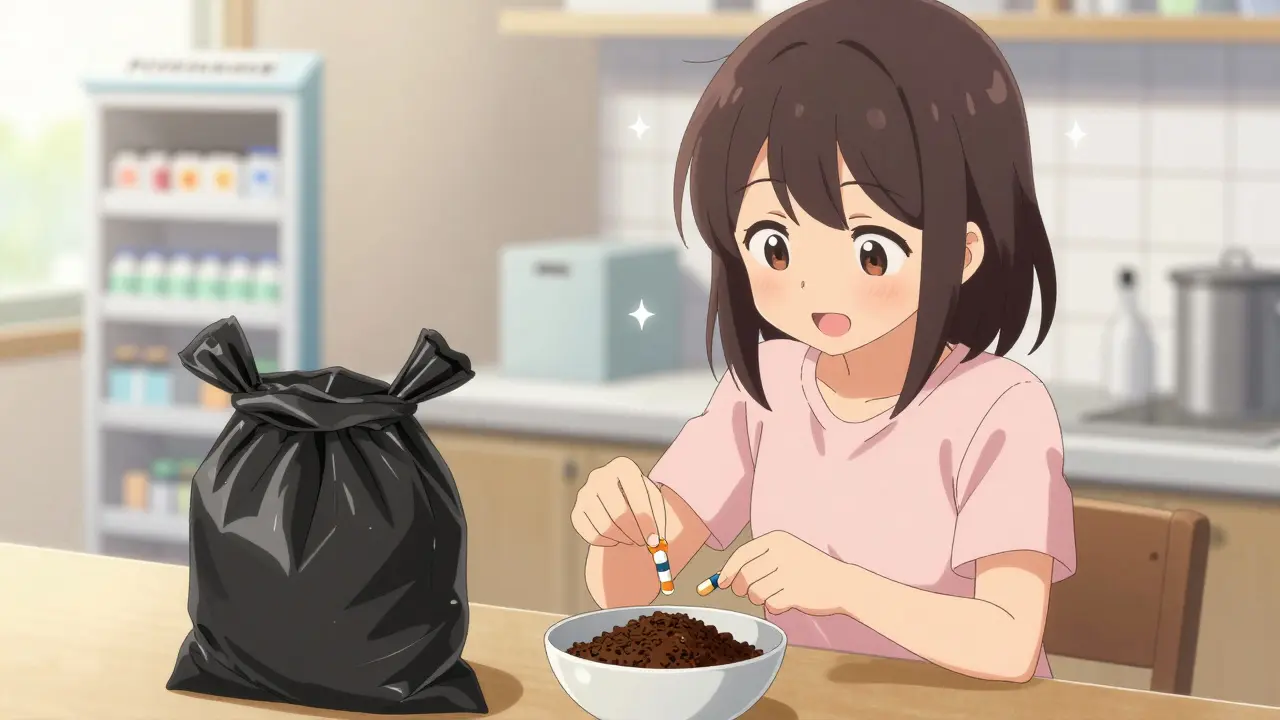
Step 2: Home Disposal (If No Take-Back Available) If you can’t access a take-back program, follow these steps to make the drugs unappealing and inaccessible to children or pets:
- Remove medications from their original containers.
- Mix them with an undesirable substance like used coffee grounds, cat litter, or dirt. A 2:1 ratio of filler to drug works well.
- Place the mixture in a sealed plastic bag or container.
- Throw the container in your household trash.
- Scratch out all personal information on the empty prescription labels before recycling or trashing the bottles.
Step 3: The Flush List Only flush medications if they appear on the FDA’s official Flush List. These include high-risk opioids like oxycodone, fentanyl patches, and certain HIV medications. The risk of accidental overdose from these drugs outweighs the environmental impact of flushing them.
When to Replace vs. When to Keep
Let’s simplify this into actionable rules.
Replace Immediately:
- Any medication for a serious chronic condition (heart disease, diabetes, seizures, thyroid disorders).
- Liquid formulations, eye drops, and inhalers.
- Antibiotics.
- Any drug that looks different than usual (discolored, cracked, strange smell).
Acceptable for Minor Issues (Short Term):
- Solid oral pain relievers (acetaminophen, ibuprofen) expired by a few months.
- Allergy pills (loratadine, cetirizine) if symptoms are mild.
If you are unsure, ask a pharmacist. They can tell you if a specific drug is known for stability or rapid degradation. Don’t guess with your health.
Can I take expired ibuprofen?
Generally, yes, if it is a solid tablet or capsule and was stored in a cool, dry place. Ibuprofen retains about 90% of its potency for several years after expiration. However, it may be slightly less effective. Do not take it if the pills look discolored or crumbly.
Why is expired tetracycline dangerous?
Expired tetracycline breaks down into toxic compounds called epianhydrotetracyclines. These byproducts can cause Fanconi syndrome, a rare kidney disorder that prevents the kidneys from reabsorbing essential nutrients. This can lead to acute kidney failure. Never consume expired tetracycline.
Should I flush my expired medications?
Only if they are on the FDA's Flush List, which includes high-risk opioids like fentanyl and oxycodone. For most other medications, mixing them with coffee grounds or cat litter and throwing them in the trash is safer for the environment. Always remove personal info from the bottles first.
Is it safe to use an expired EpiPen?
In a life-threatening allergic reaction (anaphylaxis), yes. An expired EpiPen may have lost some potency, but it is better than receiving no treatment. Use it immediately and call emergency services. For non-emergencies, replace it right away.
Does storing medicine in the bathroom affect its expiration?
Yes. Bathrooms have high humidity and temperature fluctuations from showers. This environment causes medications to degrade up to 40% faster than in a cool, dry bedroom closet. Avoid storing any medication in the bathroom.
What happens if I take expired antibiotics?
You risk treatment failure. Expired antibiotics may not be strong enough to kill all the bacteria, allowing the infection to persist or worsen. This incomplete treatment also promotes antibiotic resistance, making future infections harder to cure. Always use fresh antibiotics prescribed by a doctor.